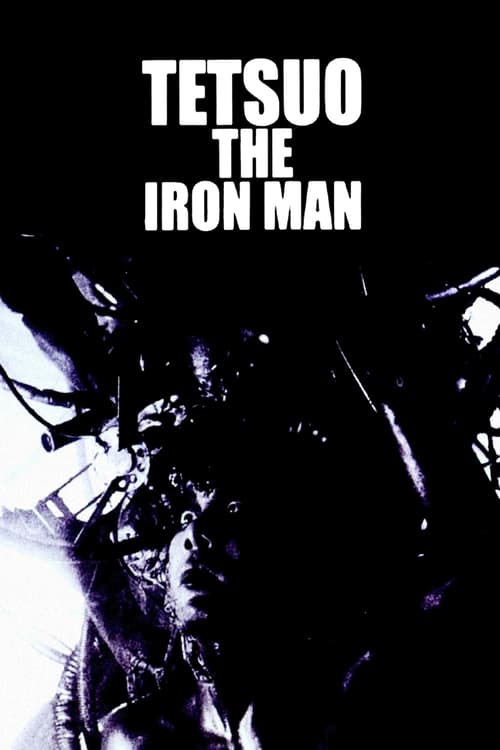
Tetsuo: The Iron Man
1989
No user ratings available yet
Representation score: 7.8 out of 10
Representation Score
Good
1986
Director
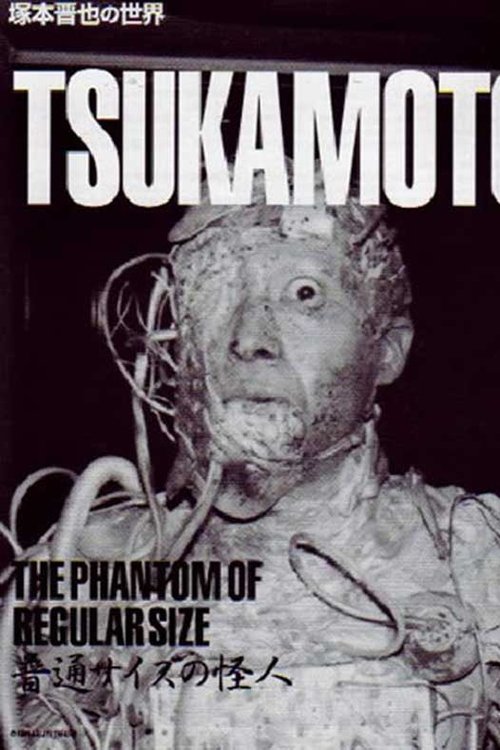
Shinya Tsukamoto
Runtime
18 minutes
Average Rating
No ratings yetNew Showbiz Analysis
Shinya Tsukamoto’s experimental short sets a precedent for his cyberpunk work, focusing on the interplay between biology and technology. Although the film doesn’t explicitly represent diverse demographics, it disrupts Western narrative and moral frameworks. The film excels in its cultural and philosophical subversion, offering a non-Western approach to horror. However, it primarily uses subtext and physical metamorphosis to explore themes of identity and difference, rather than direct character-driven diversity.
Category Breakdown
While the film doesn't show explicit LGBTQ+ identities or same-sex intimacy, it uses the theme of bodily metamorphosis to hint at non-traditional identities.
The film challenges traditional gender roles by emphasizing psychological and physical changes over societal norms. This shifts the focus away from fixed gender identities.
As a Japanese production, the film presents a non-Western perspective on sci-fi clichés, which contrasts with the typical Western narratives.
The film focuses on industrial nihilism and rejects traditional moral clarity, favoring an anti-establishment aesthetic over spiritual themes.
The film centers on themes of bodily alteration and physical 'otherness,' giving altered entities a significant role in the story.
Present on Screen
Limited or Absent
Official Synopsis
A short film where Shinya Tsukamoto experimented with effects and ideas, which eventually resulted in the feature film Tetsuo: The Iron Man.
1989
1992
1989
1986

1996

1987

1996
1986
No reviews yet. Be the first to share your thoughts on this movie!
Use the rating form above to leave a star rating and optional review.