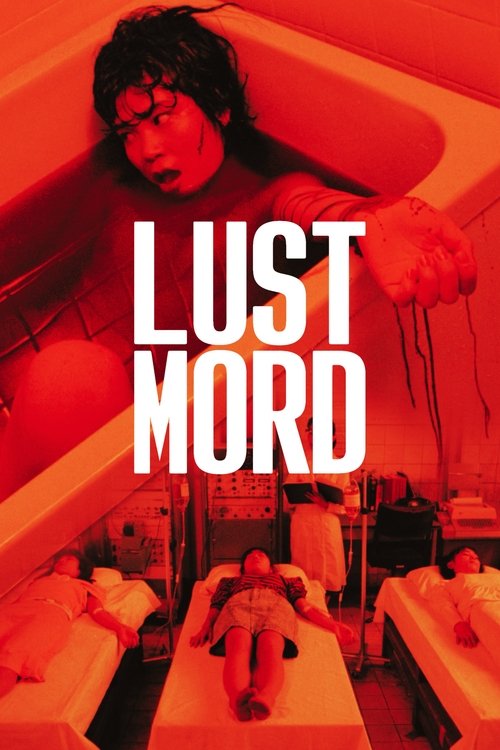
Lustmord
1987
No user ratings available yet
Representation score: 3.9 out of 10

Representation Score
Good
1996
UnratedDirector
Hisayasu Satō
Runtime
76 minutes
Average Rating
No ratings yetNew Showbiz Analysis
Splatter: Naked Blood is a transgressive work that finds its power in psychological and bodily disruption rather than demographic breadth. It stands out most notably in its subversion of gendered power dynamics, replacing traditional female passivity with intense, autonomous ability to act. However, the film remains narrow in its scope. It lacks racial and LGBTQ+ diversity, focusing instead on a highly localized Japanese context and individualized psychological obsessions. While it challenges social norms, it does so through a very specific, niche lens. Ultimately, the film is a study of radical liberation from conventional morality. It trades broad representation for a deep, albeit extreme, exploration of bodily autonomy and the breakdown of the social contract.
Category Breakdown
The film does not explicitly include LGBTQ+ identities or non-cisgender gender expressions. It explores intense, fetishistic impulses but does not critique the assumption that everyone is straight or cisgender.
Women in the film are not passive objects of the male gaze. Instead, the female protagonists actively drive the plot with violent and psychological impulses, challenging traditional submissive femininity.
The story is set in a highly localized, homogeneous Japanese context. There is no evidence of racial blending or the inclusion of diverse ethnic groups.
The film embraces moral relativism by breaking down traditional social sanctity. It prioritizes individual sensory experience and bodily autonomy over established legal or ethical structures.
Body alterations in the film are driven by chemical intervention rather than lived experience. The film uses physical sensation changes as a plot device rather than representing neurodivergence or chronic illness.
Present on Screen
Limited or Absent
Official Synopsis
A scientist taints his mother's scientific experiment with his own drug that transforms pain into a pleasurable experience. Unfortunately for the three women involved in the experiment, the drug works a little bit too well.
1987
1960

1986

1989

1996

1992

1987

1977
No reviews yet. Be the first to share your thoughts on this movie!
Use the rating form above to leave a star rating and optional review.