Biotherapy
1986
No user ratings available yet
Representation score: 3.0 out of 10
Representation Score
Good
1989
Director
Izo Hashimoto
Runtime
58 minutes
Average Rating
No ratings yetNew Showbiz Analysis
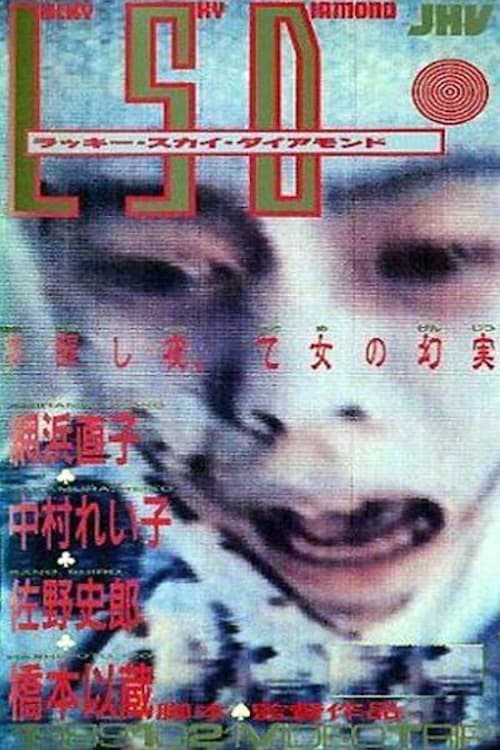
Lucky Sky Diamond explores the tension between institutional medical authority and individual ability to act. The film uses a psychological horror framework to critique how systems categorize and control mental health through invasive procedures. While the film lacks LGBTQ+ and multi-ethnic diversity, it succeeds in presenting complex female characters who disrupt established hierarchies. The narrative prioritizes psychological depth and the questioning of systemic truths over traditional, stable formulas. Ultimately, the film's strength lies in its subversion of medical certainty, though it remains limited by the era's cultural homogeneity.
Category Breakdown
The film focuses on a heterosexual relationship between Yoko and Katayama. There are no queer identities or stories about people whose gender doesn't match their assigned-at-birth gender.
Female characters like Sakurako play a significant role by challenging the male-dominated medical world. The story explores how women face vulnerabilities within these institutional structures.
The production features a culturally homogeneous Japanese cast typical of 1989 domestic cinema. It operates within its specific cultural context without using external racial stereotypes.
The story questions the reliability of institutions by portraying medical science as a source of doubt. It favors a secular, postmodern perspective on psychological issues.
The plot centers on Yoko's mental health disorder and her neurodivergent traits. Her skepticism about surgery gives her ability to act despite her medical condition.
Present on Screen
Limited or Absent
Official Synopsis
At the clinic where her boyfriend Katayama, a young genius doctor, is the director, Yoko, a young girl who continues to suffer from eerie nightmares every day, is not getting better despite the care of her sister Sakurako and Katayama's treatment. Sakurako, the sister, is suspicious of Yoko's condition and confronts Katayama, who tells her that she suffers from a serious mental disorder and that the only way to cure it is to have brain surgery. Yoko, despite being persuaded by her sister and Katayama, agrees to the surgery, although she is skeptical...
1986
1989
1986

1996

1986

2000
1987
1968
No reviews yet. Be the first to share your thoughts on this movie!
Use the rating form above to leave a star rating and optional review.