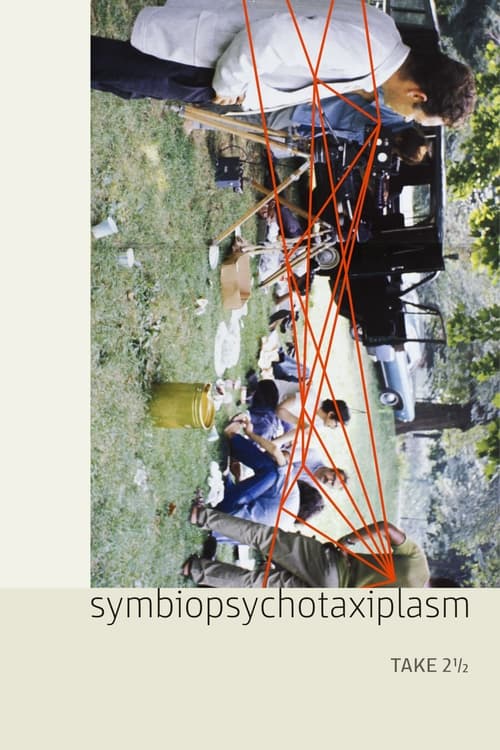
Symbiopsychotaxiplasm: Take 2½
2005
No user ratings available yet
Representation score: 6.3 out of 10
Representation Score
Fair
1968
Not RatedDirector
William Greaves
Runtime
75 minutes
Average Rating
No ratings yetNew Showbiz Analysis
William Greaves' masterpiece is a radical deconstruction of cinematic conventions. It places Black professionals in positions of technical and creative authority, challenging historical exclusion. The film's meta-cinematic structure uses identity to interrogate filmmaking processes. While it touches on sexual orientation and gendered power, these elements often serve the broader narrative of questioning identity and truth. Ultimately, the work turns the camera on the act of creation itself, challenging the stability of truth and identity.
Category Breakdown
A scene features a female performer challenging the director's sexual orientation, disrupting the director's persona but not exploring LGBTQ+ identity further.
Avoids the submissive femininity cliché of the 1960s by focusing on intellectual and technical processes. Gender dynamics are overshadowed by the broader narrative of the crew and actors.
This work stands out for its racial ability to act, featuring a Black director and an all-Black cast, which counters historical exclusion of Black professionals in key roles.
Prioritizes postmodern perspectives and deconstructs truth over singular moral frameworks. Critiques objective viewpoints through a sophisticated, non-traditional storytelling approach.
No significant depiction of disabilities functions as central narrative drivers in this work.
Present on Screen
Limited or Absent
Official Synopsis
In Manhattan's Central Park, a film crew directed by William Greaves is shooting a screen test with various pairs of actors. It's a confrontation between a couple: he demands to know what's wrong, she challenges his sexual orientation. Cameras shoot the exchange, and another camera records Greaves and his crew. Sometimes we watch the crew discussing this scene, its language, and the process of making a movie. Is there such a thing as natural language? Are all things related to sex? The camera records distractions - a woman rides horseback past them; a garrulous homeless vet who sleeps in the park chats them up. What's the nature of making a movie?
2005
1961
1982
1929
![Movie poster for Streetscapes [Dialogue]](https://image.tmdb.org/t/p/w500/lbaDCCZJ6xwvNLO5qFDBmjnjaOH.jpg)
2017
2013
1971
2013
No reviews yet. Be the first to share your thoughts on this movie!
Use the rating form above to leave a star rating and optional review.