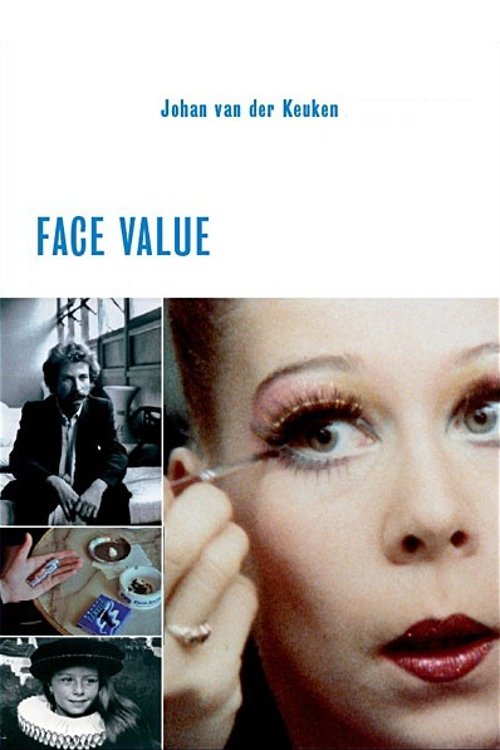
Face Value
1991
No user ratings available yet
Representation score: 5.9 out of 10
Representation Score
Fair
1981
Director
Johan van der Keuken
Runtime
143 minutes
Average Rating
No ratings yetNew Showbiz Analysis
The film serves as a socio-political travelogue that moves from the civil unrest in Amsterdam through Italy to Egypt. Its primary strength lies in its refusal to maintain a stable, Western perspective, instead adopting a fragmented, observational approach. By documenting squatting actions and coronation riots, the film highlights the tension between grassroots movements and established institutions. The geographical shift towards North Africa ensures the film engages with diverse cultural landscapes, avoiding a homogeneous European viewpoint. However, the film's observational style means it lacks specific focus on individual identity politics. While it deconstructs power structures, it does not explicitly address gender hierarchies or LGBTQ+ narratives.
Category Breakdown
The film does not focus on queer-centric narratives or non-cisgender identities. Although the Amsterdam setting suggests a progressive environment, there are no specific representations of LGBTQ individuals.
The documentary focuses on societal issues through personal stories rather than challenging gender hierarchies. It avoids highlighting institutional leaders and instead centers on the everyday lives of ordinary people.
The journey from Europe to Egypt breaks away from a Eurocentric perspective. By emphasizing North African landscapes, the film offers significant visibility to non-Western viewpoints.
The film challenges Western institutional narratives by documenting social unrest and global movements. It prioritizes interconnectedness over Western isolationism through its focus on Egypt.
There is no indication of the depiction of physical or neurodivergent disabilities in the film.
Present on Screen
Limited or Absent
Official Synopsis
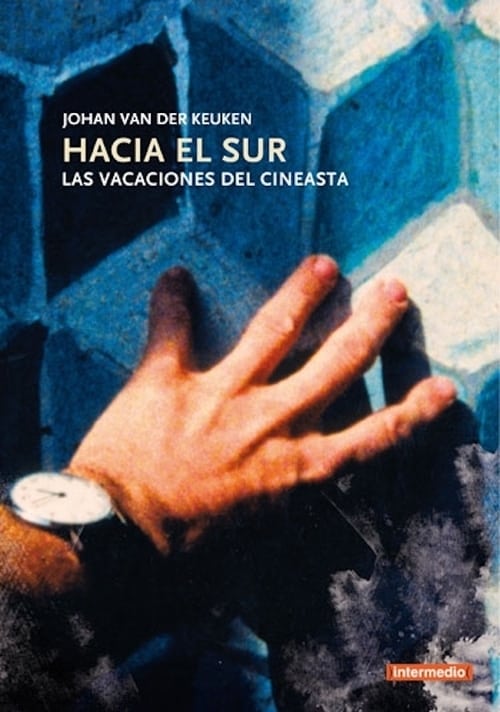
Johan van der Keuken went against the grain in 1980: from Amsterdam (on April 30 with the coronation riots and squatting actions) via Paris, southern France and Italy to Egypt. He made his personal travelogue in three parts for VPRO television. Later, he fused the three parts into one long movie.
1991
1983
1996
1981
1991
1967
1994
1981
No reviews yet. Be the first to share your thoughts on this movie!
Use the rating form above to leave a star rating and optional review.