
Les Miserables
1995
No user ratings available yet
Diversity score: 4.9 out of 10
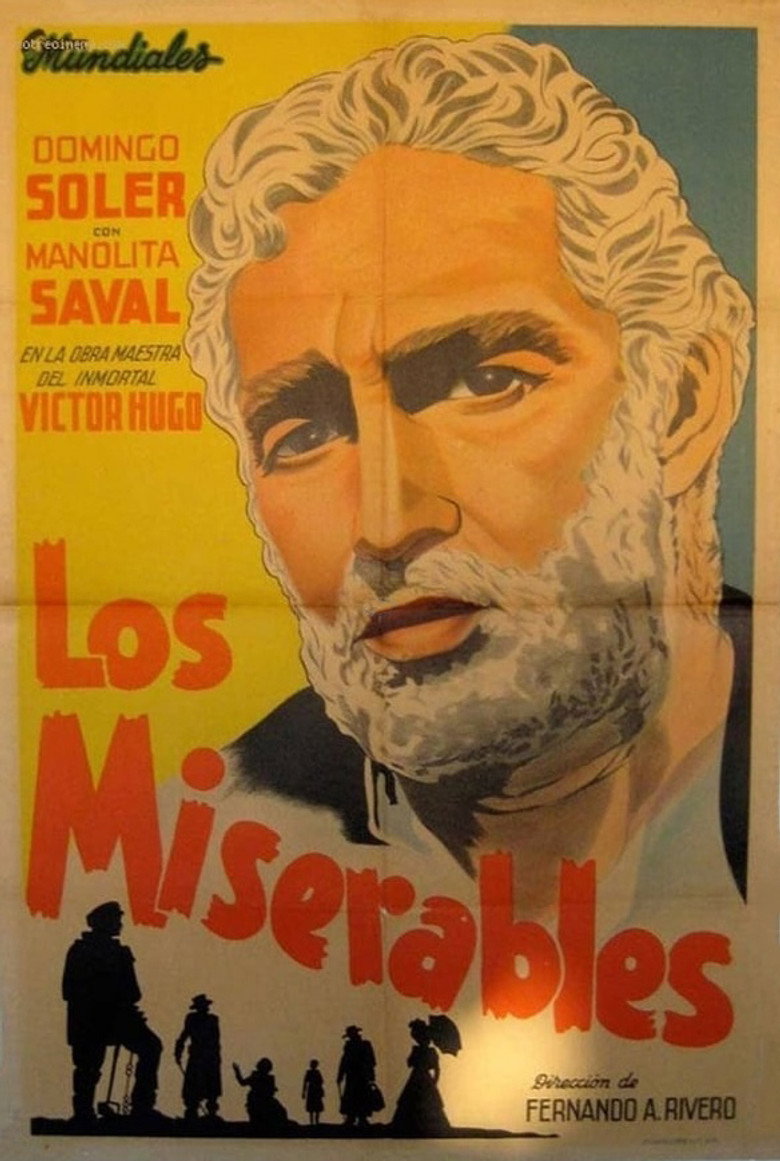
1943
Director
Fernando A. Rivero
Runtime
103 minutes
Average Rating
No ratings yetSynopsis
An ex-convict struggling to start anew faces relentless pursuit by a remorseless cop while protecting an orphan amid the 1832 Paris student uprisings.
Overall Score
Fair
Category Breakdown
LGBTQ+ Representation
The film lacks explicit LGBTQ+ characters or non-heteronormative narratives. It appears to follow the traditional romantic and social structures of its era.
Gender Representation
Female leads like Manolita Saval provide female perspectives within the Parisian uprisings. However, the film does not explicitly subvert gender hierarchies or showcase female intellect over male counterparts.
Racial & Ethnic Diversity
A Mexican ensemble portrays characters in a European setting, creating a culturally transposed casting. The focus remains primarily on class struggle rather than explicit racial diversity.
Religious & Cultural Diversity
The film excels by critiquing systemic injustice and oppressive legal institutions. It uses the 1832 uprisings to challenge established power dynamics and traditional authority.
Disability Representation
There is no evidence that neurodivergence or physical disabilities are central to the character arcs. Such elements are not portrayed with significant agency.
Strengths
Areas for Improvement
AI Analysis
Los miserables (1943) serves as a vehicle for systemic critique rather than a modern exploration of identity politics. Its primary strength is its cultural engagement, using the framework of social upheaval to challenge the morality of state institutions and class structures. The film complicates the traditional Western historical epic by transposing a French narrative through a Mexican cinematic lens. This casting choice provides a unique cultural layer to the story. While the film lacks explicit intersectional markers like LGBTQ+ or neurodivergent representation, its narrative architecture is built upon the deconstruction of traditional authority and the plight of the marginalized.
1995

1958

1974
1962

2002

1972
1943
1946
1952

1974
1934

1964
No reviews yet. Be the first to share your thoughts on this movie!
Use the rating form above to leave a star rating and optional review.