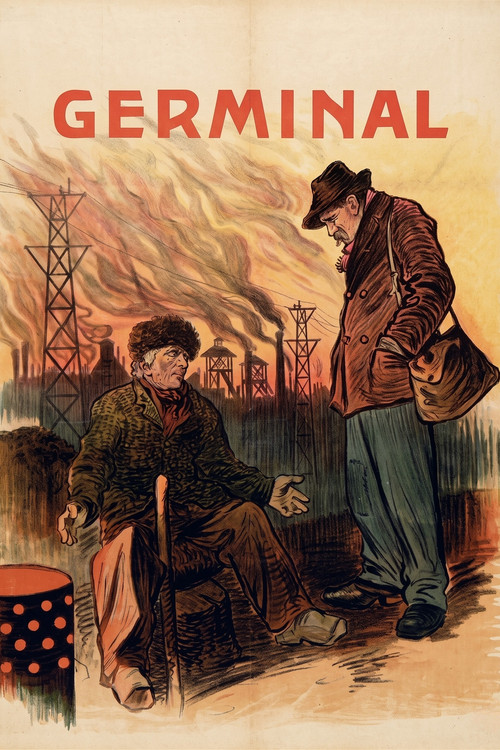
Germinal
1913
No user ratings available yet
Representation score: 4.6 out of 10
Representation Score
Fair
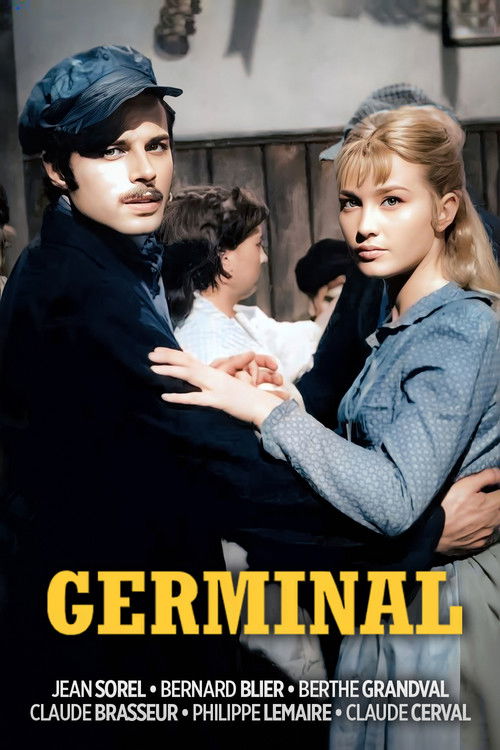
1963
Director
Yves Allégret
Runtime
110 minutes
Average Rating
No ratings yetNew Showbiz Analysis
Germinal is a naturalist study of class struggle that emphasizes systemic critique over contemporary multi-layered markers. It successfully critiques capitalist structures by portraying the proletariat as a collective force against oppression. The film's historical realism confines its scope regarding race and LGBTQ+ representation, keeping it firmly rooted in the social constraints of the 19th-century French working class. Ultimately, the film's strength lies in its socio-economic depth, portraying the struggle for survival as a fundamental challenge to the established Western order.
Category Breakdown
The film does not include any representation of LGBTQ+ identities or non-assuming gender matches what was assigned at birth narratives.
Women play important roles within the domestic and community spheres during the strike, though they do not drive the political plot like the men do.
The film casts actors reflecting the specific historical context of the 1860s French mining class, which remains homogeneous and lacks racial diversity.
The film provides a critical look at the tension between religious beliefs and the material necessities of survival in the face of industrial capitalism.
It shows the physical toll and degradation caused by industrial labor but does not feature stories driven by characters with recognized disabilities.
Present on Screen
Limited or Absent
Official Synopsis
Dismissed from the railroads in 1863 for his union activities, Etienne Lantier found a job at the Voreux coal mine. But work was hard, wages were low and safety left much to be desired. Lantier tried to organize the miners into a union. When mine manager Hennebeau refused to negotiate, the workers launched a general strike, which ended with the intervention of the troops.
1913
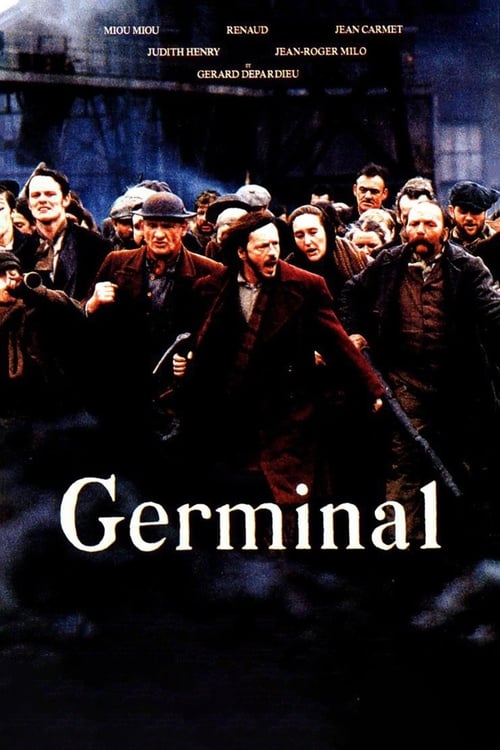
1993
1972
1971

1973

1963

1972
1954
No reviews yet. Be the first to share your thoughts on this movie!
Use the rating form above to leave a star rating and optional review.