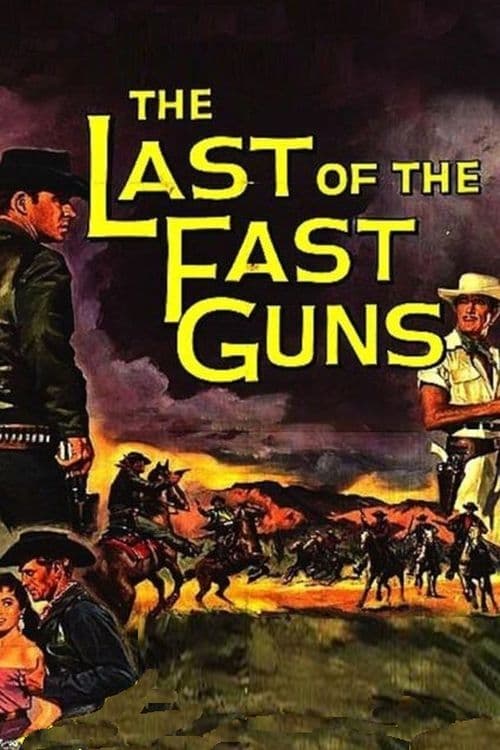
The Last of the Fast Guns
1958
No user ratings available yet
Diversity score: 1.4 out of 10
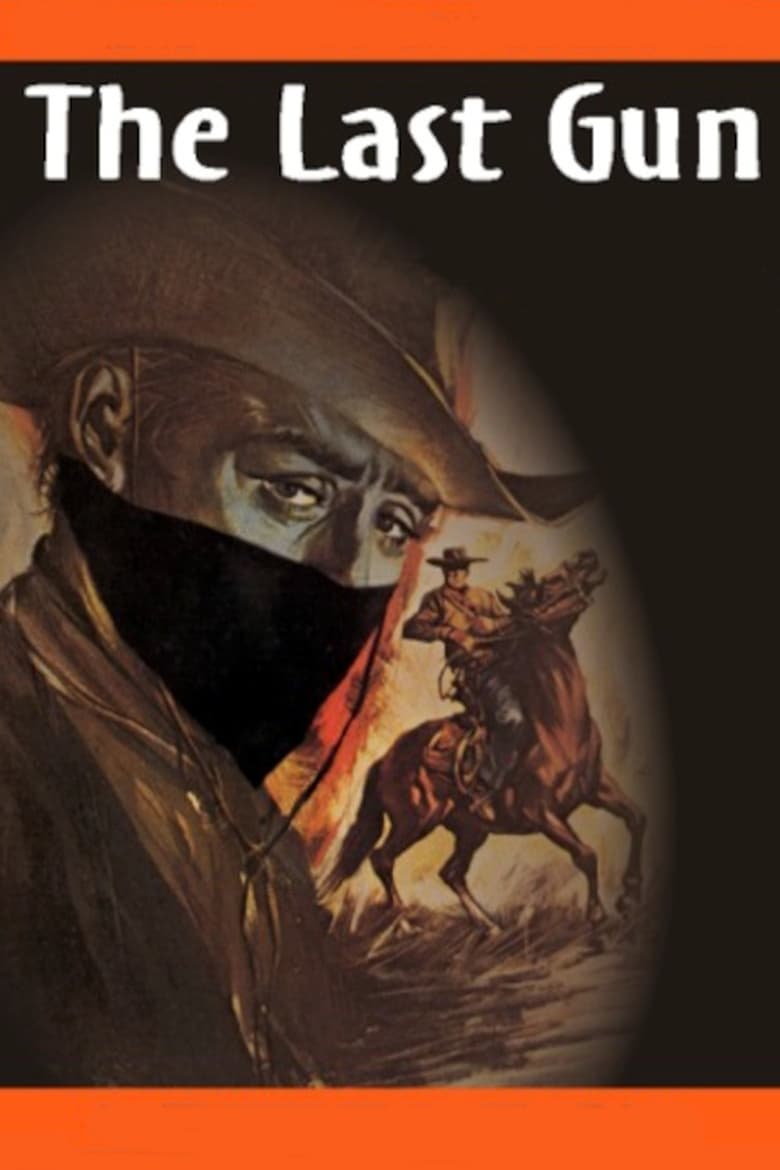
1964
Director
Sergio Bergonzelli
Runtime
98 minutes
Average Rating
No ratings yetSynopsis
A famous gunfighter gives up his evil ways, and settles in a quiet town. But, the town is being terrorized by a gang, drawing our hero back to gunslinging, but this time in the name of good.
Overall Score
Minimal
Category Breakdown
LGBTQ+ Representation
The film offers no evidence of LGBTQ+ characters or non-cisnormative identities. It operates strictly within the traditional social frameworks of the 1960s Western genre.
Gender Representation
Female characters lack agency and are positioned primarily as subjects of systemic threat. They serve as objects of peril rather than autonomous participants in the plot.
Racial & Ethnic Diversity
The narrative lacks specific evidence of diverse ethnic identities despite its Arizona setting. It appears to lean toward the homogeneous casting typical of the era.
Religious & Cultural Diversity
The story follows a conventional morality arc of a hero fighting a criminal gang. It reinforces traditional Western notions of justice and individual heroism.
Disability Representation
There is no discernible mention of characters with visible or invisible disabilities within the narrative.
Strengths
Areas for Improvement
AI Analysis
The Last Gun functions as a traditional genre piece that adheres to mid-century cinematic hierarchies. Rather than challenging social structures, the film reinforces them through its depiction of women as passive recipients of violence. The narrative lacks agency-driven character arcs and diverse identity frameworks. While the film utilizes a dark, unsettling lens, this stylistic choice serves to heighten tension rather than provide progressive representation. Ultimately, the film remains a standard Western that fails to integrate intersectional perspectives or deconstruct the systemic power imbalances inherent in its setting.
1958
1963
1952
1976
1964
1955
1967
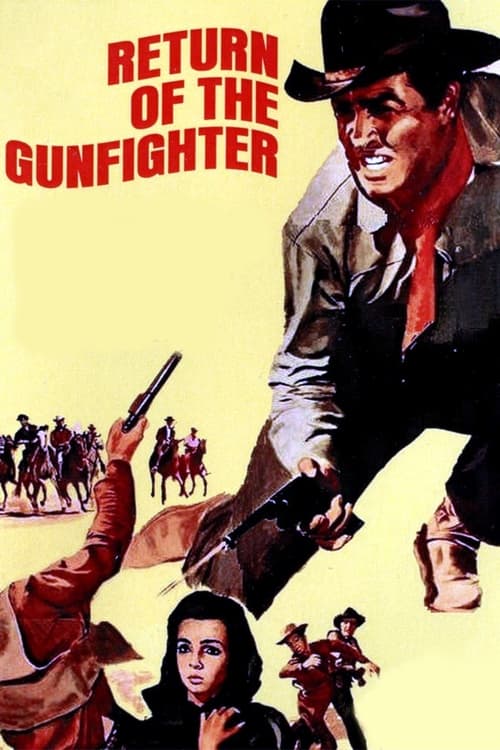
1967
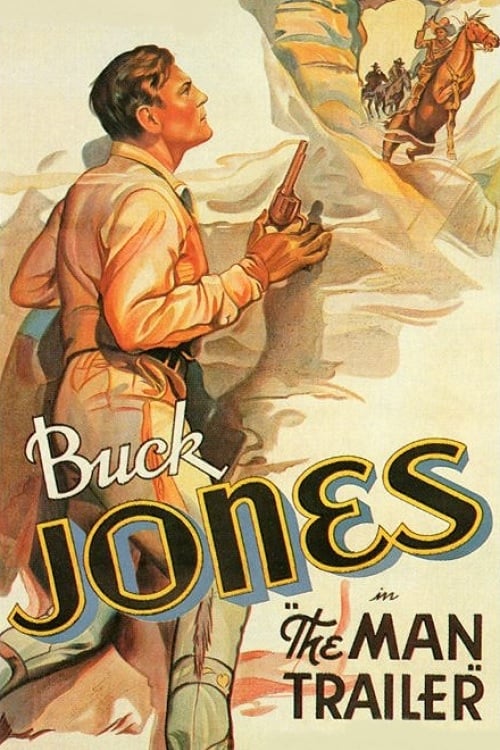
1934
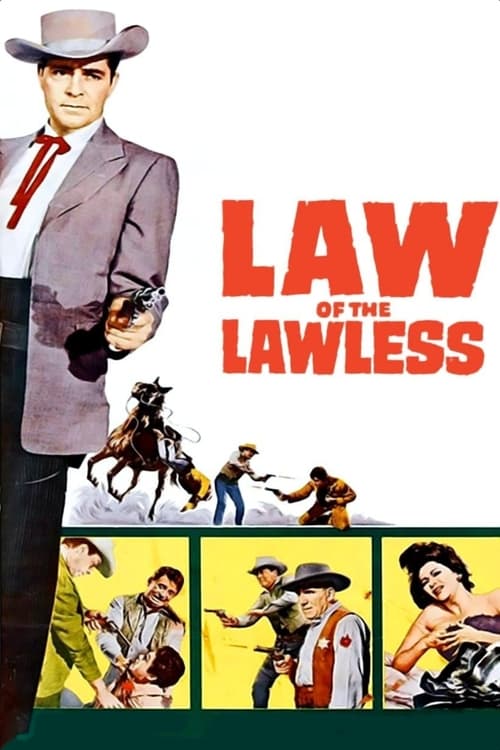
1964
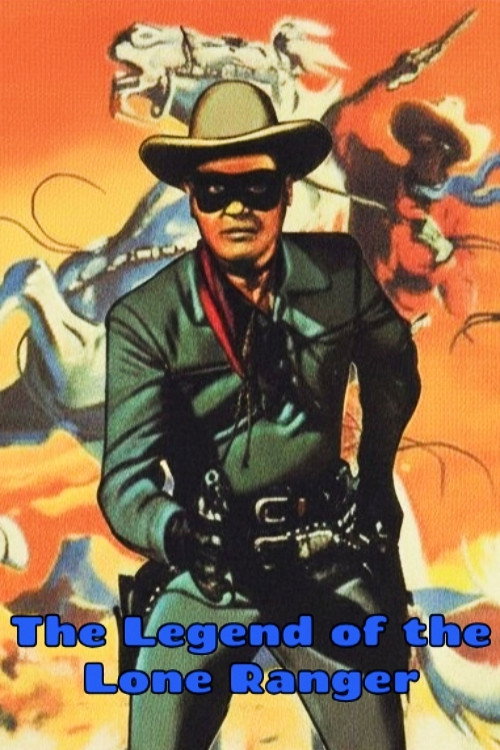
1952
1957
No reviews yet. Be the first to share your thoughts on this movie!
Use the rating form above to leave a star rating and optional review.