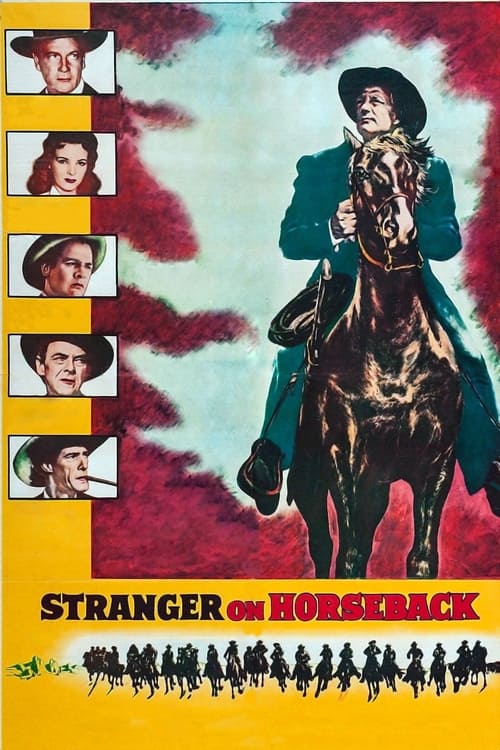
Stranger on Horseback
1955
No user ratings available yet
Representation score: 0.6 out of 10
Representation Score
Minimal
1964
NRDirector
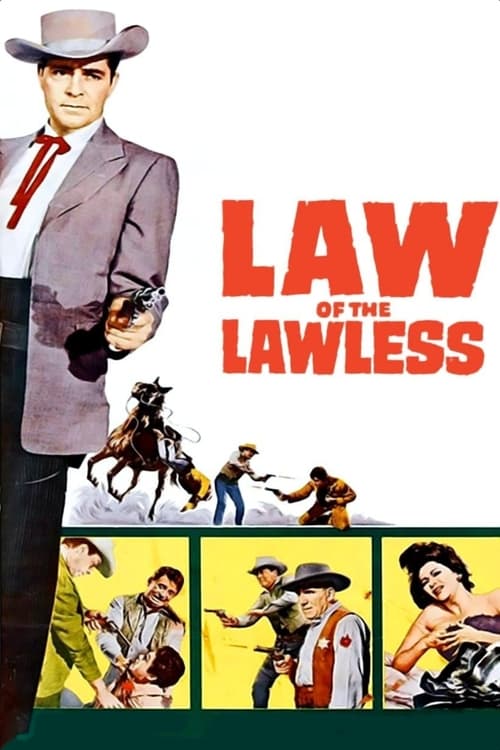
William F. Claxton
Runtime
87 minutes
Average Rating
No ratings yetNew Showbiz Analysis
Law of the Lawless is a conventional mid-century Western that prioritizes established genre archetypes over social disruption. The plot follows a reformed gunfighter turned judge seeking justice for his father, reinforcing individualist morality and the restorative power of law. The film operates within the standard social and moral parameters of 1960s cinema, lacking intentional multi-layered elements. Instead, it focuses on the classic tension between personal grievance and judicial authority. Ultimately, the work functions as a traditional genre piece, reinforcing existing hierarchies rather than subverting them, offering a narrative centered on the preservation of order in a post-Civil War setting.
Category Breakdown
The film does not include any characters with non-binary gender identities. It adheres to the traditional heterosexual and cisgender norms typical of Westerns from the 1960s.
The story revolves around a male protagonist who navigates violence and legal authority. This portrayal reinforces traditional masculine leadership and the classic strongman archetype.
Set in post-Civil War Kansas, the film reflects the era's predominantly white cast. There is no indication of actively leading characters of color.
The narrative emphasizes the establishment of legal institutions and social order. It aligns with traditional Western values emphasizing individual responsibility and adherence to law.
There is no evidence of characters with visible or invisible disabilities. The film does not address disability within its narrative framework.
Present on Screen
Limited or Absent
Official Synopsis
A former gunfighter, now a circuit court judge, faces his father's killer in a small post-Civil War Kansas town.
1955
1956

1964
1958
1965
1957

1954
1967
No reviews yet. Be the first to share your thoughts on this movie!
Use the rating form above to leave a star rating and optional review.