Gun Brothers
1956
No user ratings available yet
Diversity score: 1.4 out of 10
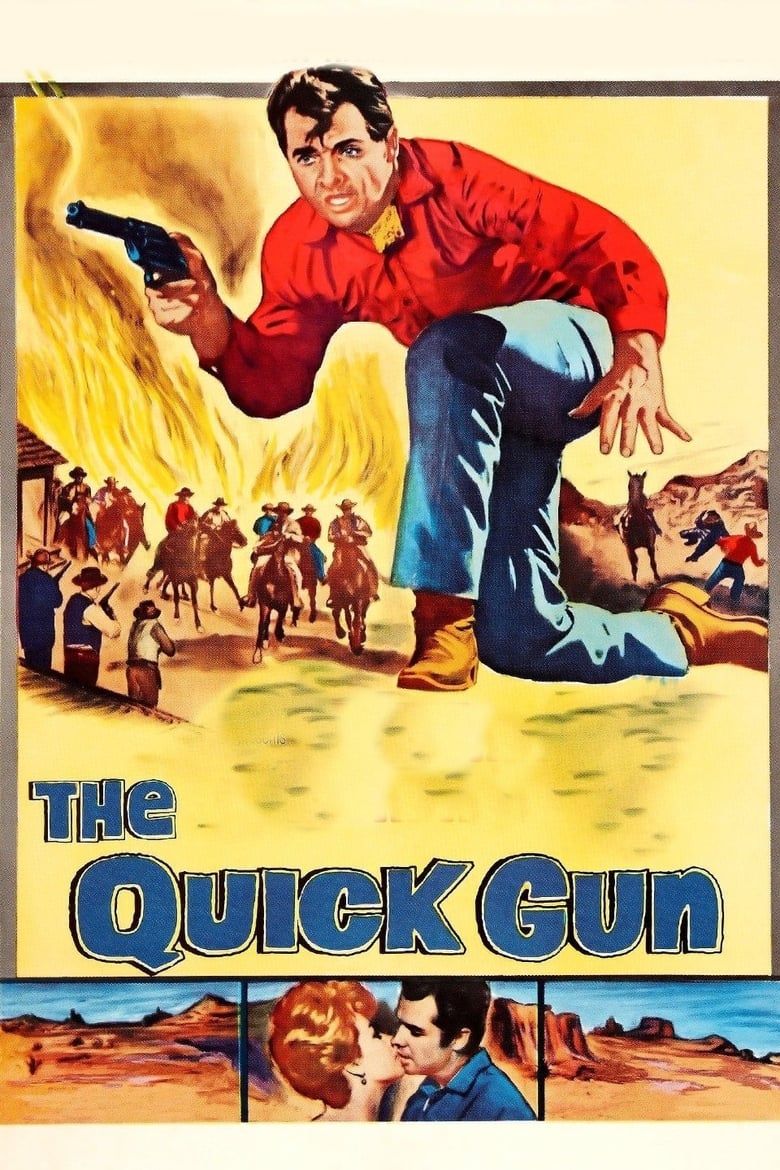
1964
NRDirector
Sidney Salkow
Runtime
87 minutes
Average Rating
No ratings yetSynopsis
Gunslinger Murphy helps an ungrateful town fight off a raid by his former gang.
Overall Score
Limited
Category Breakdown
LGBTQ+ Representation
The film adheres to the heteronormative social structures common in 1960s Westerns. There is no evidence of non-cisnormative identities or narratives that challenge traditional gender roles.
Gender Representation
The story centers on a male gunslinger, reinforcing archetypes of masculine leadership and protection. Female characters likely occupy secondary or domestic roles typical of the era.
Racial & Ethnic Diversity
The film reflects standard mid-century depictions of the American frontier. It likely prioritizes Anglo-Saxon protagonists, often utilizing racialized tropes for antagonists or peripheral characters.
Religious & Cultural Diversity
The narrative focuses on traditional Western values like defending a settlement. It emphasizes individual morality and community stability rather than critiquing Western institutions.
Disability Representation
There is no indication of characters navigating physical or neurodivergent experiences within the provided narrative.
Strengths
Areas for Improvement
AI Analysis
The Quick Gun is a conventional mid-century Western that relies heavily on established genre tropes. It follows a standard lone-hero trajectory, focusing on a protagonist who restores order through decisive action. The film reinforces traditional social hierarchies rather than subverting them. Its narrative structure prioritizes individualistic heroism and masculine competence, typical of the 1964 cinematic landscape. Ultimately, the production functions as a period-typical genre piece. It lacks the intentionality needed to disrupt the era's standard archetypes of masculinity and community preservation.
1956
1957
1952
1963
1964
1968
1967
1964
1966
1944
1955
1932
No reviews yet. Be the first to share your thoughts on this movie!
Use the rating form above to leave a star rating and optional review.