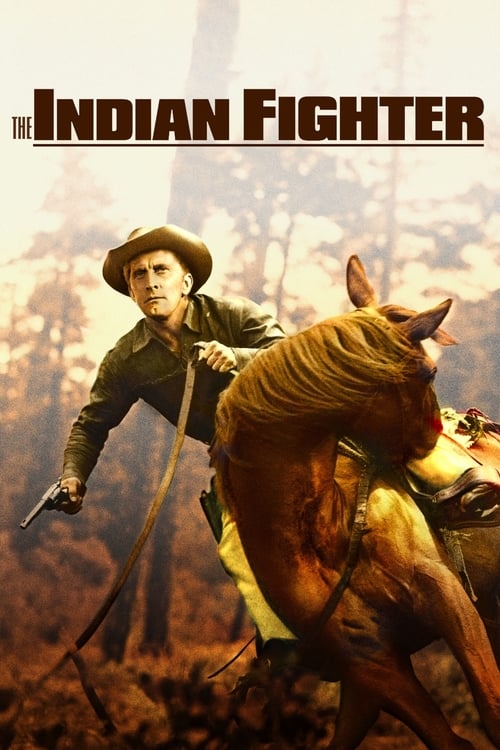
The Indian Fighter
1955
No user ratings available yet
Representation score: 0.9 out of 10
Representation Score
Minimal
1955
NRDirector
William Witney
Runtime
91 minutes
Average Rating
No ratings yetNew Showbiz Analysis
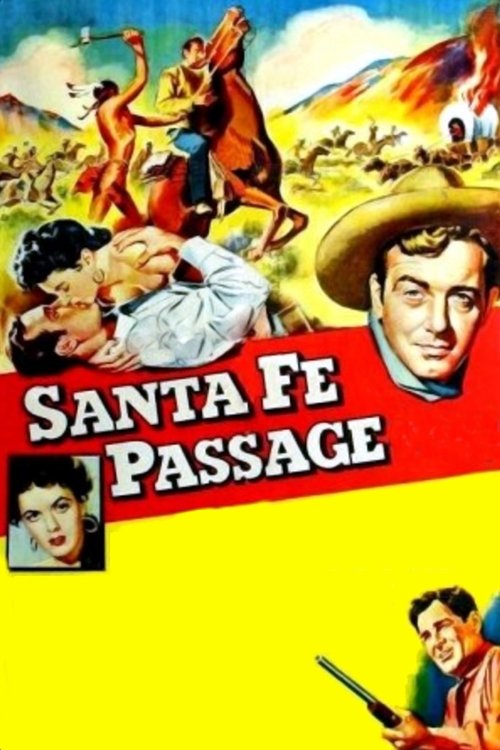
Santa Fe Passage operates within the established clichés of a 1950s Western, reinforcing traditional hierarchies of gender and race. The narrative structure prioritizes the protection of material assets over nuanced character development. The film does not challenge systemic power dynamics. Instead, it promotes a conventional frontier morality where survival and the preservation of wealth drive the plot. Overall, the work reflects the standard production practices of mid-century studio cinema, offering little in the way of diverse or subversive cultural representations.
Category Breakdown
There are no identifiable LGBTQ+ characters or non-cisgender identities in the film. It follows the traditional heterosexual norms common in mid-century genre filmmaking.
Jane Greer is a key figure in the traveling party, but the story focuses primarily on male characters' actions. Female characters serve the social context rather than challenging masculine leadership.
The story centers on a white-led expedition, even though the main character is an Indian scout. Indigenous and Mexican characters are portrayed using typical period archetypes rather than complex, actively leading roles.
The film upholds traditional Western values related to property protection and armed defense. It emphasizes conventional frontier morality and the preservation of wealth without moral relativism.
There are no visible or invisible disabilities that are central to the character arcs. Characters are defined by their usefulness to the expedition rather than any lived experience of disability or neurodivergence.
Present on Screen
Limited or Absent
Official Synopsis
A disgraced Indian scout and his partner are hired to escort a wagonload of guns through Indian territory.
1955
1939
1956
1966
1967
1960
1950
1959
No reviews yet. Be the first to share your thoughts on this movie!
Use the rating form above to leave a star rating and optional review.