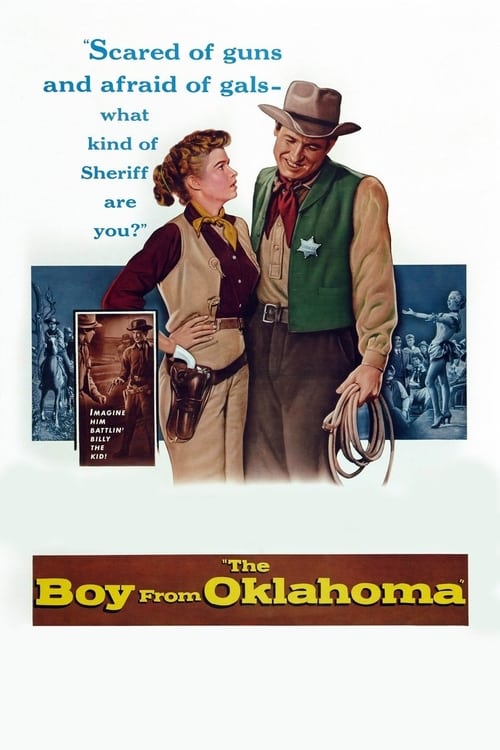
The Boy from Oklahoma
1954
No user ratings available yet
Diversity score: 2.3 out of 10
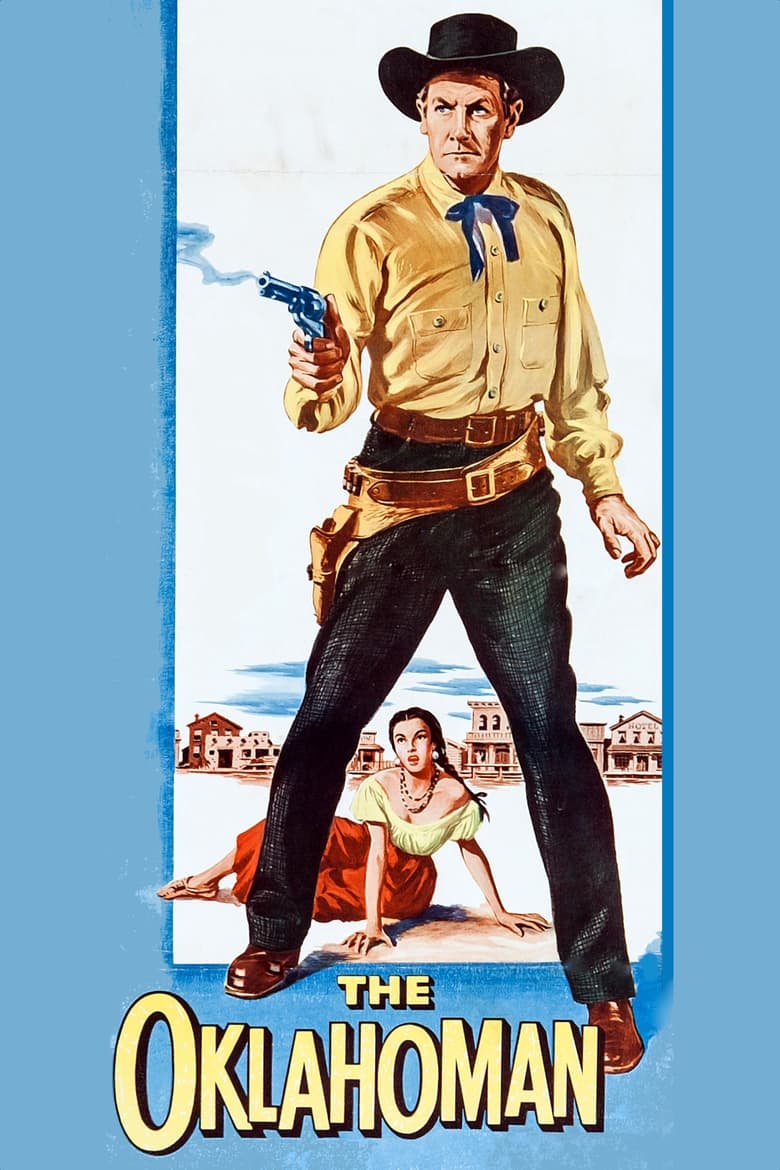
1957
NRDirector
Francis D. Lyon
Runtime
80 minutes
Average Rating
No ratings yetSynopsis
After his wife dies in childbirth, a doctor settles down in the small Oklahoma town of Cherokee Wells to raise his newborn daughter. Unfortunately, not all the citizens there are hospitable, especially when the doctor hires a pretty Indian teenager as his child's nanny.
Overall Score
Limited
Category Breakdown
LGBTQ+ Representation
The film lacks any depiction of non-heteronormative identities or same-sex intimacy. The story focuses on a traditional widower and his daughter within a standard heteronormative framework.
Gender Representation
The narrative centers on a male doctor navigating paternal duties. While a female nanny is introduced, the film appears to rely on traditional 1950s gender roles and domestic archetypes.
Racial & Ethnic Diversity
Representation is bolstered by the inclusion of an Indigenous teenager serving as a nanny. However, this role may lean into established era-specific tropes regarding non-white characters in domestic positions.
Religious & Cultural Diversity
The film adheres to conventional Western genre tropes, emphasizing frontier civilization and the sanctity of the nuclear family. It lacks any significant subversion of traditional institutional values.
Disability Representation
There are no visible or mentioned depictions of physical, sensory, or neurodivergent disabilities within the story.
Strengths
Areas for Improvement
AI Analysis
The Oklahoman is a quintessential product of 1950s genre filmmaking, adhering strictly to the social hierarchies of its time. The plot follows a traditional male-led narrative centered on a widower attempting to maintain a domestic unit in the American West. While the film offers more than a purely homogeneous cast by including an Indigenous character, the representation remains limited by the era's tropes. The character's role as a domestic helper suggests a lack of complex agency or systemic subversion. Ultimately, the film functions as a standard period piece. It reinforces conventional Western values and traditional gender roles rather than challenging the social or cultural status quo of the mid-century studio system.
1954
1929
1943

1966
1954

1955
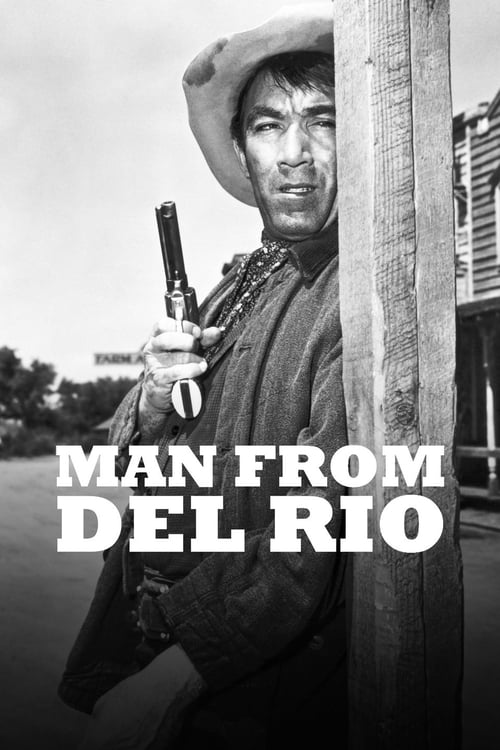
1956
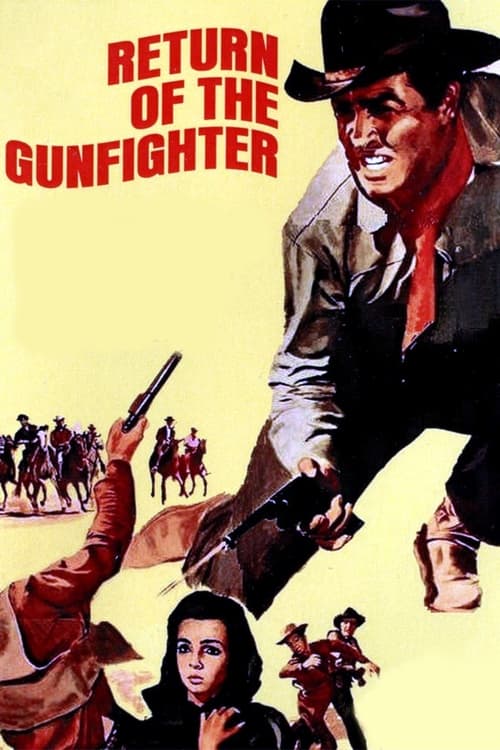
1967
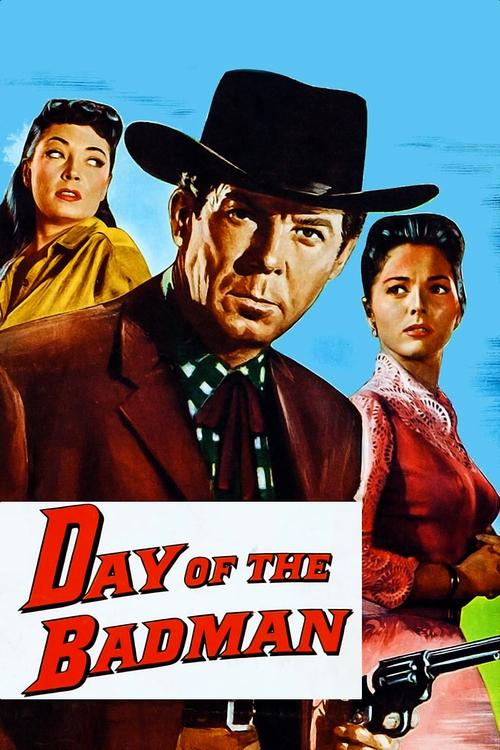
1958
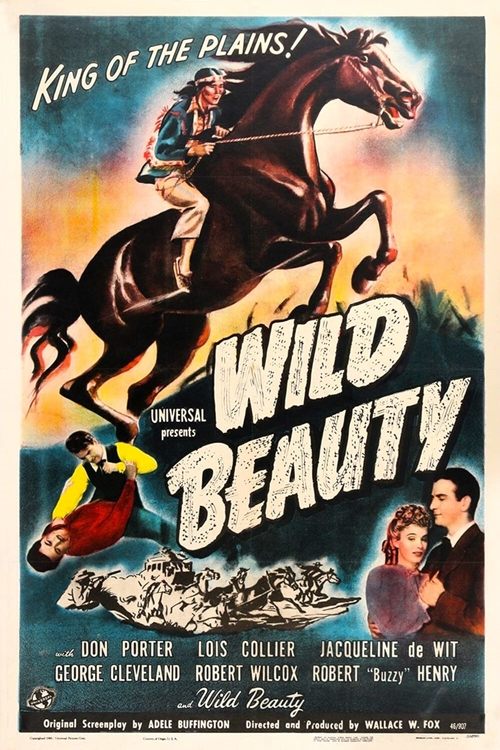
1946

1950
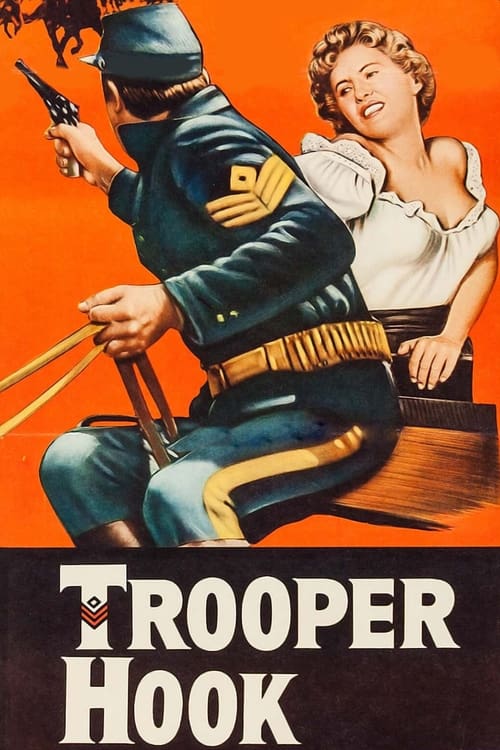
1957
No reviews yet. Be the first to share your thoughts on this movie!
Use the rating form above to leave a star rating and optional review.