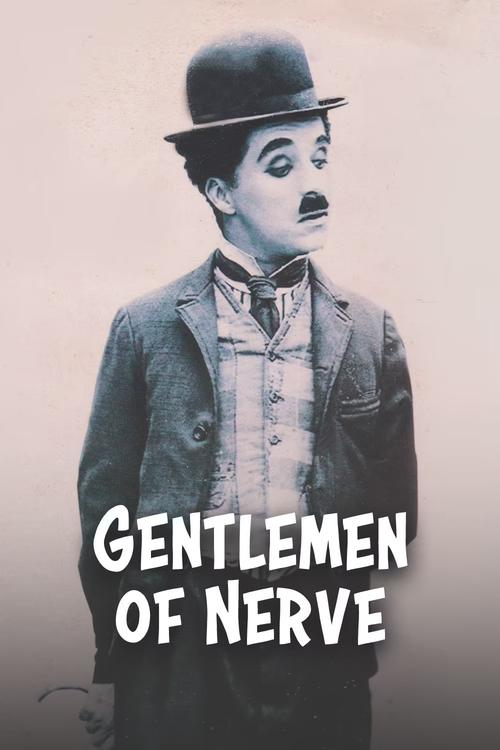
Gentlemen of Nerve
1914
No user ratings available yet
Representation score: 0.4 out of 10
Representation Score
Minimal
1914
NRDirector
Henry Lehrman
Runtime
7 minutes
Average Rating
No ratings yetNew Showbiz Analysis
Kid Auto Races at Venice is a foundational piece of silent slapstick that prioritizes physical chaos over social depth. The film focuses on the Tramp's interference with a cameraman during a public event, using physical comedy as its main driver. As a product of its historical period, the film does not intentionally address diverse identities. Its narrative structure relies on traditional comedic formulas that do not challenge existing social or systemic hierarchies. Ultimately, the film serves as a study in early genre-standard humor, offering little in the way of diverse perspectives or character-driven identity.
Category Breakdown
The film does not depict any LGBTQ+ identities. It follows a traditional framework of silent slapstick that does not address sexual orientation.
The story centers around a male child protagonist and the Tramp. There is a notable absence of women's roles or complex gender dynamics.
The film features a predominantly white cast typical of early 20th-century productions. There is no evidence of non-white protagonists or efforts to break Anglo-centric norms.
The story focuses on disrupting a public auto race through slapstick humor. It emphasizes individualistic humor rather than offering any systemic or ideological commentary.
No disabilities are portrayed with significant roles. Physical mishaps are part of the comedic genre rather than meaningful representations of neurodivergence or physical disability.
Present on Screen
Limited or Absent
Official Synopsis
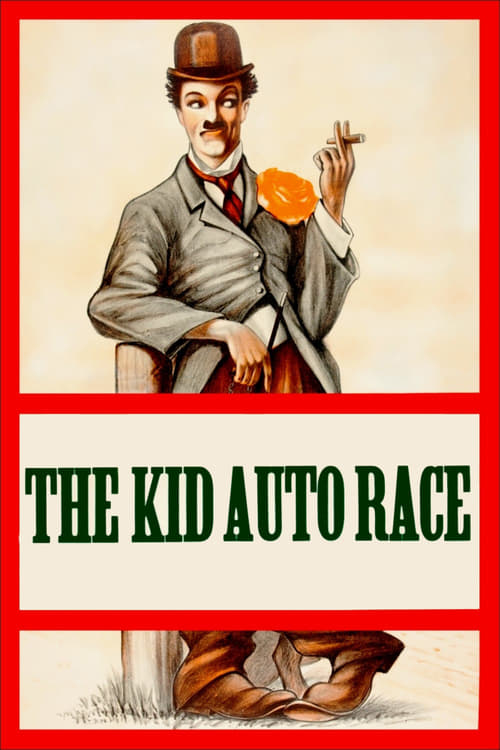
The Tramp interferes with the celebration of several kid auto races in Venice, California (Junior Vanderbilt Cup Race, January 10 and 11, 1914), standing himself in the way of the cameraman who is filming the event.
1914
1928
1914

1928
1914
1924

1904
1902
No reviews yet. Be the first to share your thoughts on this movie!
Use the rating form above to leave a star rating and optional review.