No Limit
1935
No user ratings available yet
Diversity score: 1.4 out of 10
1900
Director
Frederick S. Armitage
Runtime
1 minutes
Average Rating
No ratings yetSynopsis
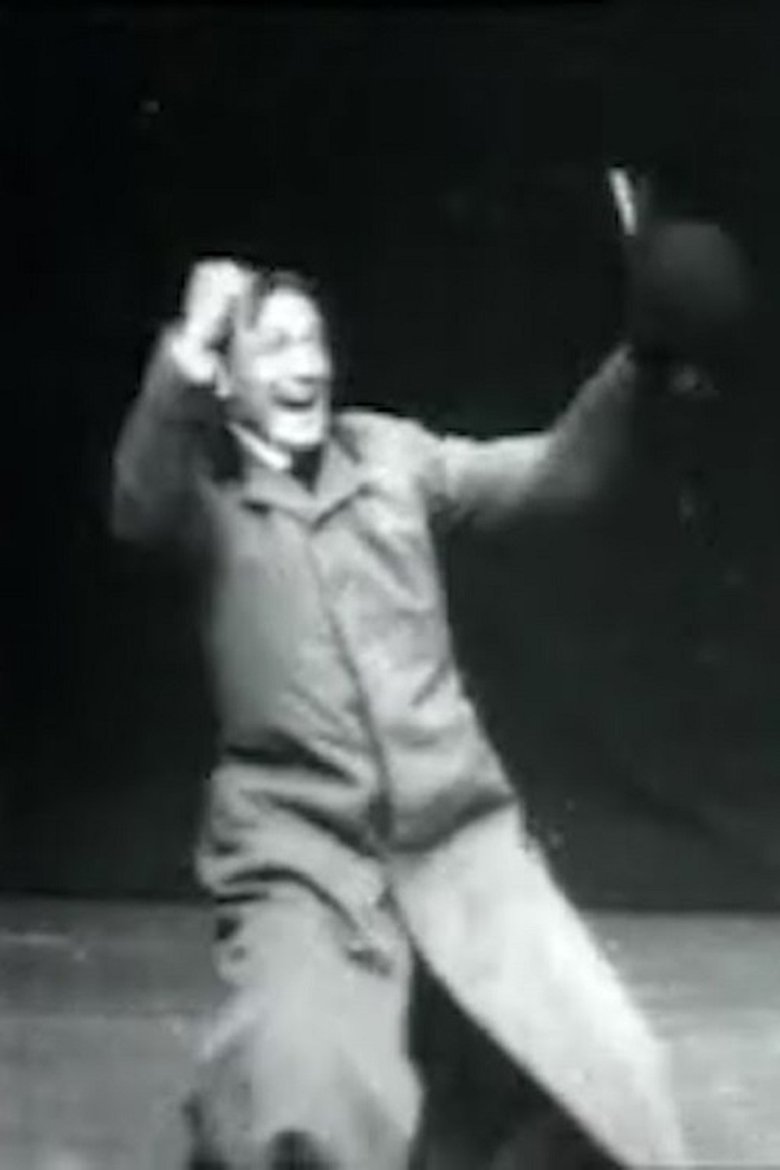
Filming of a character sketch by the well-known vaudevillian Charles E. Grapewin. On a bare stage backed by a dark curtain, a man dressed in a three-piece suit and overcoat holds a racing program and excitedly watches a race supposedly taking place offstage.
Overall Score
Minimal
Category Breakdown
LGBTQ+ Representation
The film features a single male performer in a three-piece suit. There are no depictions of non-cisnormative identities or same-sex intimacy.
Gender Representation
The narrative centers entirely on a male figure. It lacks female characters and does not engage with or subvert gender hierarchies.
Racial & Ethnic Diversity
The production features a homogeneous cast of one white male. There is no evidence of racial blending or non-Anglo-Saxon casting.
Religious & Cultural Diversity
The sketch functions as a traditional comedic vignette. It reflects standard era leisure activities like horse racing without critiquing Western institutions.
Disability Representation
There is no indication of characters with visible or invisible disabilities. The performer's role is defined solely by his reaction to an offstage event.
Strengths
Areas for Improvement
AI Analysis
This 1900 character sketch is a singular comedic performance focused on a vaudevillian archetype. Because it centers on one man reacting to an offstage race, it lacks the cast size necessary for demographic variety. The film adheres strictly to the performance norms of its era, offering a homogeneous view of society. It provides no narrative space for intersectional identities or social commentary. Ultimately, the work is a period-specific vignette that prioritizes comedic timing over demographic breadth or the disruption of social hierarchies.
1935
1917
1897
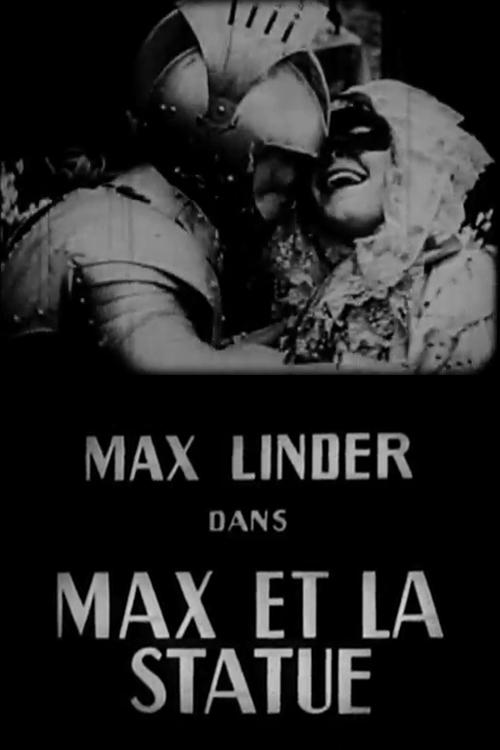
1912

1915
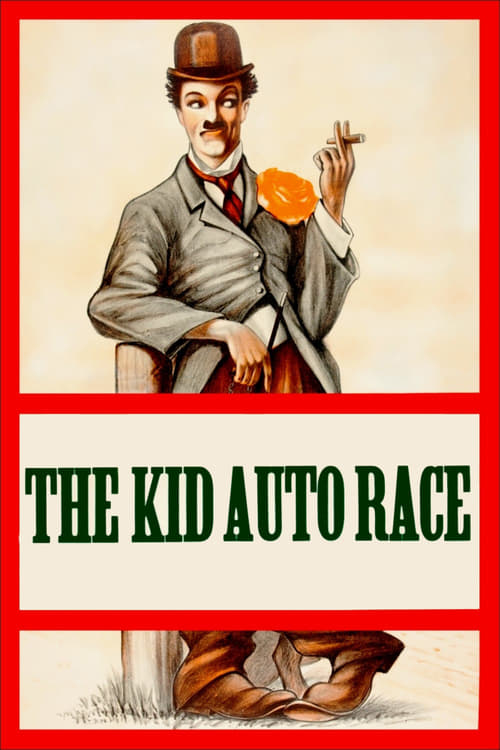
1914
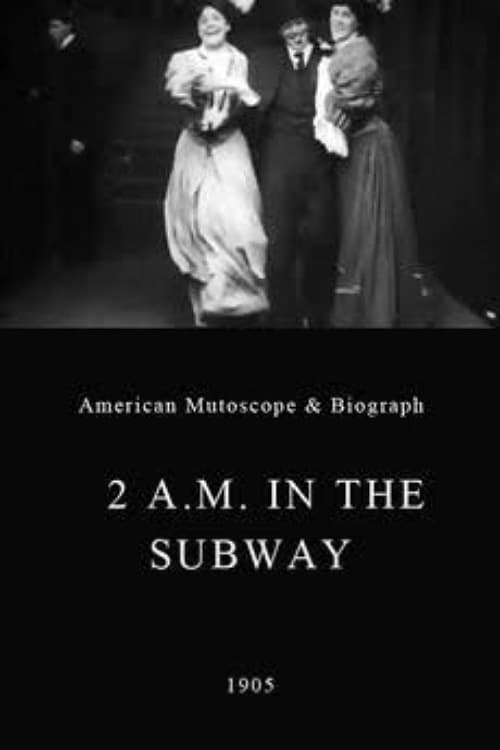
1905
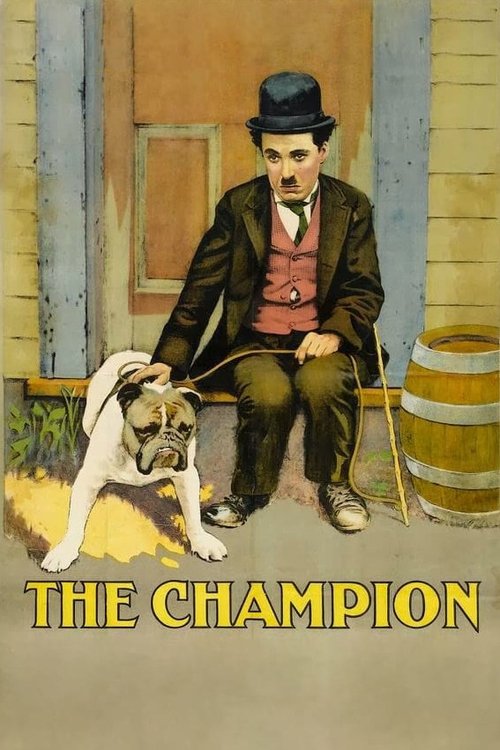
1915
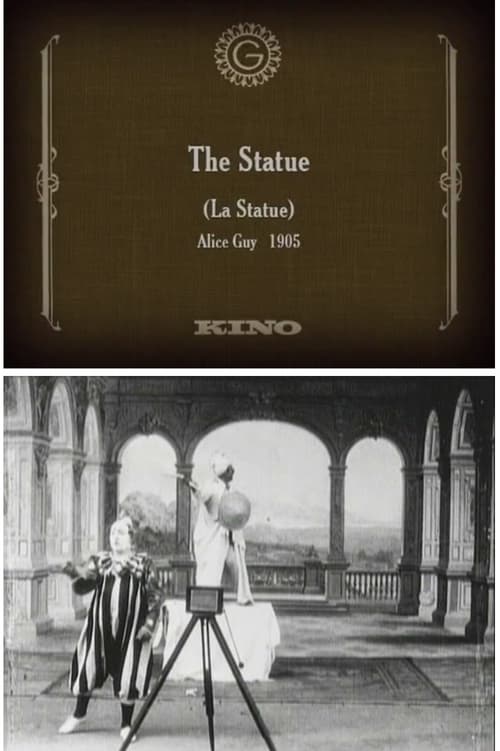
1905
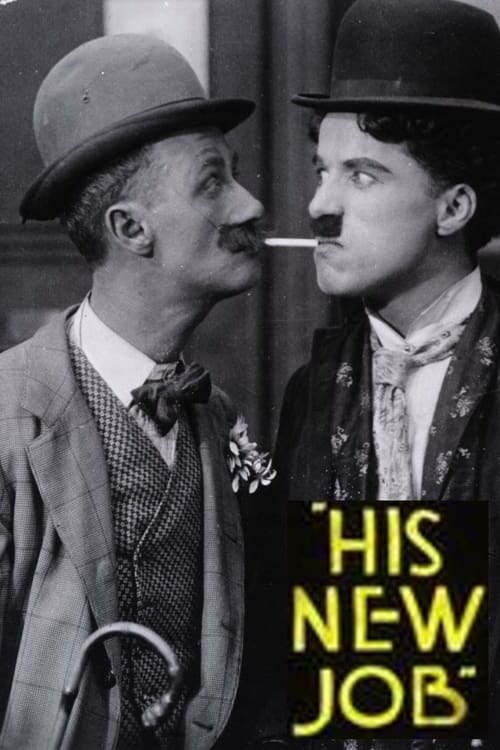
1915
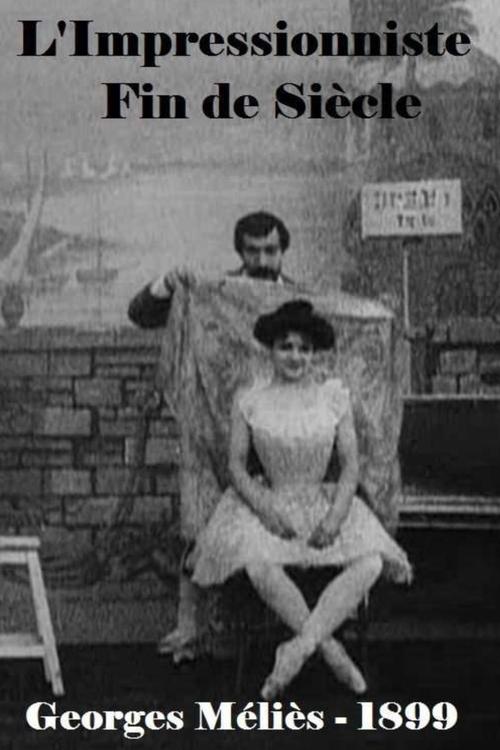
1899
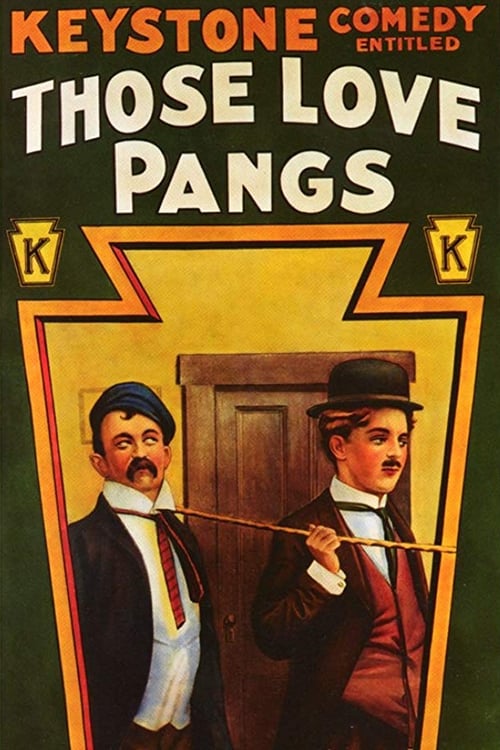
1914
No reviews yet. Be the first to share your thoughts on this movie!
Use the rating form above to leave a star rating and optional review.