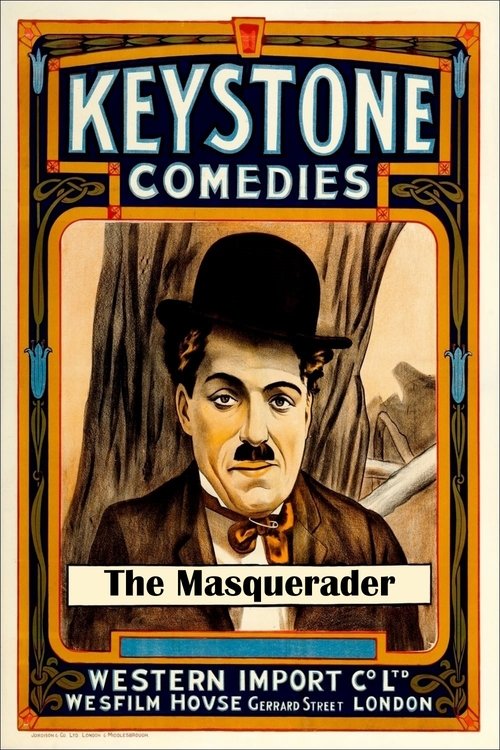
The Masquerader
1914
No user ratings available yet
Representation score: 2.6 out of 10
Representation Score
Minimal
1915
TV-GDirector
Charlie Chaplin
Runtime
29 minutes
Average Rating
No ratings yetNew Showbiz Analysis
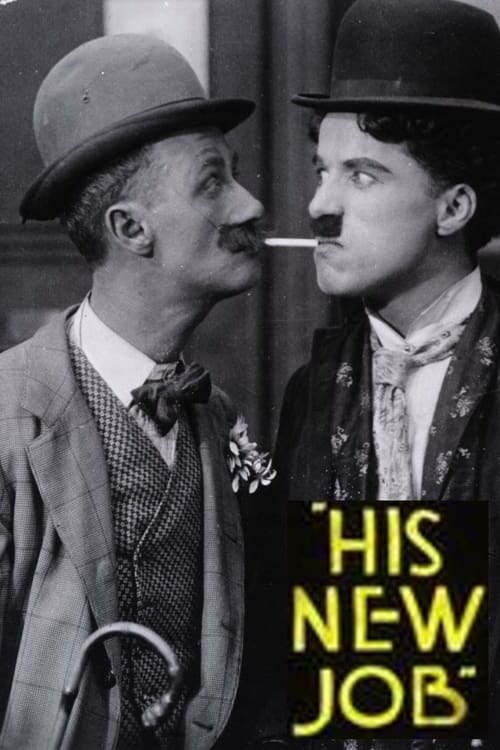
His New Job serves as a foundational example of slapstick humor rather than a critique of societal structures. The narrative is built around traditional male hierarchies, focusing on men's control over the story within a male-dominated sphere. The film adheres closely to the social norms of 1915. It lacks complexity in its portrayal of identity and power dynamics, relying instead on situational comedy.
Category Breakdown
The film does not depict any non-straight or non-cisgender identities. It portrays a traditional early 20th-century social setting without any visible queer presence.
The workplace is shown as an all-male environment. Women are depicted in a passive role, mainly reacting to accidental physical disruptions.
The film features an entirely white cast, consistent with the era's industrial settings. There is no evidence of racial diversity in the casting.
The narrative centers on the chaotic nature of industrial labor, using the frantic environment as a comedic element rather than a critique of societal structures.
The film does not include any characters with visible or invisible disabilities. Disability is not used as a narrative device or for comedic purposes.
Present on Screen
Limited or Absent
Official Synopsis
When one of the actors on a movie set doesn't show up, Charlie gets his chance to be on camera and replaces the actor. While waiting, he plays in a dice game and gets on many people's nerves. When he finally gets to act, he ruins his scene, accidentally destroys the set, and tears the skirt of the star of the movie.
1914

1923
1915
1914

1915

1915

1914
1916
No reviews yet. Be the first to share your thoughts on this movie!
Use the rating form above to leave a star rating and optional review.