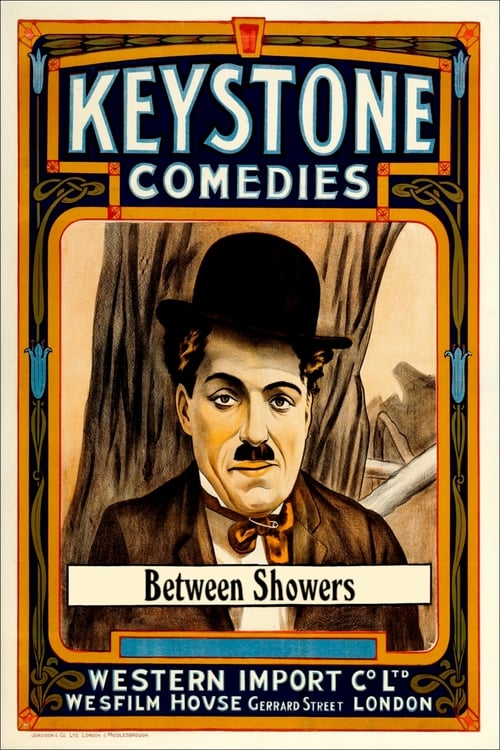
Between Showers
1914
No user ratings available yet
Diversity score: 1.1 out of 10

1914
GDirector
Henry Lehrman
Runtime
13 minutes
Average Rating
No ratings yetSynopsis
A swindler scams a newspaper reporter-photographer and then, not realizing where the man is employed, applies for a job at his newspaper.
Overall Score
Limited
Category Breakdown
LGBTQ+ Representation
The film lacks LGBTQ+ characters or narratives. It adheres to the standard heteronormative social norms typical of the 1914 silent era.
Gender Representation
The story centers on a male swindler and a male reporter. Female characters are absent from the primary narrative arc, offering no subversion of gender hierarchies.
Racial & Ethnic Diversity
The film reflects the homogeneous casting practices of early American cinema. There is no evidence of intentional racial or ethnic diversity within the plot.
Religious & Cultural Diversity
The plot focuses on urban hustle and individualist mischief. It does not offer critiques of Western institutions, religion, or capitalism.
Disability Representation
There is no evidence of characters with disabilities being used as central plot drivers or subjects of mockery.
Strengths
Areas for Improvement
AI Analysis
Making a Living is a product of its era, functioning within the conventional social and demographic structures of the early 1910s. The narrative focuses on a comedic conflict between two men, leaving little room for diverse perspectives. The film lacks the intersectional complexity required by modern standards. It operates through a traditional comedic framework that prioritizes slapstick tropes over social or cultural representation. Ultimately, the work reflects the limited cinematic scope of early silent comedy, where character identities remain largely homogeneous and centered on mainstream social norms.
1914
1936
1937
1917
1974

1957
1922
1985
1923
1936
1959
1936
No reviews yet. Be the first to share your thoughts on this movie!
Use the rating form above to leave a star rating and optional review.