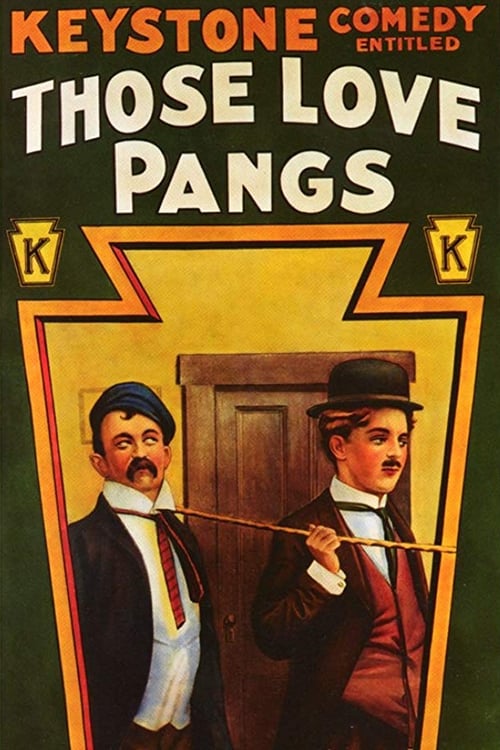
Those Love Pangs
1914
No user ratings available yet
Representation score: 1.4 out of 10

Representation Score
Minimal
1914
NRDirector
Mack Sennett, George Nichols
Runtime
9 minutes
Average Rating
No ratings yetNew Showbiz Analysis
Cruel, Cruel Love is a product of the early silent era, adhering strictly to the social and narrative constraints of 1914. The film focuses on a high-society romantic misunderstanding, using slapstick to navigate class and jealousy rather than to challenge them. While it serves as a foundational piece of comedic history, the work lacks intentionality regarding the representation of multiple aspects of diversity. The characters and settings reflect a homogeneous, Western-centric worldview common to Keystone Studios productions of this period.
Category Breakdown
The film does not depict any non-straight relationships or identities. The plot revolves around a traditional romantic conflict between a man and his girlfriend.
Gender dynamics follow conventional clichés of the era. The story relies on a jealous lover archetype rather than empowering female characters or challenging gender hierarchies.
The production reflects the homogeneous casting typical of the early Keystone era. There is no evidence of racial blending or non-white majority casting.
The narrative reinforces existing social class distinctions. It functions as a standard comedic exploration of social misunderstandings within a stratified Western society.
There is no documented evidence regarding the portrayal of physical or neurodivergent disabilities in this film.
Present on Screen
Limited or Absent
Official Synopsis
This early Chaplin film has him playing a character quite different from the Tramp for which he would become famous. He is a rich, upper-class gentleman whose romance is endangered when his girlfriend oversees him being embraced by a maid. Chaplin's romantic interest in this film, Minta Durfee, was the wife of fellow Keystone actor, Roscoe "Fatty" Arbuckle.
1914
1926
1914
1927

1915

1928
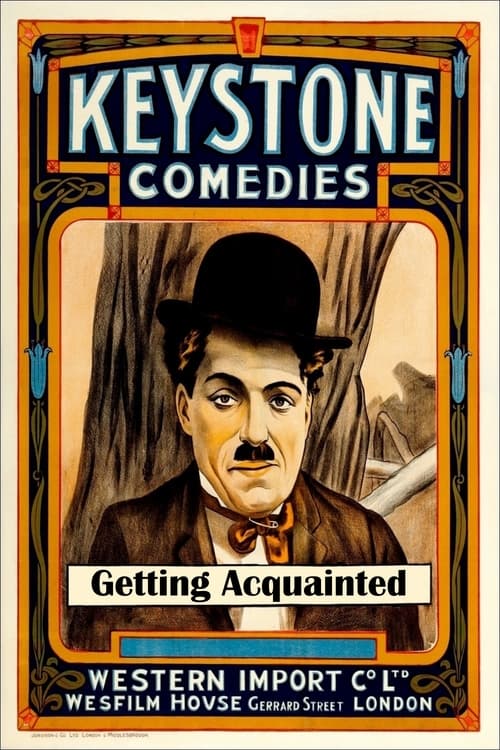
1914
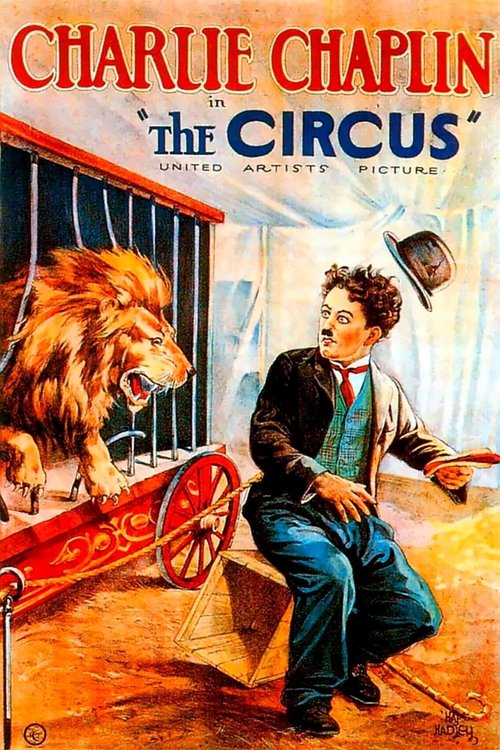
1928
No reviews yet. Be the first to share your thoughts on this movie!
Use the rating form above to leave a star rating and optional review.