Move Along
1926
No user ratings available yet
Representation score: 0.9 out of 10
No Poster Available
Representation Score
Minimal
1926
PASSEDDirector
Norman Taurog
Runtime
25 minutes
Average Rating
No ratings yetNew Showbiz Analysis
Nobody's Business is a product of its era, prioritizing physical comedy and situational irony typical of 1926 silent slapstick. The narrative focuses on the daily struggles of a lunch wagon manager rather than exploring complex social themes. The film lacks intentional deconstruction of social hierarchies or multi-layered identity portrayals. Instead, it adheres to the standard comedic structures of the mid-1920s, centering on the protagonist's struggle with labor and social interaction. Ultimately, the work reflects the homogeneous casting and traditional social frameworks prevalent in early American cinema, offering little in the way of diverse or nuanced identity portrayals.
Category Breakdown
The film does not include any characters with non-traditional gender identities. Its focus on the everyday life of a service worker does not address issues related to heterosexual norms.
The story centers on the protagonist's personal and professional challenges. It does not show women taking active roles or challenging traditional gender roles.
The setting and focus on difficult customers suggest a reliance on the homogeneous casting standards of the 1920s. There is no indication of a diverse cast.
The plot operates within traditional early 20th-century Western social structures. It does not offer critiques of Western institutions or diverse cultural perspectives.
There is no documented evidence of characters with disabilities being portrayed with significant roles. No specific usage of physical impairment as a comedic device is confirmed.
Present on Screen
Limited or Absent
Official Synopsis
Lloyd, manager of a lunch wagon at the beach, must contend with his morning commute, difficult customers, and other problems on a day when absolutely everything goes wrong.
1926
1971

1914
1928

1924
1928
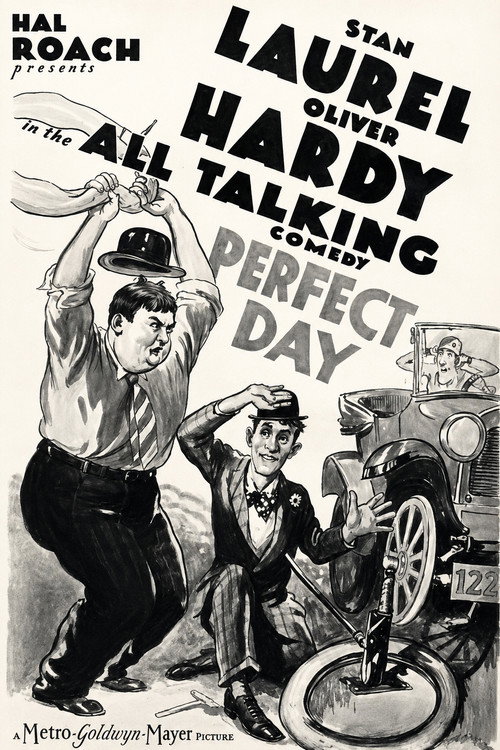
1929
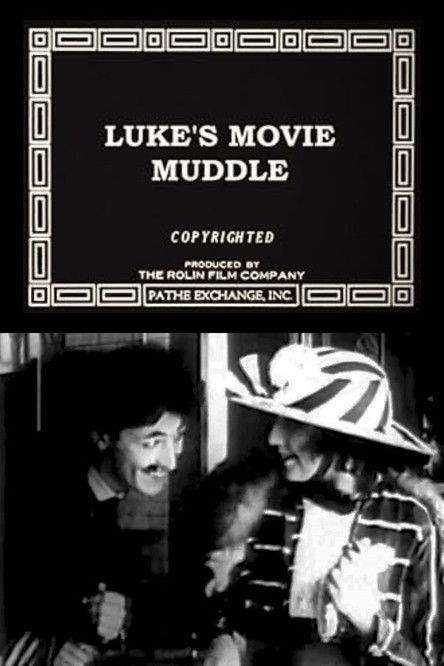
1916
No reviews yet. Be the first to share your thoughts on this movie!
Use the rating form above to leave a star rating and optional review.