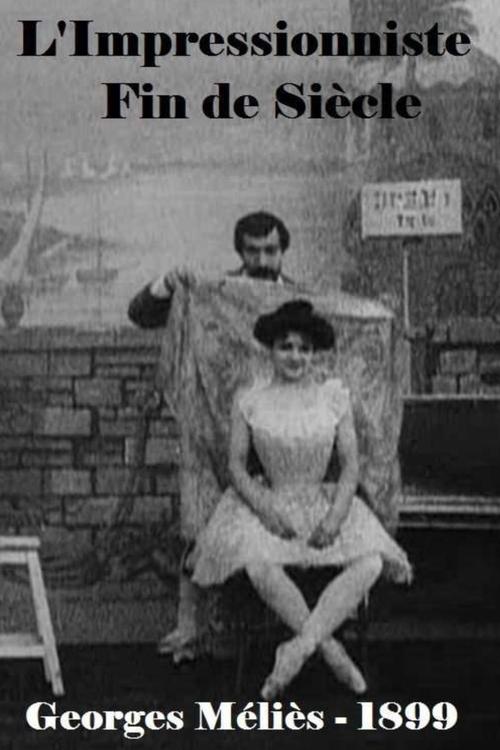
An Up-to-Date Conjurer
1899
No user ratings available yet
Representation score: 1.0 out of 10
Representation Score
Minimal
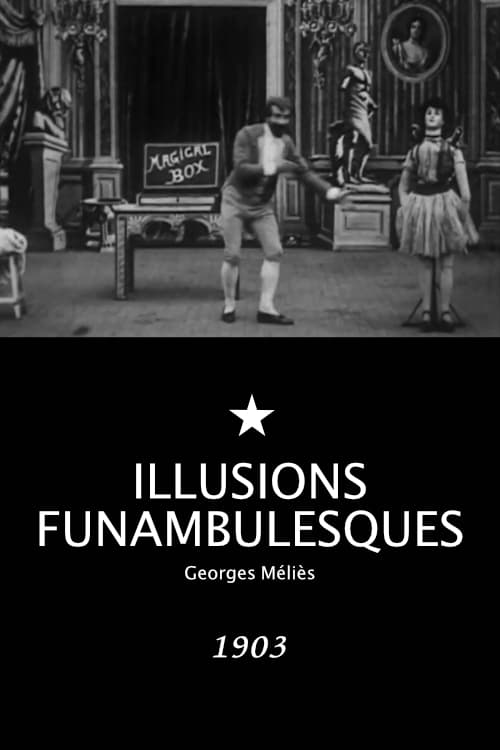
1903
Not RatedDirector
Georges Méliès
Runtime
2 minutes
Average Rating
No ratings yetNew Showbiz Analysis
As a foundational trick film, *Extraordinary Illusions* serves as a technical showcase for Georges Méliès's mastery of cinematic magic. The film's main purpose is to demonstrate stop-motion and substitution splices rather than to explore character-driven narratives. Since the work is a brief, performance-oriented short focused on a single protagonist, it lacks the narrative structure needed to address complex social dynamics or overlapping identities. The focus remains strictly on the mechanics of illusionism. Ultimately, the film functions as a historical artifact of technical innovation. Its limited scope prevents it from challenging traditional hierarchies or providing diverse representation.
Category Breakdown
The film focuses solely on the illusionist's performance and does not include any characters with LGBTQ identities or non-cisgender identities.
The movie centers around a male performer from the early 20th century, reflecting the time's theatrical traditions. It lacks female characters who play significant roles in driving the story.
The film depicts a homogeneous setting typical of early European cinema. There are no characters from diverse ethnic backgrounds.
The work adheres to traditional theatrical entertainment conventions. It does not engage with social critiques or challenge Western religious or cultural norms.
The film does not feature any characters with visible or invisible disabilities. Disability is not used as a narrative device in this film.
Present on Screen
Limited or Absent
Official Synopsis
Pioneer filmmaker Georges Méliès performs his cine-magic act.
1899
1901
1904
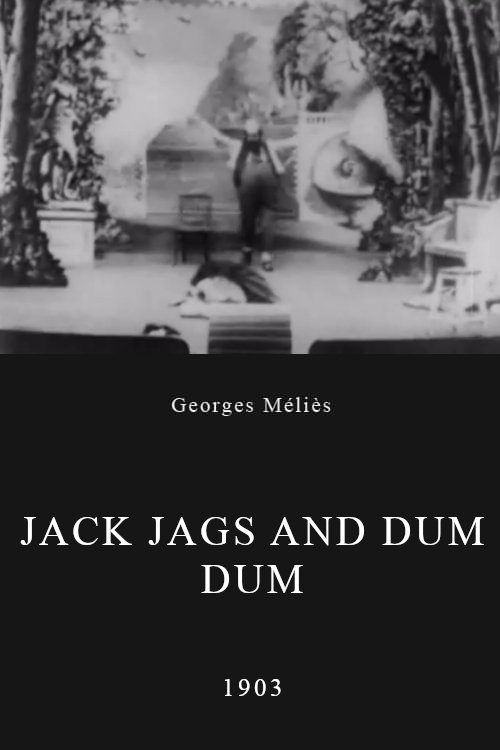
1903
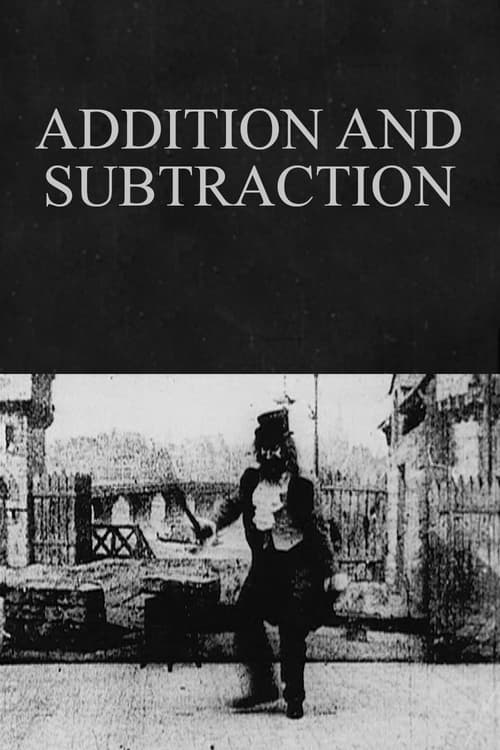
1900
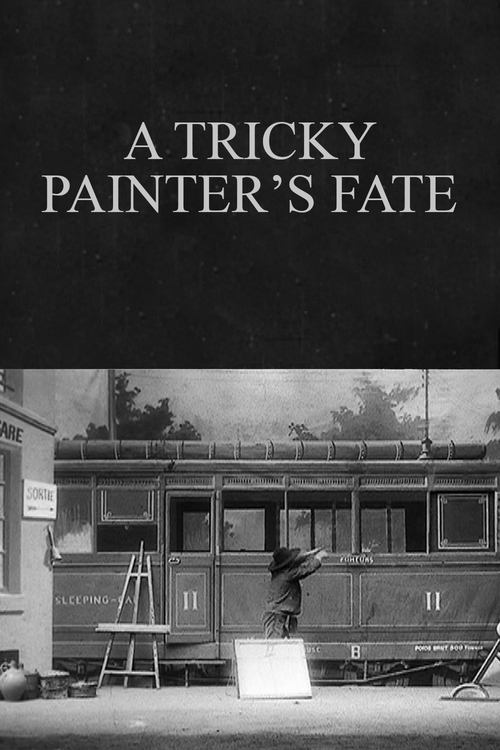
1908
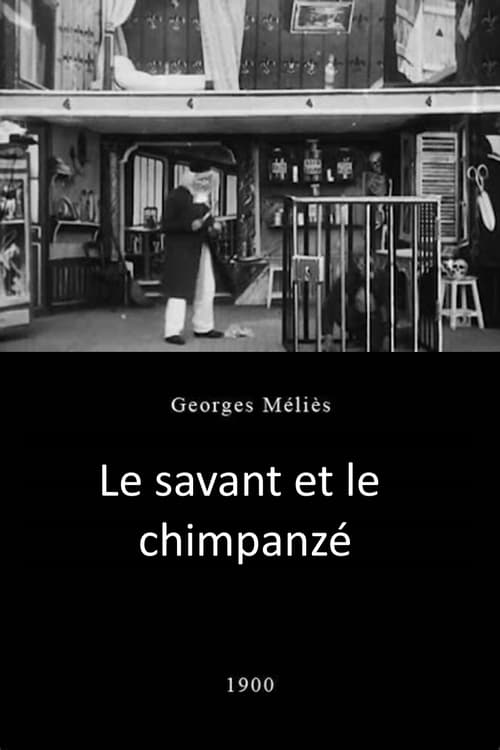
1900
1906
No reviews yet. Be the first to share your thoughts on this movie!
Use the rating form above to leave a star rating and optional review.