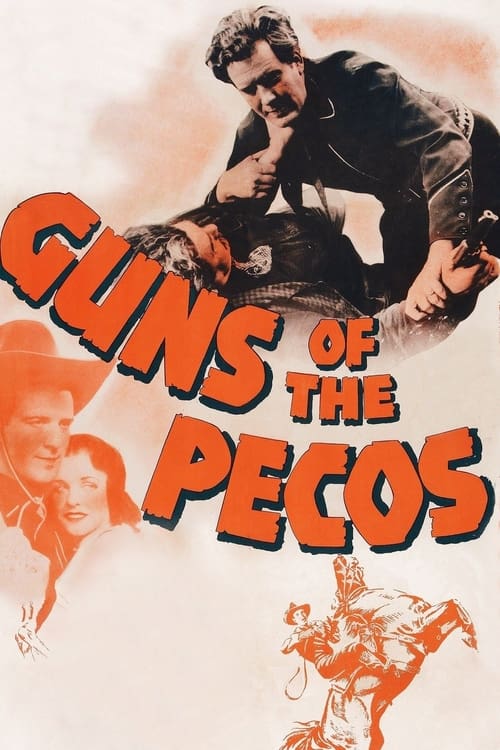
Guns of the Pecos
1936
No user ratings available yet
Representation score: 1.3 out of 10
Representation Score
Minimal
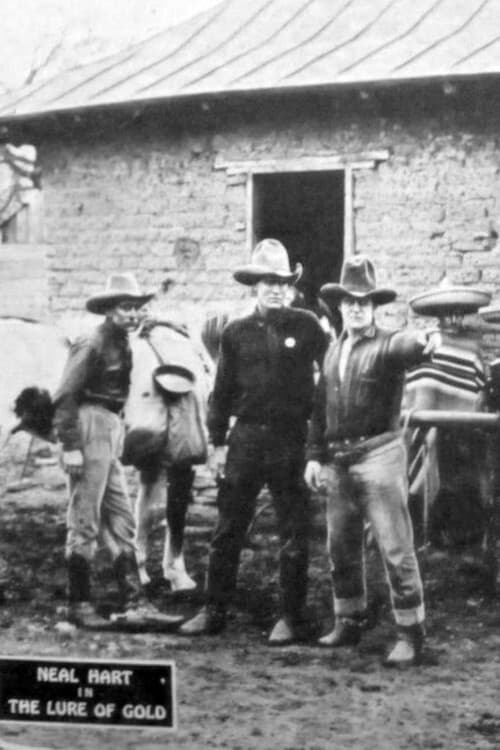
1922
PassedDirector
Neal Hart
Runtime
54 minutes
Average Rating
No ratings yetNew Showbiz Analysis
The Lure of Gold is a traditional silent Western that closely follows the genre conventions of its time. The narrative emphasizes traditional heroism and heterosexual relationships, offering little in the way of diverse perspectives or subversion. While the film includes a competent female lead, the central conflicts remain rooted in masculine competition and frontier justice.
Category Breakdown
The movie centers on a heterosexual relationship between a rodeo contestant and a singer. It doesn't include any characters with non-binary gender identities or same-sex relationships.
A female character plays a significant role by helping the main character. However, the central conflict revolves around masculine competition and physical confrontations.
The film reflects the homogeneous racial depictions typical of early Hollywood Westerns. It lacks diverse casting and subverted narratives.
The storyline follows a traditional morality tale about frontier justice and property protection. It stays within the conventional Western framework without challenging established institutions.
The film does not mention any characters dealing with physical or neurological disabilities.
Present on Screen
Limited or Absent
Official Synopsis
Jack Austin is a champion rodeo contestant who befriends and falls in love with a touring concert singer. She, in turn, comes to his aid when an attempt, by Chuck Wallace and his henchman Latigo Jack, is made to steal Jack's rodeo winnings.
1936
1940
1928
1930
1935
1928
1934
1922
No reviews yet. Be the first to share your thoughts on this movie!
Use the rating form above to leave a star rating and optional review.