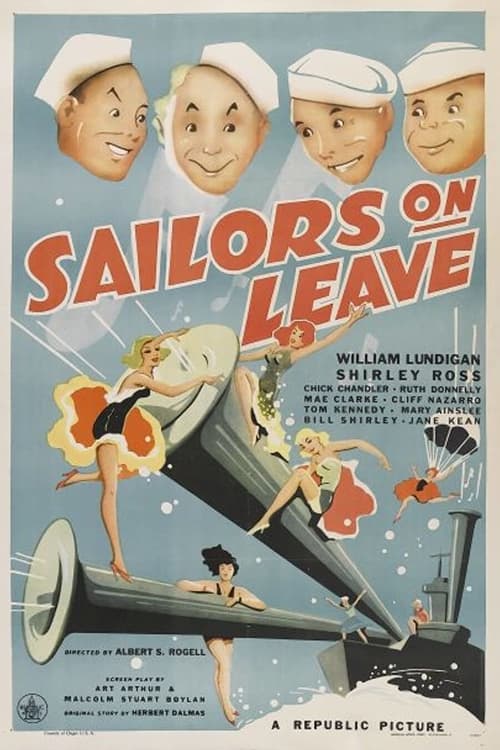
Sailors on Leave
1941
No user ratings available yet
Diversity score: 2.7 out of 10

1935
ApprovedDirector
Benjamin Stoloff
Runtime
70 minutes
Average Rating
No ratings yetSynopsis
An eccentric heir must marry a widow in order to collect the millions left to him in his aunt's will, so a suicidal neighbor agrees to marry the man's young fiancée before offing himself.
Overall Score
Limited
Category Breakdown
LGBTQ+ Representation
The film follows a traditional romantic trajectory centered on marriage and inheritance. It lacks non-cisnormative identities or critiques of heteronormativity.
Gender Representation
Women function as transactional elements within a patriarchal inheritance structure. While central to the plot, they operate within traditional roles rather than demonstrating autonomy.
Racial & Ethnic Diversity
The film likely adheres to the homogeneous casting norms of the 1930s. It reflects the era's standard Western-centric demographic patterns.
Religious & Cultural Diversity
The narrative focuses on wealth acquisition and the preservation of family estates. It reinforces traditional Western institutional values and legalistic motivations.
Disability Representation
There is no evidence of characters with disabilities portrayed with agency. A suicidal neighbor may serve as a plot device rather than a nuanced study.
Strengths
Areas for Improvement
AI Analysis
To Beat the Band is a quintessential product of the 1930s musical comedy era. It relies on standardized narrative structures and conventional social hierarchies to drive its comedic conflict. The film functions within a traditionalist framework, focusing on inheritance-driven plot mechanics. It lacks the intentionality required to disrupt or subvert established expectations regarding identity or power. Ultimately, the work reinforces the social and legalistic norms of its time, prioritizing capitalist motivations and traditional romantic pairings over diverse or nuanced representation.
1941
1939

1933

1935

1940
1933

1935
1931
1938
1934
1947
1937
No reviews yet. Be the first to share your thoughts on this movie!
Use the rating form above to leave a star rating and optional review.