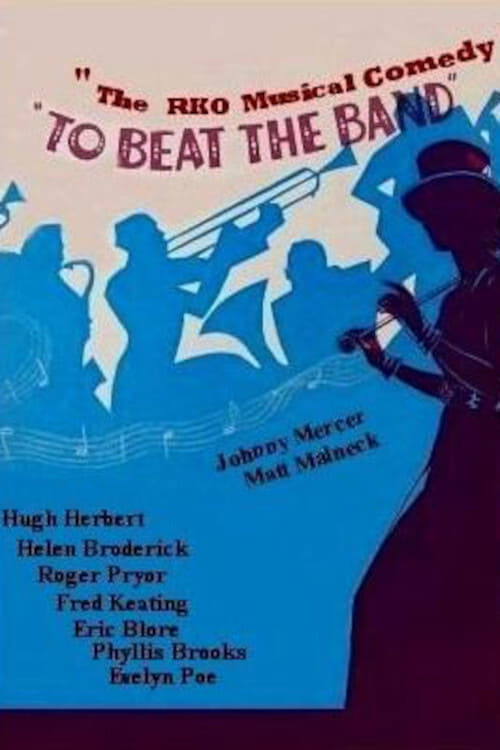
To Beat the Band
1935
No user ratings available yet
Diversity score: 2.3 out of 10
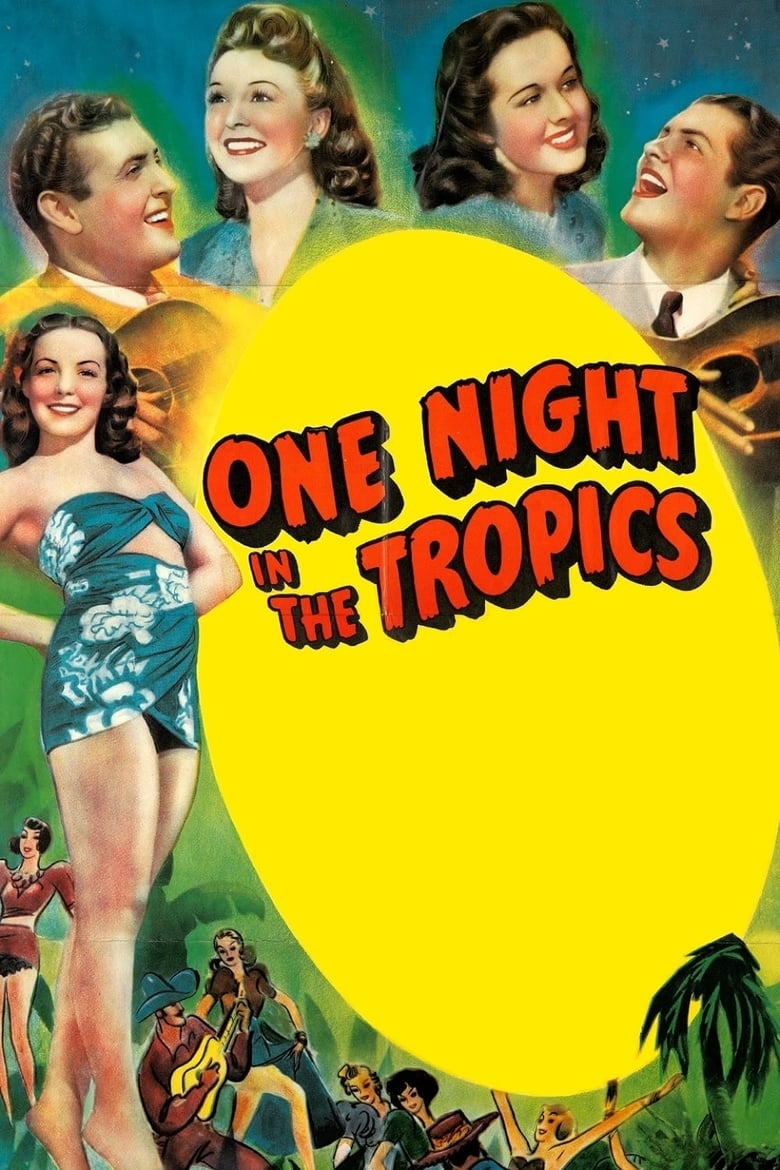
1940
ApprovedDirector
A. Edward Sutherland
Runtime
82 minutes
Average Rating
No ratings yetSynopsis
Jim "Lucky" Moore, an insurance salesman, comes up with a novel policy for his friend, Steve: a 'love insurance policy', that will pay out $1-million if Steve does not marry his fiancée, Cynthia. The upcoming marriage is jeopardized by Steve's ex-girlfriend, Mickey, and Cynthia's disapproving Aunt Kitty. The policy is underwritten by a nightclub owner, Roscoe, who sends two enforcers - Abbott and Costello - to ensure that the wedding occurs as planned.
Overall Score
Minimal
Category Breakdown
LGBTQ+ Representation
The film adheres strictly to heteronormative romantic structures. The plot focuses entirely on conventional courtship and the romantic entanglements of the central leads.
Gender Representation
Female characters like Mickey and Cynthia drive the romantic conflict, but their agency remains tethered to male protagonists. The story follows traditional gender hierarchies and courtship patterns.
Racial & Ethnic Diversity
The tropical setting serves as an exoticized aesthetic rather than a source of depth. The ensemble reflects 1940s Hollywood standards, prioritizing a homogeneous, Western-centric cast.
Religious & Cultural Diversity
The narrative reinforces traditional social institutions like marriage and capitalism. It promotes a stable social order without critiquing Western structures or religious morality.
Disability Representation
No characters with visible or invisible disabilities are integrated into the story. The cast consists of standard musical comedy archetypes without neurodivergent or physical disability representation.
Strengths
Areas for Improvement
AI Analysis
One Night in the Tropics is a quintessential product of its era, functioning as a standard musical comedy that reinforces 1940s social hierarchies. The narrative architecture is designed to uphold traditional romantic and gendered structures rather than disrupt them. The film lacks intentionality regarding intersectional depth or systemic critique. It relies on established tropes of courtship and conventional social institutions, such as insurance and marriage contracts, to drive its plot. Ultimately, the production prioritizes a stable, Western-centric social order. It offers little representation for LGBTQ+ identities, diverse racial backgrounds, or characters with disabilities.
1935
1938
1943
1934

1934

1935
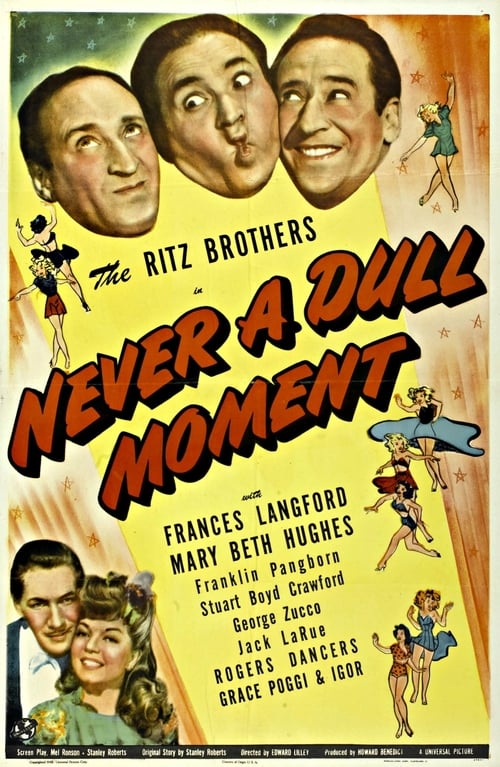
1943
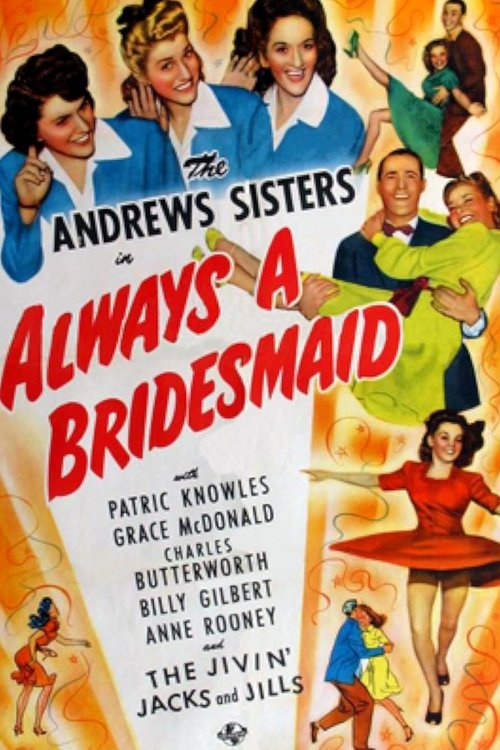
1943
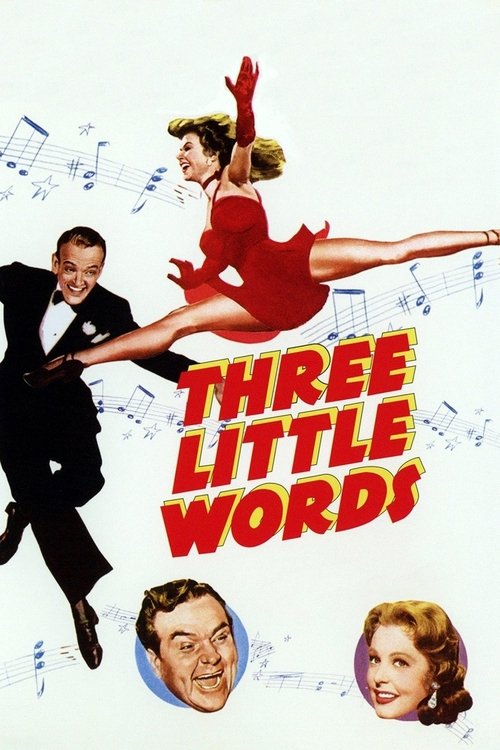
1950
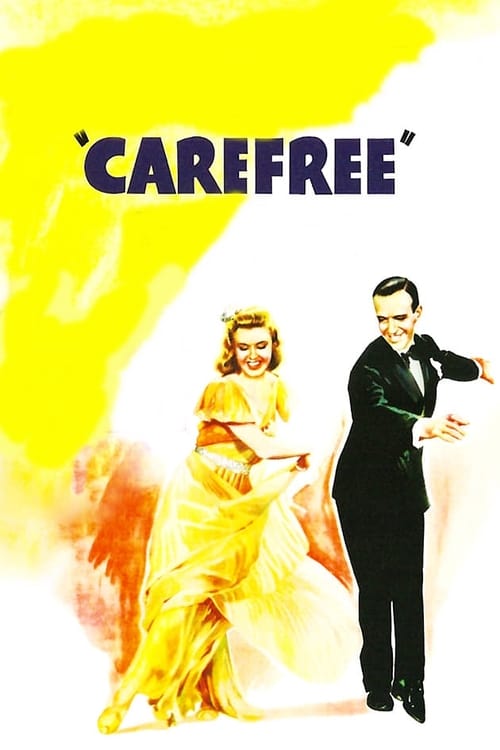
1938
1943
1946
No reviews yet. Be the first to share your thoughts on this movie!
Use the rating form above to leave a star rating and optional review.