Somewhat Secret
1939
No user ratings available yet
Representation score: 2.4 out of 10
Representation Score
Minimal
1935
ApprovedDirector
Edward Ludwig
Runtime
75 minutes
Average Rating
No ratings yetNew Showbiz Analysis
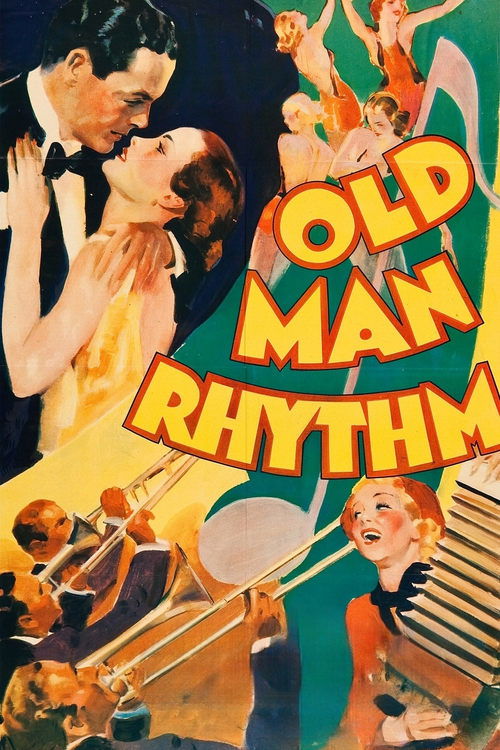
Old Man Rhythm is a conventional mid-1930s comedy that relies on standard genre clichés. The narrative structure focuses on a generational conflict involving romantic rivalries between a father and son within a college setting. The film functions as a traditional period piece rather than a work that challenges social hierarchies. It lacks the complexity needed to provide meaningful characters who reflect more than one aspect of diversity or critique systemic power dynamics. Ultimately, the film prioritizes traditional comedic themes regarding age and social status over diverse or subversive storytelling.
Category Breakdown
The film does not include any LGBTQ+ identities. The romantic rivalry between the father and son suggests a traditional heterosexual relationship.
The story revolves around a male-driven rivalry between a father and his son. This indicates a male-centric structure that likely aligns with the gender norms of the 1930s.
The film likely follows the typical casting practices of 1930s Hollywood, which were not diverse. There is no indication of diverse casting or actors from different racial backgrounds.
The story focuses on traditional social institutions within a collegiate setting. The narrative operates within the conventional social norms of its time.
There is no information available regarding the portrayal of physical or neurodivergent characters in this production.
Present on Screen
Limited or Absent
Official Synopsis
Romantic rivalries between father and son enrolled at the same college.
1939
1954
1945
1933
1939

1928
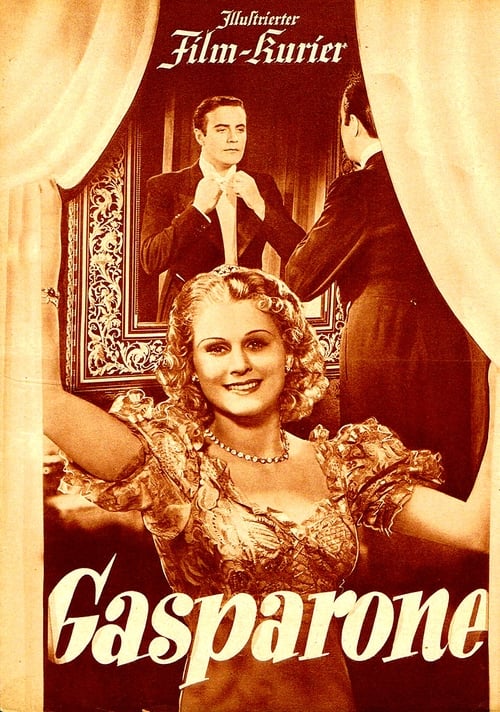
1937

1937
No reviews yet. Be the first to share your thoughts on this movie!
Use the rating form above to leave a star rating and optional review.