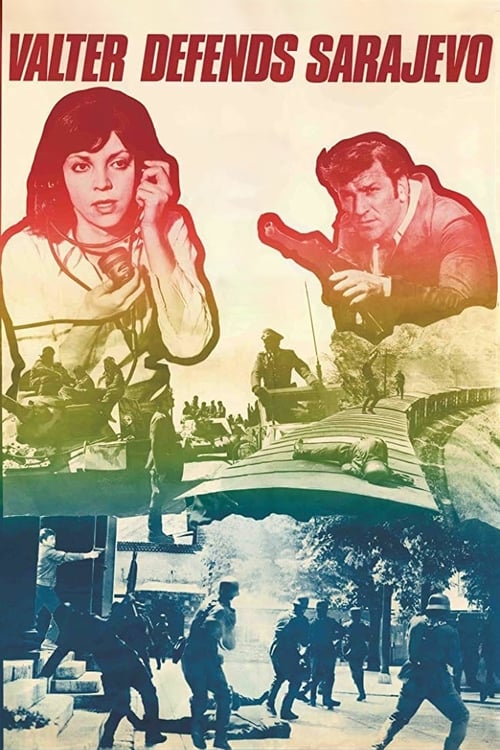
Walter Defends Sarajevo
1972
No user ratings available yet
Representation score: 5.0 out of 10
Representation Score
Fair
1969
Director
Hajrudin 'Šiba' Krvavac
Runtime
105 minutes
Average Rating
No ratings yetNew Showbiz Analysis
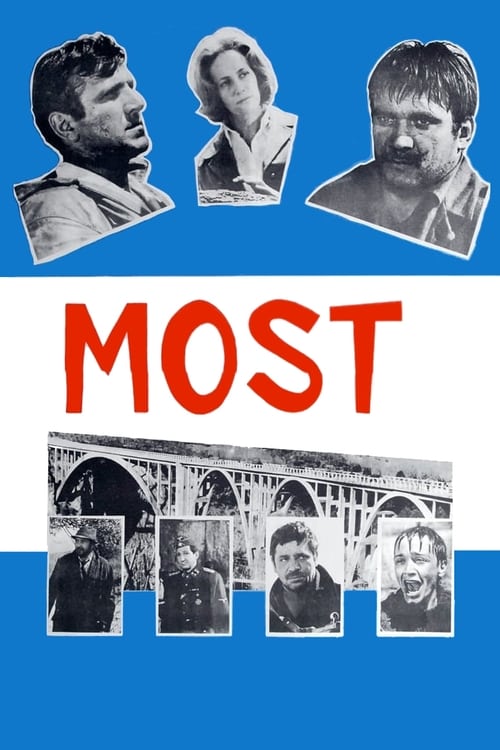
The Bridge is a powerful cinematic exploration of multi-ethnic solidarity. By focusing on a diverse coalition of Yugoslav Partisans, the film effectively challenges ethnic fragmentation and promotes a unified resistance against occupation. However, the film is constrained by the gender norms of its time. The narrative structure prioritizes male combatants, relegating female characters to secondary roles and reinforcing traditional gender divisions. Ultimately, the film succeeds as an ideological critique of occupying powers. It shifts away from individualist clichés to emphasize collective identity and systemic struggle.
Category Breakdown
The film focuses on the strict, functional dynamics of a military resistance unit. There are no characters with non-binary or LGBTQ+ identities, and no same-sex relationships are shown.
The story centers on masculine combat roles and male camaraderie. Women appear in the resistance but are placed in secondary positions relative to the primary military objectives.
The film showcases a multi-ethnic coalition of Serbs, Croats, and Bosniaks. This casting disrupts nationalist narratives and emphasizes a cohesive, diverse collective.
The story aligns with anti-fascist principles, emphasizing socialist ideals of collective action. Resistance is framed as a systemic response to institutionalized aggression.
Characters with disabilities are primarily viewed through the lens of combat utility. There is little representation of neurodivergent individuals or their roles outside of military contexts.
Present on Screen
Limited or Absent
Official Synopsis
In order to check the German offensive, Partizans send an elite team of explosive experts to blow up a strategically important bridge. Besides being heavily guarded, that bridge is almost indestructible and the only man who knows weak spots in the construction is the architect who built it. He is, however, reluctant to cooperate because he doesn't want to see his masterpiece destroyed.
1972
1965
1960
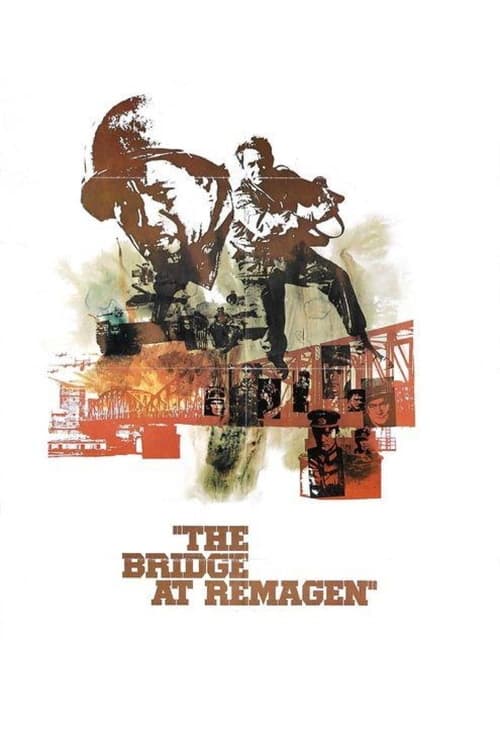
1969
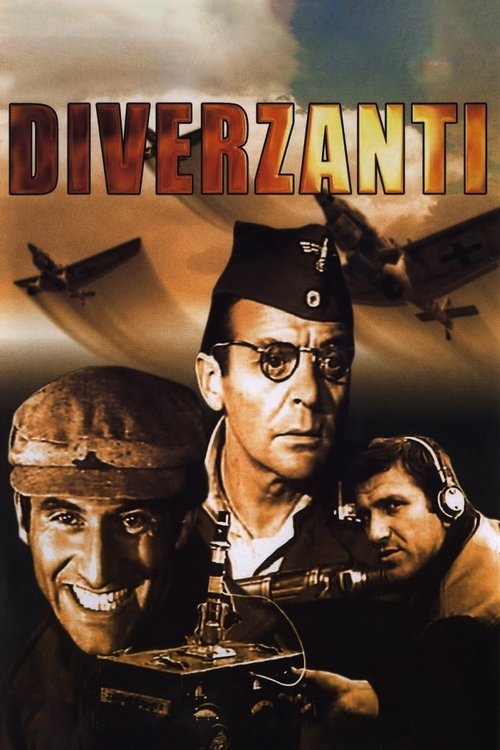
1967
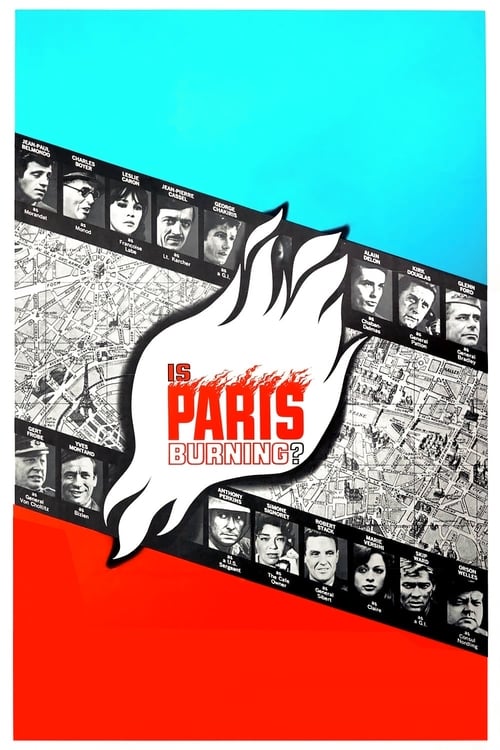
1966
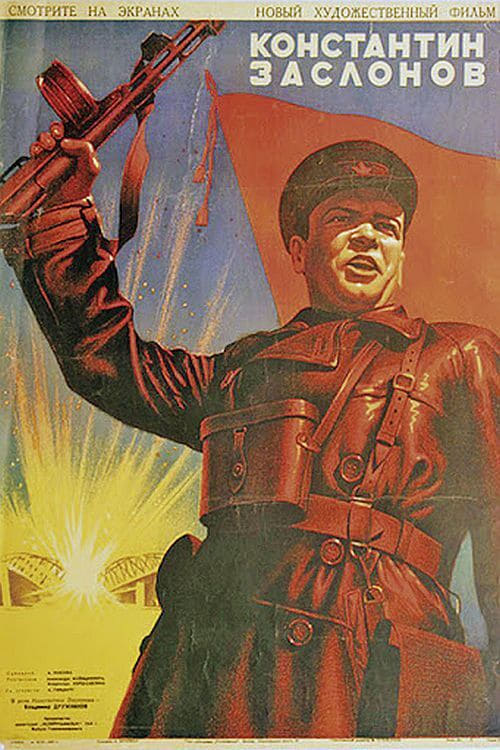
1949
1964
No reviews yet. Be the first to share your thoughts on this movie!
Use the rating form above to leave a star rating and optional review.