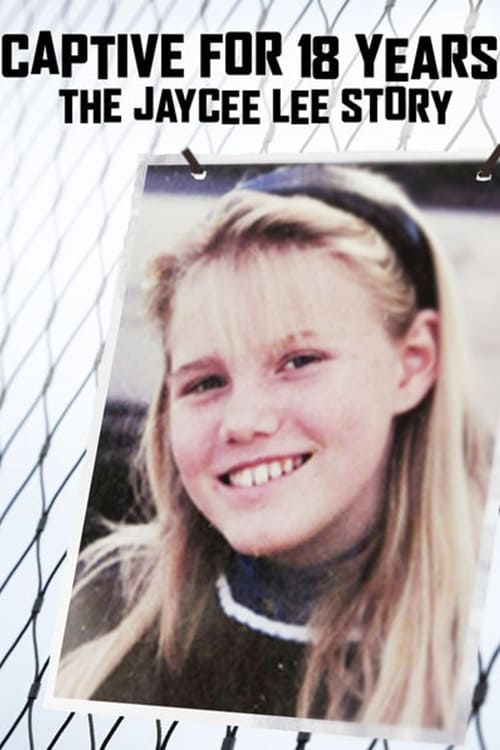
Captive for 18 Years: The Jaycee Lee Story
2009
No user ratings available yet
Representation score: 4.3 out of 10
Representation Score
Limited
2010
Director
David Notman-Watt
Runtime
48 minutes
Average Rating
No ratings yetNew Showbiz Analysis
This documentary centers on a specific, homogeneous historical event in Austria. Since it documents a single criminal case, the cast and narrative structure are closely tied to the perpetrator's home environment. The film's strength lies in its challenge to the 'safe family' cliché. It redefines traditional homes as sites of systemic oppression and unchecked patriarchal violence. Ultimately, the lack of diversity is a result of the biographical focus rather than a lack of narrative complexity.
Category Breakdown
The story focuses on a typical heterosexual relationship cycle. There are no LGBTQ+ characters or non-cisgender identities in the film.
The movie criticizes excessive male dominance and authority. However, female roles are defined by extreme victimization rather than proactive empowerment.
The production reflects a homogeneous European population. It stays true to the specific ethnic context of Austria without mixing in different races.
The film breaks down the idea of the sacred family unit and Western household traditions. It shows the father figure as a predator instead of a protector.
Psychological trauma and mental health issues are shown as results of abuse. They are not portrayed as inherent conditions or neurodivergent traits.
Present on Screen
Limited or Absent
Official Synopsis
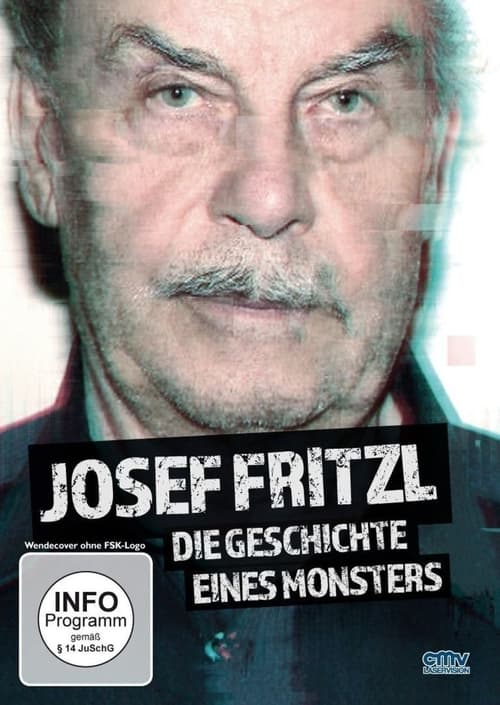
Interviews with family members, doctors, and victims of 73-year-old Josef Fritzl, who held his daughter captive in a basement for 24 years and fathered seven children with her.
2009
2015
2017

2020
2007
2017
2025

2011
No reviews yet. Be the first to share your thoughts on this movie!
Use the rating form above to leave a star rating and optional review.