
The Miranda Murders: Lost Tapes of Leonard Lake and Charles Ng
2017
No user ratings available yet
Representation score: 2.5 out of 10
Representation Score
Good
2025
TV-MADirector
Skye Borgman
Runtime
94 minutes
Average Rating
No ratings yetNew Showbiz Analysis
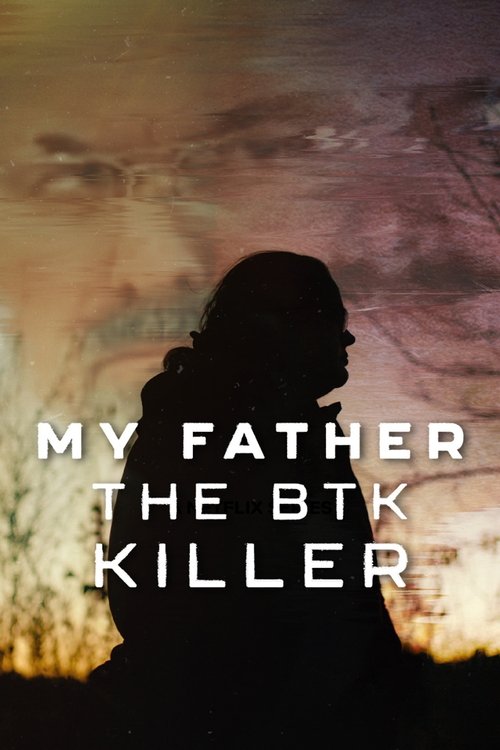
Skye Borgman’s documentary shifts the true crime lens away from the perpetrator's infamy and toward the psychological impact on survivors. By centering Kerri Rawson, the film challenges traditional patriarchal narratives and explores the weaponization of social roles. While the film excels in its nuanced depiction of mental health and the subversion of gendered power structures, it remains limited by its specific biographical focus. The narrative is tied to a localized, homogeneous demographic, which restricts broader racial and ethnic representation. Ultimately, the work succeeds as a character study of trauma and healing, offering a sophisticated look at how systemic deception can fracture the perceived stability of the American family unit.
Category Breakdown
The film does not include any explicit LGBTQ+ characters or themes. It focuses mainly on the biological connection between a perpetrator and his survivor, emphasizing familial trauma.
The documentary challenges traditional patriarchal narratives by centering Kerri Rawson's experience. It reinterprets the father's role as a 'family man' as a deceptive mask for his harmful actions.
The story focuses on the Rader family's history in Wichita, Kansas. The narrative seems to center around a homogeneous demographic without significant non-white casting.
The film questions the sanctity of the traditional American nuclear family by prioritizing psychological realism and the survivor's subjective truth over the perpetrator's social respectability.
The documentary offers meaningful representation of invisible disabilities such as PTSD. It highlights mental health as a central, driving force rather than a peripheral element.
Present on Screen
Limited or Absent
Official Synopsis
Raised by a man leading a monstrous double life, the daughter of the BTK serial killer shares her chilling story.
2017

2024
2017
2015
2019

2026
2014
2017
No reviews yet. Be the first to share your thoughts on this movie!
Use the rating form above to leave a star rating and optional review.