
Dahmer on Dahmer: A Serial Killer Speaks
2017
No user ratings available yet
Representation score: 7.6 out of 10
Representation Score
Limited
2019
TV-14Director
Chris Holt
Runtime
85 minutes
Average Rating
No ratings yetNew Showbiz Analysis
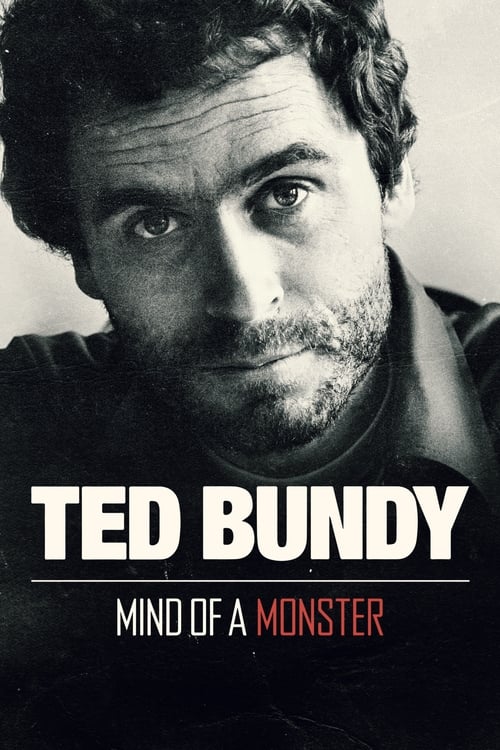
This documentary focuses on psychological profiling and historical records rather than diverse storytelling. Its narrative structure follows a typical crime-and-punishment format without challenging social hierarchies. The film's concentration on the specific criminal profile of Ted Bundy restricts its scope to a historically homogeneous era and a narrow set of victim-perpetrator dynamics. Overall, the work does not aim to promote progressive representation and functions primarily as a specialized study of individual pathology.
Category Breakdown
The film does not include any LGBTQ+ characters or stories. It focuses on the harmful actions of a specific individual, which emphasizes traditional patterns of victimization.
The story centers on male predatory behavior towards female victims. It looks at violent gender hierarchies without giving much depth to female characters beyond their roles as victims.
The documentary seems to focus on a historically homogeneous group. It lacks a diverse range of voices or perspectives from different backgrounds.
The film serves as a forensic investigation of anti-social behavior. It adheres to traditional moral views on crime without challenging Western institutions.
While the film discusses psychological issues, it frames these conditions as part of criminal behavior. There is no portrayal of neurodivergence with real influence or control.
Present on Screen
Limited or Absent
Official Synopsis
New exclusive access and never before heard testimony gives a unique insight into the mind of America's most notorious serial killer, Ted Bundy. Breathtaking archive from the time and the voice of Bundy himself, reveals the monster inside the man.
2017
2003

2017

2024
2015
2020
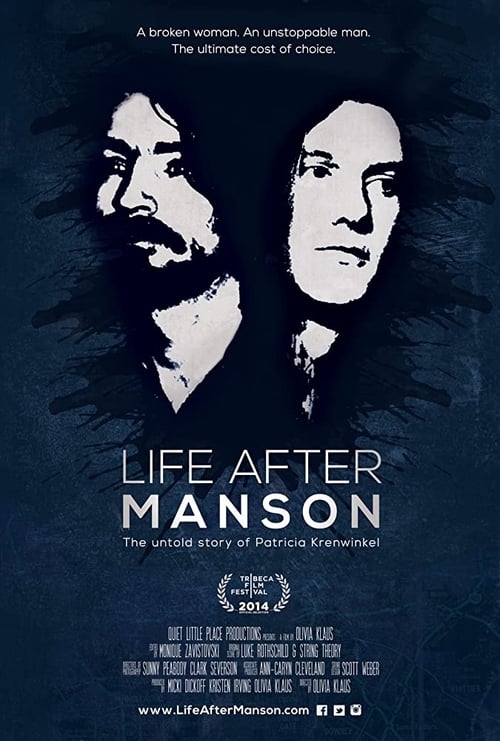
2014
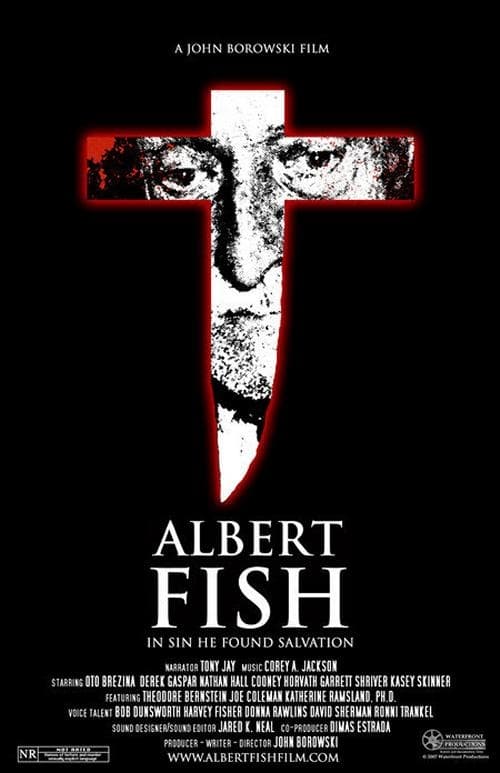
2007
No reviews yet. Be the first to share your thoughts on this movie!
Use the rating form above to leave a star rating and optional review.