
Carl Panzram: The Spirit of Hatred and Vengeance
2011
No user ratings available yet
Representation score: 5.7 out of 10
Representation Score
Limited
2007
NRDirector
John Borowski
Runtime
86 minutes
Average Rating
No ratings yetNew Showbiz Analysis
This documentary emphasizes the study of individual pathology and historical crime over systemic representation. The narrative structure is designed to explore the breakdown of social and familial structures through a grim, biographical lens. While the film provides a complex critique of how religious frameworks can be manipulated, it lacks intentionality regarding demographic inclusion. It focuses on a specific historical criminal profile rather than progressive social commentary. Ultimately, the film serves as a study of moral relativism and psychological dysfunction, offering little engagement with diverse identities or constructive critiques of gender roles.
Category Breakdown
The film examines sexual behaviors that are considered abnormal through the lens of pathology and criminal psychopathy. It does not include LGBTQ+ characters with significant roles, instead using sexual deviance to mark individuals as social outcasts.
The story focuses on harmful behavior targeting vulnerable members of society. Masculinity is shown solely as destructive, highlighting the collapse of traditional protective social structures and family units.
The film is a localized biography set during the Great Depression in New York City. It portrays a homogeneous social environment typical of the era's documented criminal history without evidence of diverse casting.
The documentary dismantles religious institutions by depicting the perpetrator's misuse of Christian themes. It explores how religious doctrines can be twisted to justify immoral actions and moral relativism.
The subject's mental state is described strictly through the lens of criminal deviancy and horror. There is no meaningful portrayal of neurodivergence or disability with dignity or ability to act.
Present on Screen
Limited or Absent
Official Synopsis
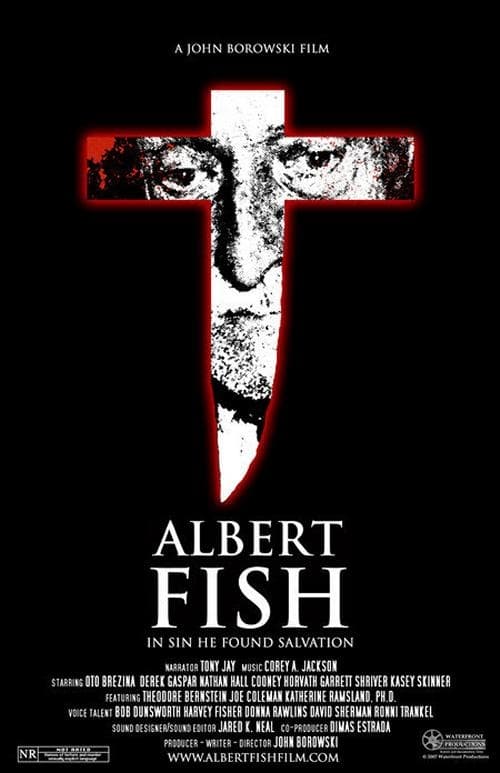
Albert Fish, the horrific true story of elderly cannibal, sadomasochist, and serial killer, who lured children to their deaths in Depression-era New York City. Distorting biblical tales, Albert Fish takes the themes of pain, torture, atonement and suffering literally as he preys on victims to torture and sacrifice.
2011

2003
2004

2006
2019
1996

2017

2017
No reviews yet. Be the first to share your thoughts on this movie!
Use the rating form above to leave a star rating and optional review.