Monster: The Josef Fritzl Story
2010
No user ratings available yet
Diversity score: 3.0 out of 10
2015
Director
Brian Hill
Runtime
95 minutes
Average Rating
No ratings yetSynopsis
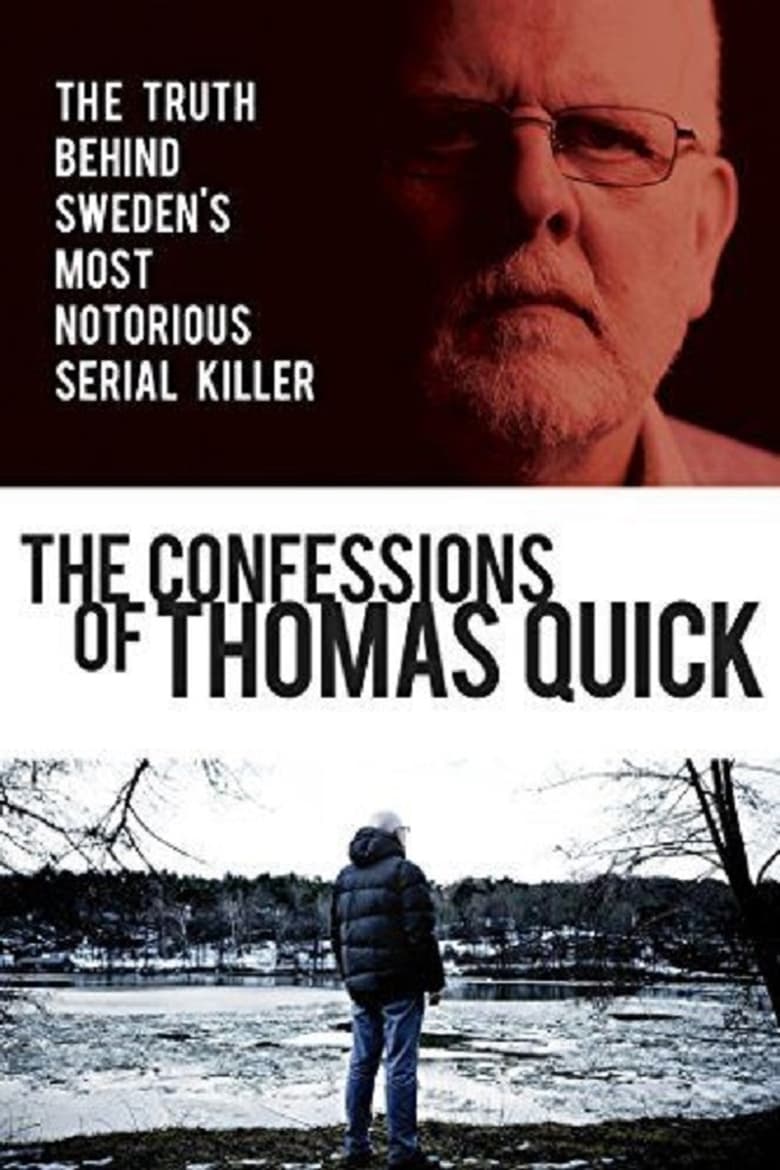
A loner from an early age, Thomas Quick went on to become Sweden's most notorious serial killer, openly confessing to the gruesome murders of more than 30 people. Held for decades in a psychiatric institute, Quick's confessions emerged after years working with a group of touchy feely therapists, convinced that the recovery of memories would cure patients of their criminality. In a country with a low crime rate, the nation watched with horror as Quick's confessions mounted, accounting for many of the country's unsolved murders. With testimonials from a range of people whose lives have been dominated by this story - including Quick himself - and dramatic reenactment, Brian Hill weaves a stylish noir thriller that works a treat on the big screen. What appears at first to be a tale of unimaginable evil evolves into something much more layered as Hill digs deep into the motivations behind those working closely with Quick.
Overall Score
Limited
Category Breakdown
LGBTQ+ Representation
The documentary contains no LGBTQ+ characters or narratives. The storytelling remains focused exclusively on the criminal investigation and the psychological mechanics of the confessions.
Gender Representation
The narrative is driven primarily by male subjects, including the perpetrator, investigators, and therapists. It lacks significant female agency or the subversion of traditional masculine roles.
Racial & Ethnic Diversity
The film reflects the demographic homogeneity of its Swedish setting. There is no evidence of diverse ethnic perspectives, as the story is tethered to a specific domestic judicial context.
Religious & Cultural Diversity
The film offers a sophisticated critique of Western institutional authority. It portrays judicial and medical establishments as susceptible to systemic error and psychological manipulation.
Disability Representation
The film engages deeply with neurodivergence and mental health through criminal psychology. It avoids tropes by focusing on the clinical implications of psychological vulnerability and systemic failure.
Strengths
Areas for Improvement
AI Analysis
The film functions as a psychological autopsy of a systemic failure rather than a study in demographic breadth. It prioritizes the deconstruction of institutional authority over intersectional representation. While the documentary lacks LGBTQ+ and racial diversity, it provides a nuanced look at how psychological suggestion can compromise the pursuit of truth. The focus remains on the Swedish legal and psychiatric landscapes. Ultimately, the work succeeds as a procedural thriller that challenges the perceived infallibility of Western legal structures, even if its cast remains demographically narrow.
2010
1989
2013
2014

2025
2019

2011

2007

2016
2009
2014

1975
No reviews yet. Be the first to share your thoughts on this movie!
Use the rating form above to leave a star rating and optional review.