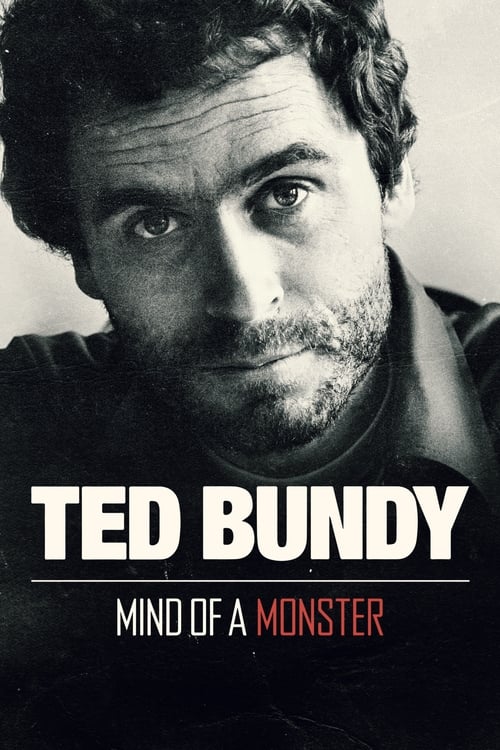
Ted Bundy: Mind of a Monster
2019
No user ratings available yet
Representation score: 3.3 out of 10

Representation Score
Good
2017
Runtime
87 minutes
Average Rating
No ratings yetNew Showbiz Analysis
This documentary goes beyond the typical true-crime format by exploring the intersection of race, sexuality, and institutional neglect. It critically examines how systemic failures in Milwaukee led to persistent crimes against underrepresented men. The film's key strength lies in its deep exploration of racial dynamics and systemic legal failures, particularly how race and sexuality intersect to create institutional voids. However, the narrow focus on male-centric criminal pathology results in limited female representation and engagement with disability or neurodivergence.
Category Breakdown
The film focuses on the experiences of men within the LGBTQ+ community, highlighting the vulnerabilities and dynamics specific to same-sex relationships among victims.
The narrative primarily revolves around male-to-male dynamics and lacks significant roles for women. It does not challenge traditional gender hierarchies.
The documentary highlights the exclusion of Black and Latino men by legal systems, emphasizing the systemic failures of law enforcement in protecting these communities.
The film critiques Western institutions such as the police and medical establishments, portraying them as negligent and flawed through the lens of criminal history.
The film minimally addresses disability, focusing instead on the psychological state of the perpetrator for true-crime analysis without providing meaningful engagement with individuals facing mental health issues.
Present on Screen
Limited or Absent
Official Synopsis
Two-and-a-half decades ago, a man from Milwaukee named Jeffrey Dahmer was tried and convicted of 17 gruesome murders that occurred between 1978 and 1991. Dahmer was convicted of luring young men into his home, where he then drugged, sexually violated, killed and finally consumed them. Investigative journalist Nancy Glass secured exclusive access and the first televised interview with the famous serial killer. Dahmer on Dahmer: A Serial Killer Speaks catapults viewers into Jeffrey Dahmer's psyche, providing a unique look at the life of a serial killer that shook the nation.
2019

2003

2015

2017
2014
2014

2007

2011
No reviews yet. Be the first to share your thoughts on this movie!
Use the rating form above to leave a star rating and optional review.