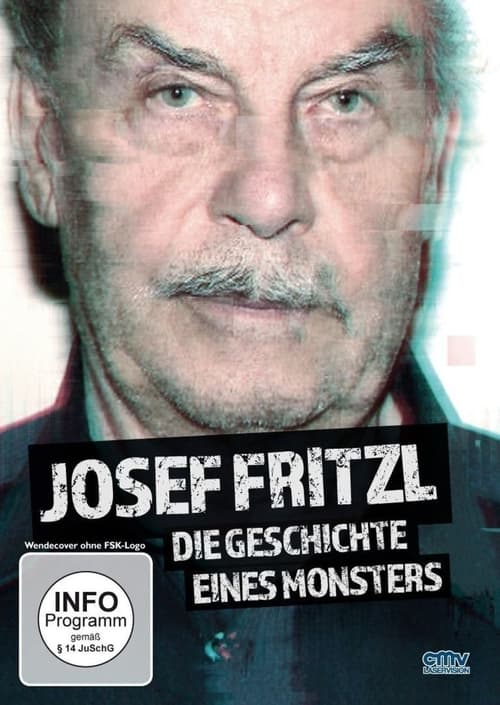
Monster: The Josef Fritzl Story
2010
No user ratings available yet
Representation score: 2.7 out of 10
Representation Score
Fair
2009
Director
Nick London
Runtime
49 minutes
Average Rating
No ratings yetNew Showbiz Analysis
This documentary-style film is a straightforward retelling of a well-documented historical event. It focuses on factual storytelling rather than challenging societal norms. While it offers a strong narrative driven by a female protagonist, its narrow focus limits its ability to explore broader social issues. Ultimately, it serves as a traditional true-crime reconstruction without engaging in deeper critiques of systemic issues.
Category Breakdown
There are no LGBTQ+ characters or storylines in the film, which means it doesn't address issues related to sexual orientation or gender identity.
The film centers around a female protagonist and her survival journey. It highlights her resilience but does not challenge traditional gender roles.
The story focuses on a specific historical event involving a white individual. It lacks diverse casting and representations of different races.
The film follows a traditional crime-and-consequence storyline. It does not question Western cultural institutions or highlight anti-Western sentiments.
The film deals with severe psychological trauma from prolonged captivity. It focuses on the victim's experience without exploring the ability to act of those with disabilities.
Present on Screen
Limited or Absent
Official Synopsis
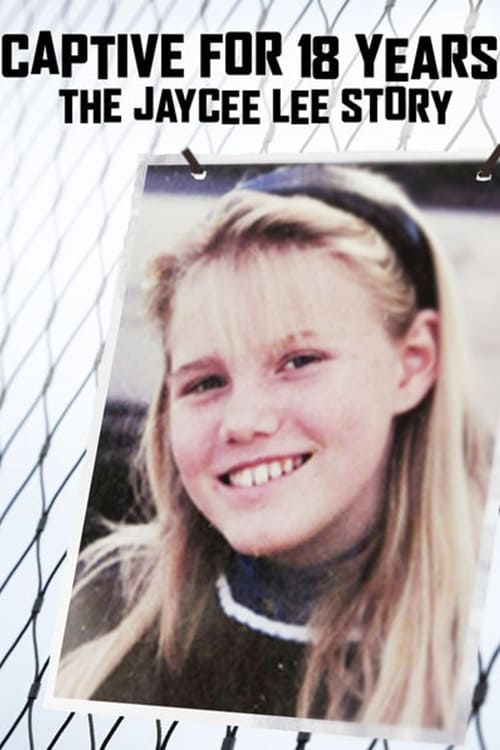
The story of Jaycee Lee Dugard, a girl who was kidnapped outside a school bus stop and found alive eighteen years later.
2010
2015

2016
2013
2013
2017

2017
2013
No reviews yet. Be the first to share your thoughts on this movie!
Use the rating form above to leave a star rating and optional review.