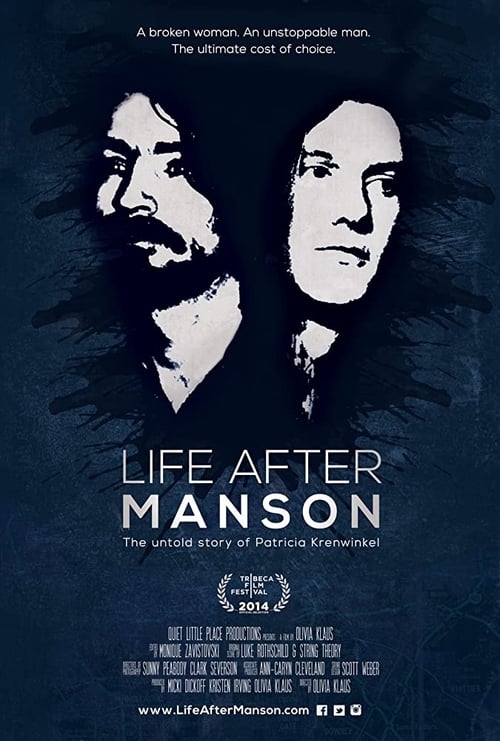
Life After Manson
2014
No user ratings available yet
Representation score: 7.0 out of 10

Representation Score
Limited
2009
PG-13Director
Neil Rawles
Runtime
91 minutes
Average Rating
No ratings yetNew Showbiz Analysis
Manson serves as a detailed historical document rather than a vehicle for modern social advocacy. It provides a nuanced, first-person account of a period of intense social upheaval through the eyes of a survivor. The film's strength lies in its ability to shift the perspective of a well-known crime story toward female empowerment. By focusing on Linda Kasabian, it moves away from the typical male-centric focus of the genre. However, the documentary is limited by its specific historical subject matter. It lacks broader multi-layered depth and does not engage with a wide range of diverse identities or contemporary social themes.
Category Breakdown
The documentary focuses on the interpersonal dynamics of the Manson Family and the legal aftermath of the murders. It contains no evidence of LGBTQ+ narratives or non-cisgender identities.
The film provides a platform for women's empowerment by centering Linda Kasabian's perspective. This shifts the focus away from traditional crime stories that typically revolve around male figures.
The narrative focuses on the internal workings of the cult and Kasabian's testimony. It primarily centers on a historically documented white counter-culture group, limiting its scope to this specific demographic.
The film explores the breakdown of traditional family structures and radical ideologies. It examines the tension between mainstream Western values and fringe movements of the era.
There is no discernible focus on neurodivergence, physical disabilities, or mental health as a central theme of the documentary.
Present on Screen
Limited or Absent
Official Synopsis
Linda Kasabian, Charles Manson follower and former 'Family' member details her life at the Ranch and the final days leading up to the grisly 1969 Tate/La Bianca murders.
2014

2017

2014
2019

1989
2019
2025

2017
No reviews yet. Be the first to share your thoughts on this movie!
Use the rating form above to leave a star rating and optional review.