
T-Men
1947
No user ratings available yet
Representation score: 0.5 out of 10
Representation Score
Minimal
1948
NRDirector
William Keighley
Runtime
91 minutes
Average Rating
No ratings yetNew Showbiz Analysis
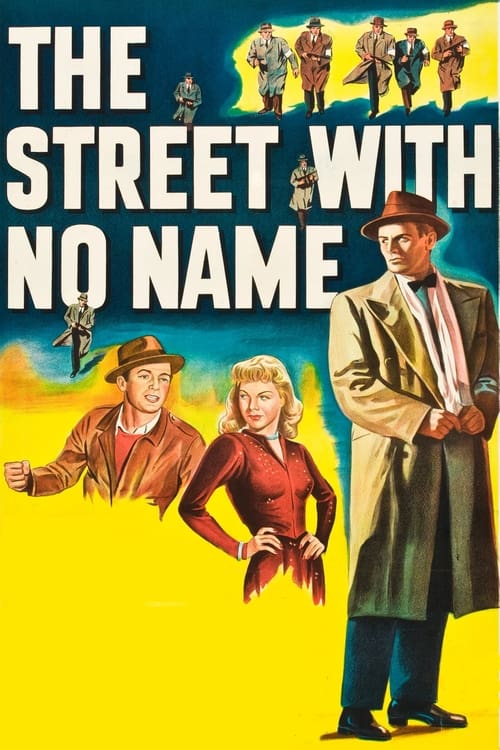
The Street with No Name is a classic mid-century crime thriller that prioritizes genre clichés over diverse representation. The narrative is driven by male-dominated institutions like the FBI and criminal hierarchies, leaving little room for varied perspectives. Socially, the film reflects the era's tendency toward homogeneity. It focuses on the moral complexities of undercover work and the stability of the state, rather than exploring the intersection of multiple identities or cultural nuances. Ultimately, the film serves as a period piece that upholds the social and gender norms of the late 1940s, lacking the complexity needed for a modern diversity profile.
Category Breakdown
The film focuses on masculine-coded spheres such as law enforcement and organized crime, offering no visible representation of LGBTQ+ identities or narratives that challenge the assumption that everyone is straight or cisgender.
The narrative centers around a traditional patriarchal framework, emphasizing male control and influence while women are largely absent from the central conflict and have limited ability to act.
The film portrays a homogeneous social environment typical of 1940s crime noir, focusing on socioeconomic issues rather than racial or ethnic diversity, with a predominantly white cast.
The thematic focus is on the tension between institutional authority and criminal subversion, reinforcing the necessity of the FBI to maintain order, aligned with traditional views of institutional stability.
There is no evidence of characters with visible or invisible disabilities being integrated into the story. Disability is not used as a central theme or character-driven element.
Present on Screen
Limited or Absent
Official Synopsis
After two gang-related killings in "Center City," a suspect (who was framed) is arrested, released on bail...and murdered. Inspector Briggs of the FBI recruits a young agent, Gene Cordell, to go undercover in the shadowy Skid Row area (alias George Manly) as a potential victim of the same racket. Soon, Gene meets Alec Stiles, neurotic mastermind who's "building an organization along scientific lines." Stiles recruits Cordell, whose job becomes a lot more dangerous.
1947
1949
1952
1949

1951
1951

1955
1948
No reviews yet. Be the first to share your thoughts on this movie!
Use the rating form above to leave a star rating and optional review.