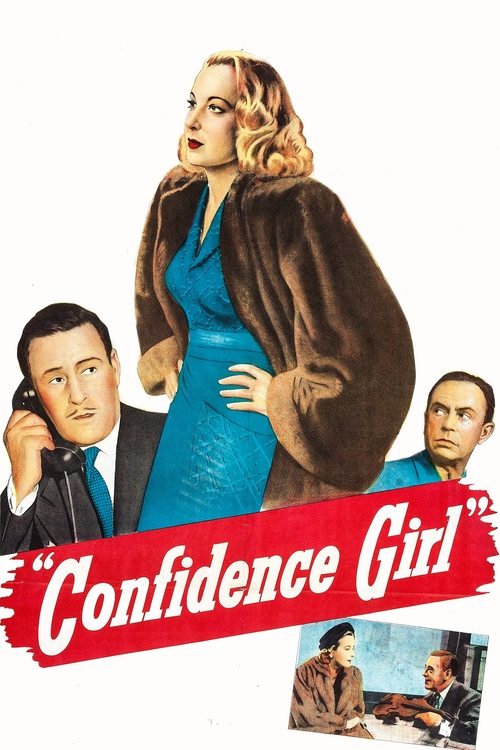
Confidence Girl
1952
No user ratings available yet
Representation score: 2.0 out of 10

Representation Score
Minimal
1956
ApprovedDirector
William Asher
Runtime
62 minutes
Average Rating
No ratings yetNew Showbiz Analysis
Mobs, Inc. is a typical mid-century crime procedural that emphasizes maintaining social order. The narrative structure revolves around male-dominated law enforcement, reinforcing traditional hierarchies of authority and masculinity. The film lacks complexity in representing different aspects of identity, focusing instead on stopping criminal syndicates. It operates within the conventional social frameworks of 1956, offering little disruption to systemic clichés or traditional gender roles. Ultimately, the work reinforces institutional norms without challenging them, presenting a narrow view of the era's social landscape.
Category Breakdown
The film does not depict any LGBTQ+ identities or same-sex relationships. It follows the assumption that everyone is straight and cisgender, which was common in 1950s crime movies.
The story centers on Captain Braddock and his male cadets, giving them narrative authority. Women are limited to a 'dance hall girl' role, portrayed as a criminal element to be stopped.
The story focuses on Los Angeles and a Trans-Atlantic journey but does not include a diverse cast. It seems to reflect the homogeneous casting standards of the mid-1950s.
The plot supports Western institutions and protects commerce. It functions as a procedural that upholds traditional views of law and order.
The film does not include or portray characters with physical or neurodivergent disabilities.
Present on Screen
Limited or Absent
Official Synopsis
Captain Braddock of the Los Angeles Racket Squad schools a group of cadet policemen by telling them of three precarious and dangerous cases of con artistry. Included are tracking down a dance hall girl, who, together with a big operative, are thwarted in attempting a robbery; a racketeer fleecing a book publisher on a Trans-Atlantic voyage, and the tripping up of the plans of a phony land syndicate.
1952
1950
1957
1972

1951
1951

1954
1948
No reviews yet. Be the first to share your thoughts on this movie!
Use the rating form above to leave a star rating and optional review.