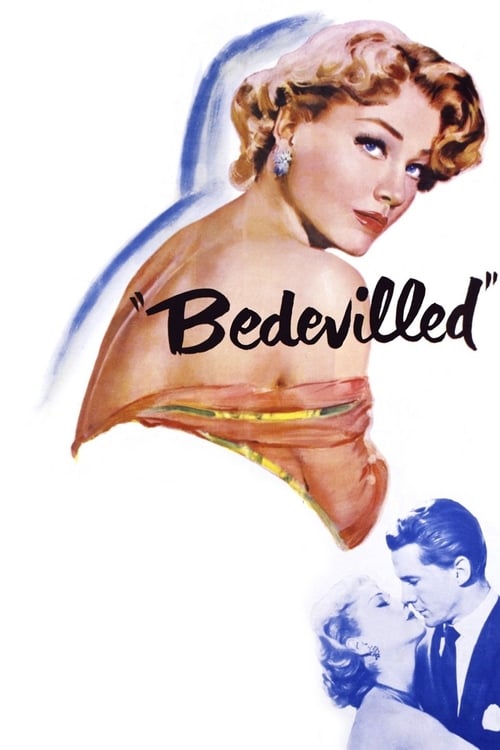
Bedevilled
1955
No user ratings available yet
Representation score: 1.8 out of 10

Representation Score
Minimal
1950
NRDirector
Felix E. Feist
Runtime
81 minutes
Average Rating
No ratings yetNew Showbiz Analysis
The film reflects its time period, serving as a traditional character study. It emphasizes individual psychological tension over broader social or systemic issues, adhering closely to the norms of the 1950s. The narrative structure reinforces mid-century social hierarchies without challenging or expanding upon the demographic or ideological status quo of the era. Ultimately, the film offers a glimpse into a homogeneous society, emphasizing personal integrity and moral failure within a narrow, traditional framework.
Category Breakdown
The film follows a traditional storyline focused on romantic obsession without including any non-binary gender identities or narratives that challenge societal norms.
The female lead plays a crucial role, but the story emphasizes the male perspective and traditional masculine control over the plot.
The cast and setting depict a homogeneous society typical of the 1950s era. The story lacks visible racial or ethnic diversity, focusing on white, upper-class social circles.
The film centers on individual morality without critiquing broader institutional structures. It upholds a traditional moral framework without challenging Western institutions.
The film does not depict any physical, sensory, or neurodivergent disabilities. Characters are portrayed as having standard physical and mental abilities.
Present on Screen
Limited or Absent
Official Synopsis
A veteran homicide detective who has witnessed his socialite girlfriend kill her husband sees his inexperienced brother assigned to the case.
1955

1944

1952

1944

1953
1948
1953
1946
No reviews yet. Be the first to share your thoughts on this movie!
Use the rating form above to leave a star rating and optional review.