Find another title
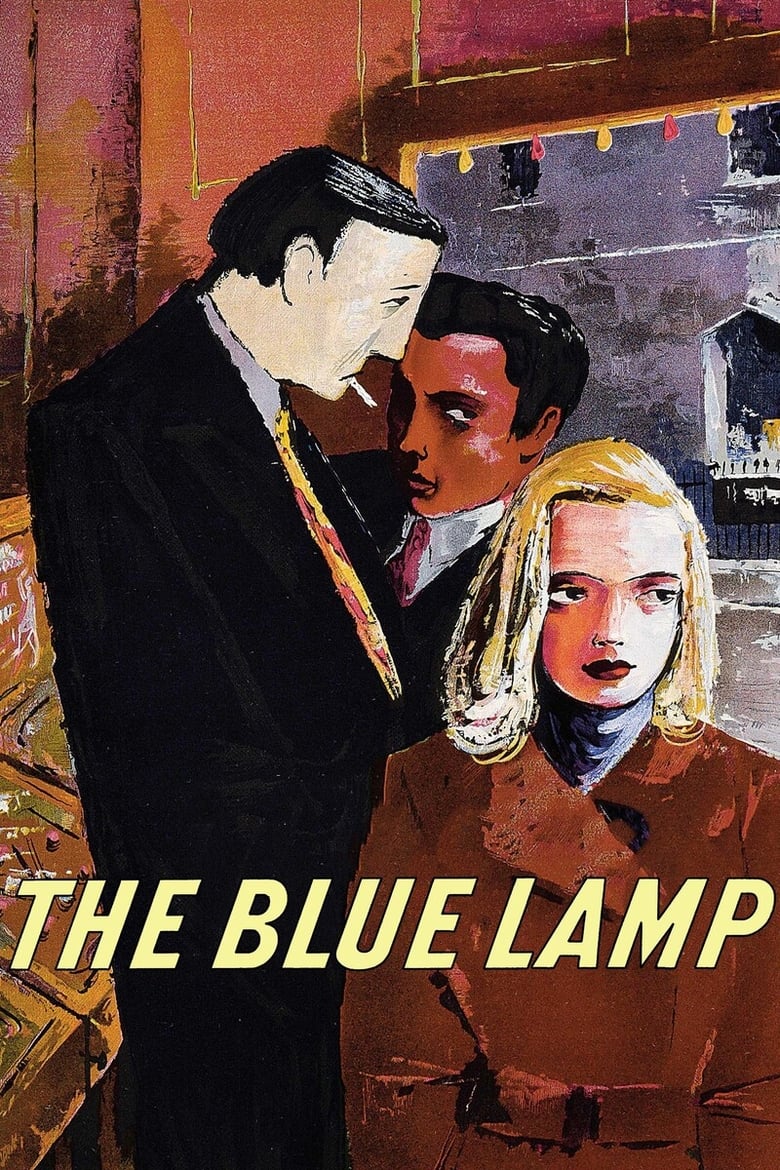
The Blue Lamp
1950
ApprovedDirector
Basil Dearden
Runtime
84 minutes
Average Rating
No ratings yetSynopsis
P.C. George Dixon is a long-serving traditional copper who is due to retire shortly. He takes a new recruit under his aegis and introduces him to the easy-going night beat. Dixon is a classic ordinary hero but also anachronistic, unprepared and unable to answer the violence of the 1950s.
Where to Watch
Diversity & Representation
Overall Score
Minimal
Category Breakdown
LGBTQ+ Representation
The film operates within a strictly heteronormative framework. There are no depictions of non-cisnormative identities or same-sex dynamics present in the narrative.
Gender Representation
The story follows a male-centric structure focused on the police force. Women remain on the periphery, reinforcing traditional gender hierarchies of the era.
Racial & Ethnic Diversity
The depiction of working-class London is largely homogeneous. The film lacks intentionality regarding racial intersectionality or the inclusion of non-white characters.
Religious & Cultural Diversity
The narrative reinforces the legitimacy of British legal institutions. It avoids moral relativism, instead upholding the sanctity of law and order and Western social structures.
Disability Representation
There is no discernible representation of physical or neurodivergent disabilities. Characters are defined solely by their functional roles as officers or criminals.
Strengths
- Provides a significant historical look at the evolution of the British police procedural genre.
- Offers a clear, focused portrait of mid-century social stability and institutional authority.
Areas for Improvement
- Lacks meaningful representation of racial, ethnic, or LGBTQ+ identities.
- Relies on a male-centric narrative that relegates women to the periphery.
- Fails to address or represent physical or neurodivergent disabilities.
AI Analysis
The Blue Lamp functions as a foundational police procedural that prioritizes the preservation of institutional authority. It presents a portrait of mid-century social stability, adhering strictly to the prevailing norms of 1950s Britain. The film relies on a traditionalist framework to validate the 'ordinary hero.' By focusing on the stabilization of social order, it avoids challenging systemic hierarchies or exploring complex social identities. Ultimately, the work serves as a historical marker for the crime genre rather than a vehicle for intersectional representation. It reinforces established social roles through a narrow, homogeneous lens.
Rate this Movie
Reviews
No reviews yet. Be the first to share your thoughts on this movie!
Use the rating form above to leave a star rating and optional review.