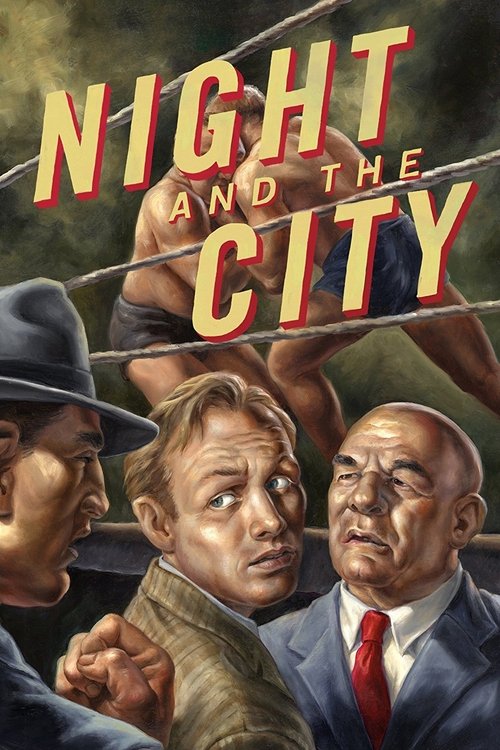
Night and the City
1950
No user ratings available yet
Representation score: 2.2 out of 10
Representation Score
Minimal
1949
ApprovedDirector
Jules Dassin
Runtime
94 minutes
Average Rating
No ratings yetNew Showbiz Analysis
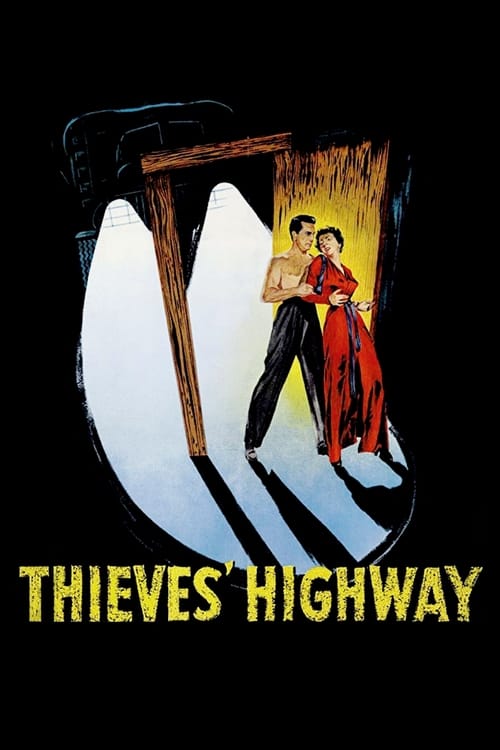
Thieves' Highway is a period-specific crime drama that emphasizes socioeconomic tension over demographic diversity. The film's strength lies in its subversion of traditional moral clichés, framing criminal behavior through the lens of economic necessity. However, the film remains rooted in the social compositions of its era. It lacks modern markers of identity-based representation, focusing instead on a specific, homogeneous working-class subculture. Ultimately, the narrative explores the complexities of survival within a challenging post-war landscape, offering a nuanced critique of systemic economic structures rather than a diverse cast.
Category Breakdown
The film does not feature any LGBTQ+ characters or non-straight relationships. The interpersonal dynamics focus solely on heterosexual relationships and male camaraderie.
The narrative is dominated by male characters, with women serving mainly as catalysts for the male protagonists' actions. The story centers around male conflicts and ability to act.
The ensemble is largely homogeneous, reflecting the demographic constraints of a 1949 crime drama. There is a lack of significant minority representation or intentional casting diversity.
The film offers a sophisticated engagement with moral relativism and situational ethics. It portrays criminality as a response to harsh post-war economic realities rather than inherent malice.
There are no prominent depictions of visible or invisible disabilities within the primary character arcs.
Present on Screen
Limited or Absent
Official Synopsis
Nick Garcos comes back from his tour of duty in World War II planning to settle down with his girlfriend, Polly Faber. He learns, however, that his father was recently beaten and burglarized by mob-connected trucker Mike Figlia, and Nick resolves to get even. He partners with prostitute Rica, and together they go after Mike, all the while getting pulled further into the local crime underworld.
1950
1940
1952
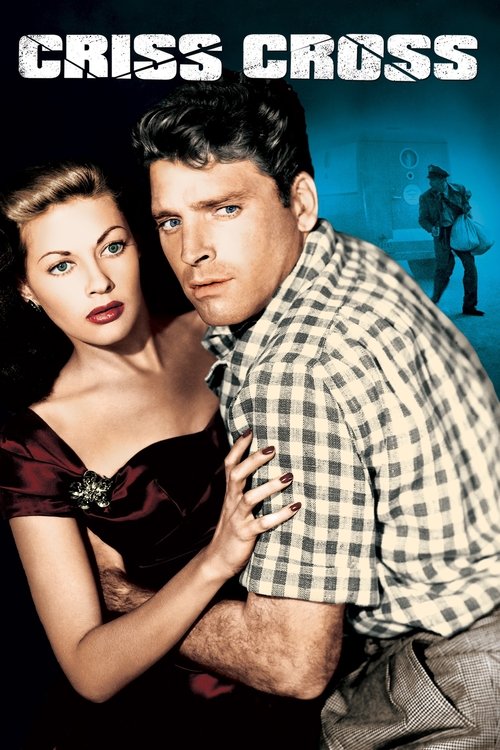
1949
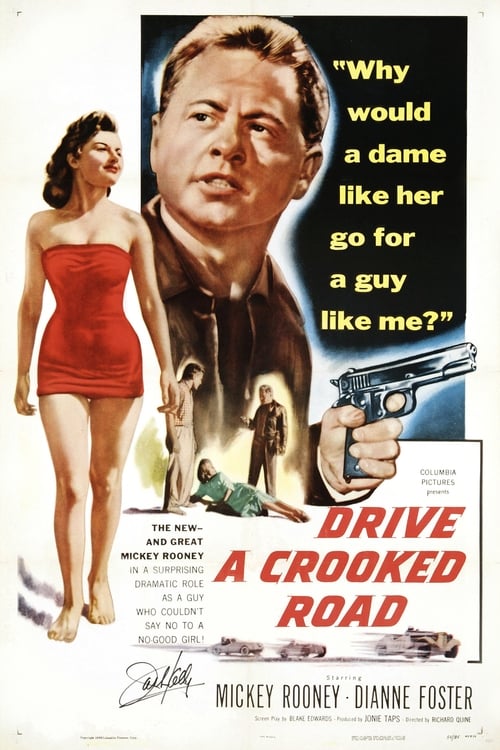
1954
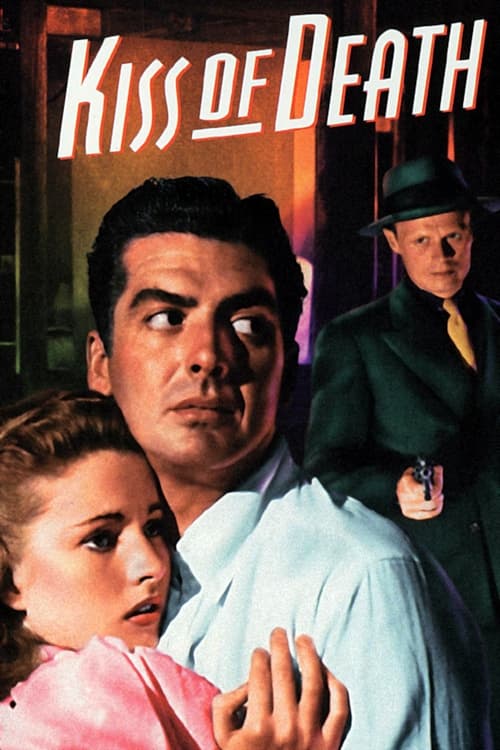
1947

1955
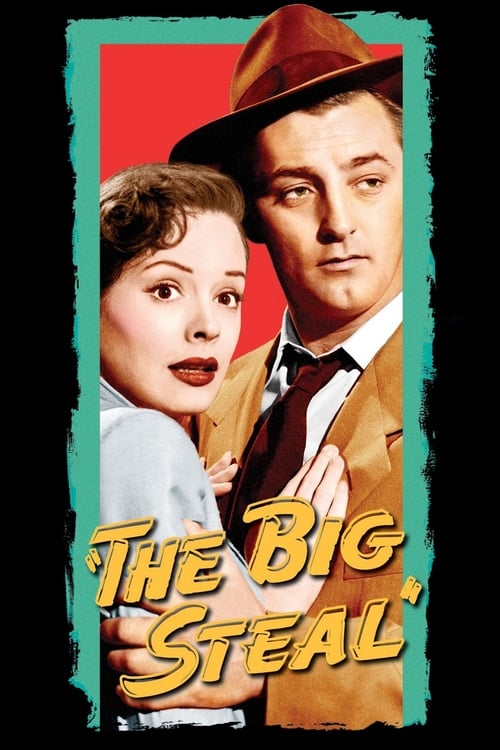
1949
No reviews yet. Be the first to share your thoughts on this movie!
Use the rating form above to leave a star rating and optional review.