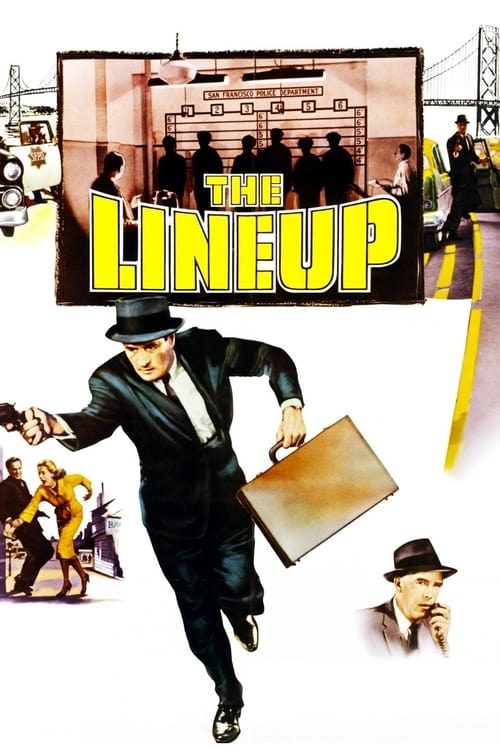
The Lineup
1958
No user ratings available yet
Representation score: 0.3 out of 10
Representation Score
Limited
1971
PG-13Director
Don Medford
Runtime
108 minutes
Average Rating
No ratings yetNew Showbiz Analysis
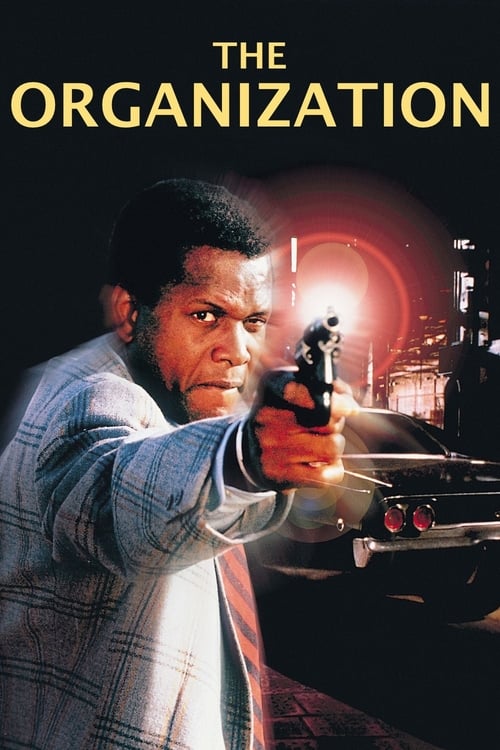
The Organization reflects the historical context of 1971, emphasizing procedural mechanics and geopolitical tensions. The narrative structure adheres to traditional paradigms, focusing on the stability of state-sanctioned intelligence agencies. Representation is largely homogeneous, reinforcing mid-century social hierarchies. Power is concentrated among male characters, and the central plot does not engage significantly with diverse racial or LGBTQ+ identities. Ultimately, the film upholds institutional order rather than challenging systemic power dynamics.
Category Breakdown
The film does not feature any characters with non-binary or transgender identities. The story focuses on heterosexual relationships typical of the time period.
Male characters take leading roles in the field operations, while female characters support them. This reinforces traditional gender roles where men hold positions of power.
The story centers on a predominantly white cast, reflecting the era's espionage standards. There is no significant emphasis on characters from non-white backgrounds.
The narrative upholds the legitimacy of Western state institutions without questioning traditional authority structures. It emphasizes the stability of these systems.
The film does not address neurodivergence or physical disabilities. Characters are portrayed as physically capable agents without any specific disabilities.
Present on Screen
Limited or Absent
Official Synopsis
After a group of young revolutionaries break into a company's corporate headquarters and steal $5,000,000 worth of heroin to keep it off the street, they call on San Francisco Police Lieutenant Virgil Tibbs for assistance.
1958
1972
1973

1972
1974

1972
1970

1973
No reviews yet. Be the first to share your thoughts on this movie!
Use the rating form above to leave a star rating and optional review.