Springtime Serenade
1935
No user ratings available yet
Diversity score: 2.7 out of 10

1936
ApprovedDirector
Walter Lantz
Runtime
7 minutes
Average Rating
No ratings yetSynopsis
Oswald the Rabbit and his little brother catch the Slumberland Express and it carries the assorted animals to childhood's dream of paradise - an amusement park where all the games are free, and windows are provided just to be broken by an abundant supply of free rocks, and old men wear silk hats to provide targets for snowballs. But Oswald's little brother wanders into Nightmare Land where terror reigns; the soap and comb and brush and toothpaste that plague a child's existence come to life.
Overall Score
Limited
Category Breakdown
LGBTQ+ Representation
The film lacks any representation of LGBTQ+ identities. The story focuses on a traditional sibling bond between Oswald and his brother.
Gender Representation
The narrative is heavily male-centric, focusing on Oswald and his brother. Female characters are entirely absent from the dreamscape adventure.
Racial & Ethnic Diversity
Characters are depicted as assorted animals, which offers no clear evidence of racial or ethnic diversity. It follows the homogeneous standards of 1930s animation.
Religious & Cultural Diversity
The setting subverts social decorum through slapstick chaos and the breaking of property. It frames domestic hygiene tools as terrifying elements in Nightmare Land.
Disability Representation
There is no evidence of characters with physical or neurodivergent disabilities. The focus remains on standard slapstick archetypes.
Strengths
Areas for Improvement
AI Analysis
Slumberland Express is a quintessential product of 1930s animation, prioritizing slapstick humor and traditional character dynamics over social complexity. The narrative centers on a male-driven journey through dreamscapes, reinforcing the era's standard gender imbalances and familial structures. While the film offers a playful subversion of social order—depicting a world where property rules are suspended—this functions as comedic chaos rather than a meaningful critique of social institutions. The lack of diverse character coding or intersectional representation keeps the film firmly within the period's conventional boundaries. Ultimately, the work relies on anthropomorphic animals and traditional archetypes, providing little in the way of progressive representation or cultural depth.
1935
1937
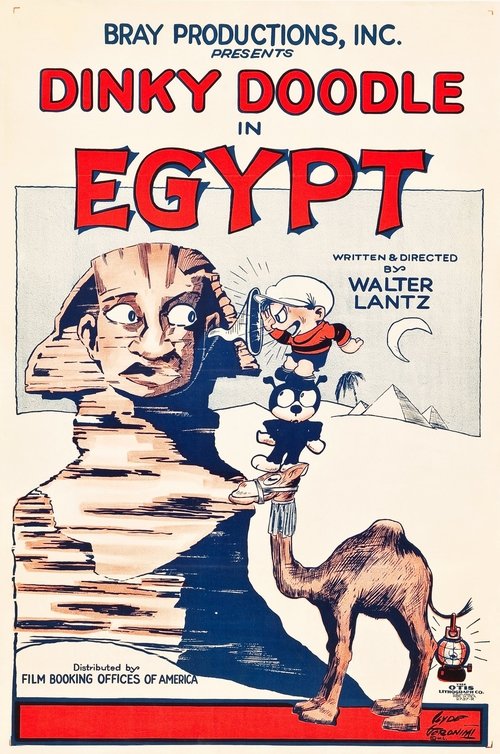
1926
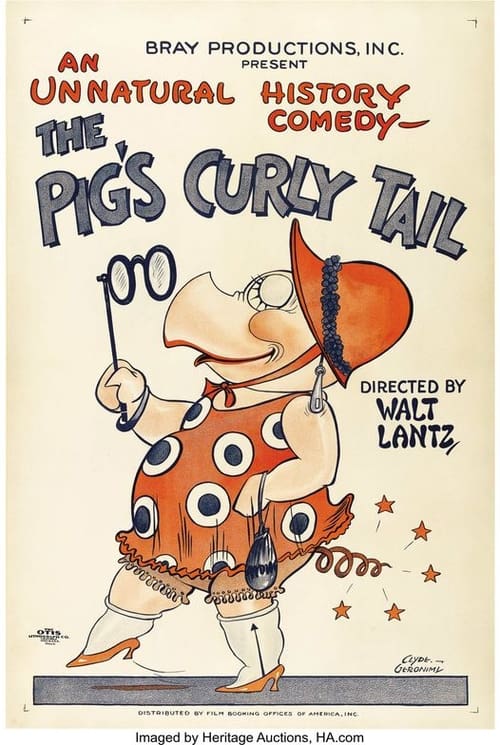
1926
1935
1936
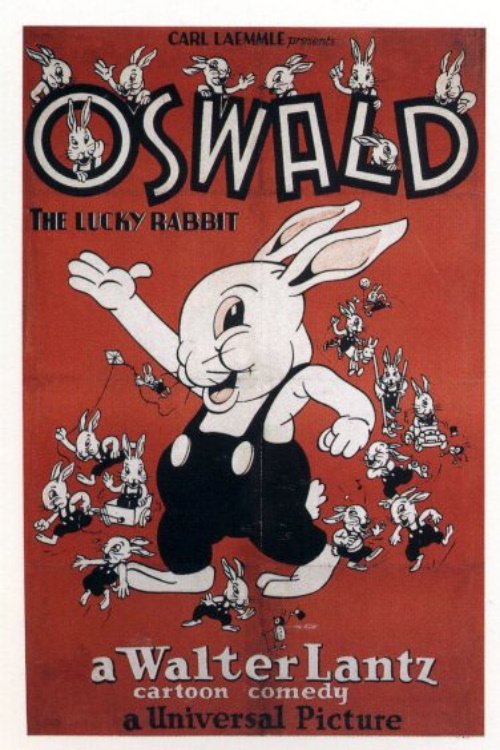
1935
1935
1931
1925
1933
1945
No reviews yet. Be the first to share your thoughts on this movie!
Use the rating form above to leave a star rating and optional review.