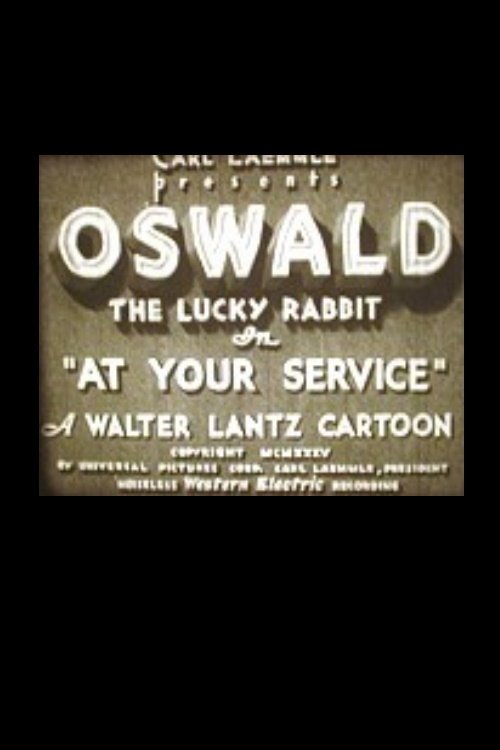
At Your Service
1935
No user ratings available yet
Representation score: 0.7 out of 10
Representation Score
Limited
1936
ApprovedDirector
Walter Lantz
Runtime
7 minutes
Average Rating
No ratings yetNew Showbiz Analysis
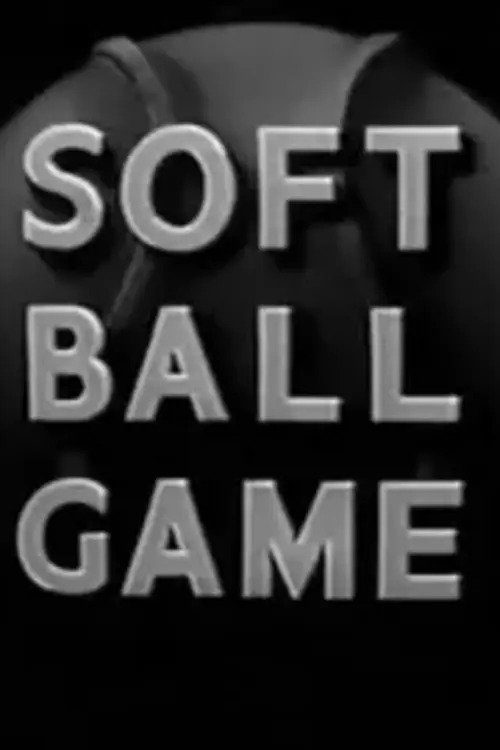
Soft Ball Game is a product of the 1936 animation industry, prioritizing slapstick comedy over social representation. The film follows the episodic structures typical of Walter Lantz's early work, focusing on physical humor rather than identity issues. The narrative lacks depth regarding diverse identities, instead reflecting the norms of its era. It reinforces traditional social hierarchies and Western community structures through its depiction of organized sports. Ultimately, the film serves as a historical artifact of early American animation, where character's ability to drive the story is secondary to the requirements of slapstick comedy.
Category Breakdown
The film does not depict any non-binary or same-sex relationships. It follows the traditional slapstick comedy style common in the 1930s.
Female characters likely play minor or decorative roles within the story. The competitive sports setting may reinforce traditional gender roles and limit opportunities for women.
The film reflects a historical era with mostly homogeneous characters and lacks racial diversity. It does not include the characters who reflect more than one aspect of diversity found in modern animation.
The film emphasizes traditional Western social structures and norms of the 1930s. It highlights the stability of community activities such as organized sports.
Physical disabilities are used as comedic elements rather than authentic representations of lived experiences. Characters do not seem to have much control over their physical conditions.
Present on Screen
Limited or Absent
Official Synopsis
A Walter Lantz Oswald the Lucky Rabbit cartoon released January 27, 1936.
1935
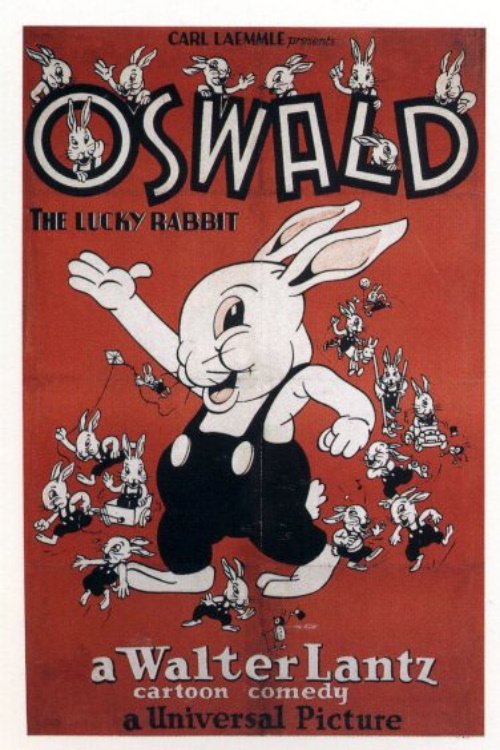
1935
1934
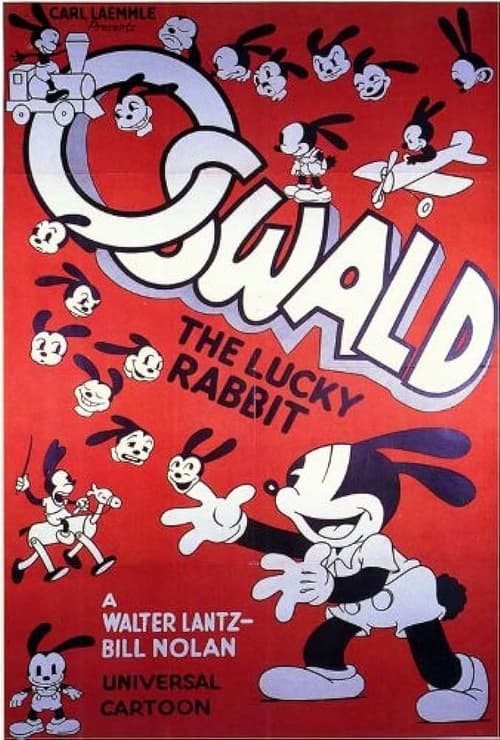
1933
1935
1934
1931
1931
No reviews yet. Be the first to share your thoughts on this movie!
Use the rating form above to leave a star rating and optional review.