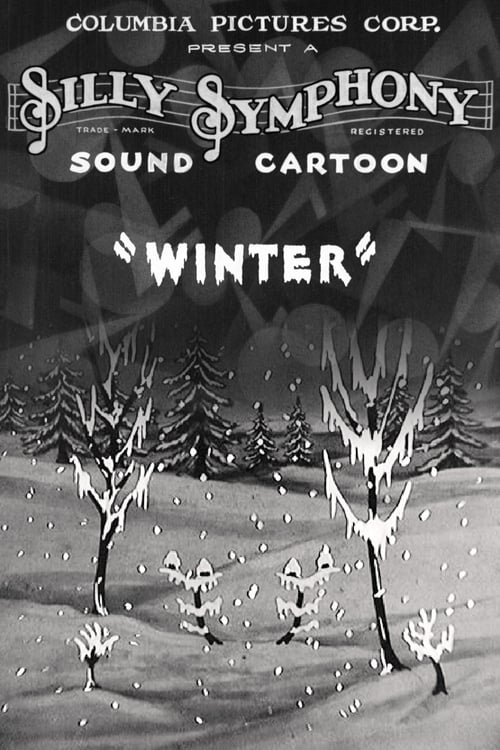
Winter
1930
No user ratings available yet
Representation score: 2.3 out of 10
No Poster Available
Representation Score
Minimal
1935
ApprovedDirector
Walter Lantz
Runtime
8 minutes
Average Rating
No ratings yetNew Showbiz Analysis
Springtime Serenade is a product of 1930s animation conventions, prioritizing stable, seasonal storytelling over social complexity. The narrative structure reinforces traditional domestic structures through the depiction of the Oswald Rabbit family. While the film utilizes anthropomorphic characters, it lacks depth in representing multiple aspects of identity. The focus remains on a predictable cycle of nature and folklore, offering no significant challenges to established social hierarchies or identities. Ultimately, the film serves as typical entertainment of its era, adhering to conventional social models rather than challenging them through diverse character development.
Category Breakdown
The film focuses on a traditional domestic unit featuring Mr. and Mrs. Oswald Rabbit. It lacks characters with non-traditional gender identities or narratives that question the assumption that everyone is straight or cisgender.
The story centers on a nuclear family within a traditional domestic setting. It does not show women or men taking significant roles in driving the story or challenging gender hierarchies.
Characters consist of anthropomorphic animals in a standard woodland environment. The narrative does not use species to represent specific racial or ethnic identities.
The plot follows a predictable, seasonal folklore structure regarding nature. It reinforces traditional family structures rather than deconstructing them.
No characters are depicted with visible or invisible disabilities. The narrative lacks representation of neurodivergence or chronic health conditions.
Present on Screen
Limited or Absent
Official Synopsis
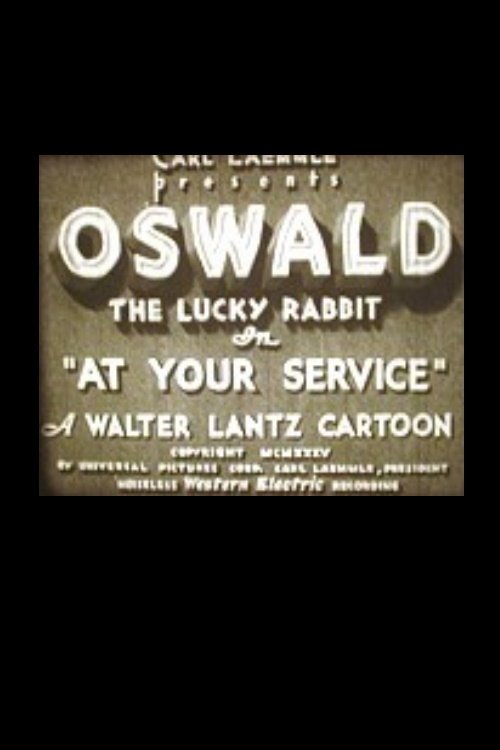
Mr. and Mrs. Oswald Rabbit are preparing their summer home, confident that winter has ended. Professor Groundhog, unable to see his shadow, predicts several more weeks of cold weather. The rabbit-family and their woodland neighbors choose to disbelieve the groundhog's pessimistic forecast, until suddenly it begins to snow and the forest animals are driven back into hibernation.
1930
1934
1935
1935
1936
1930
1939

1927
No reviews yet. Be the first to share your thoughts on this movie!
Use the rating form above to leave a star rating and optional review.