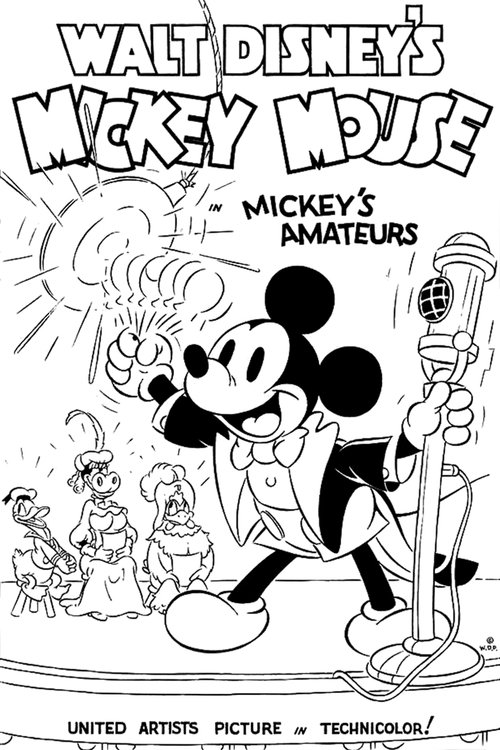
Mickey's Amateurs
1937
No user ratings available yet
Representation score: 0.3 out of 10
No Poster Available
Representation Score
Minimal
1931
PassedDirector
Walter Lantz, William Nolan
Runtime
6 minutes
Average Rating
No ratings yetNew Showbiz Analysis
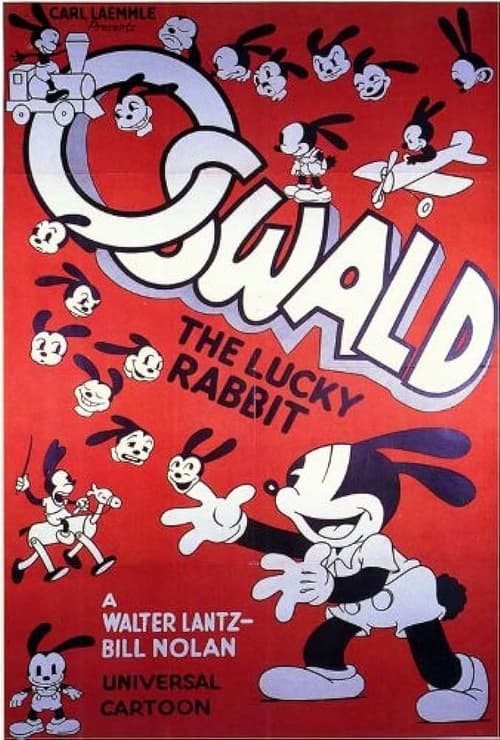
Radio Rhythm is a character-driven short that emphasizes the novelty of radio broadcasting and slapstick comedy. The narrative revolves around Oswald the Lucky Rabbit managing a solo radio station in a forest setting. The film adheres to the established comedic clichés of early 1930s animation, lacking multi-layered complexity. Representation is limited to a singular protagonist performing professional tasks within a traditional social framework. Ultimately, the film reflects the representational constraints of its era, favoring situational humor over the disruption of social hierarchies or diverse character archetypes.
Category Breakdown
The film does not include any characters with LGBTQ+ identities or same-sex relationships. The story focuses solely on the main character's professional life without any queer subtext.
The story centers around a single male protagonist. There are no female characters to assess gender dynamics or power structures.
The forest setting features anthropomorphic animals in a typical fable environment. There is no indication of multicultural casting or diverse ethnic representations.
The story depicts a character functioning within a whimsical, functional social structure. It does not challenge Western cultural or religious norms.
There is no information about characters with physical, sensory, or neurodivergent traits. The film does not provide any representation of characters with disabilities.
Present on Screen
Limited or Absent
Official Synopsis
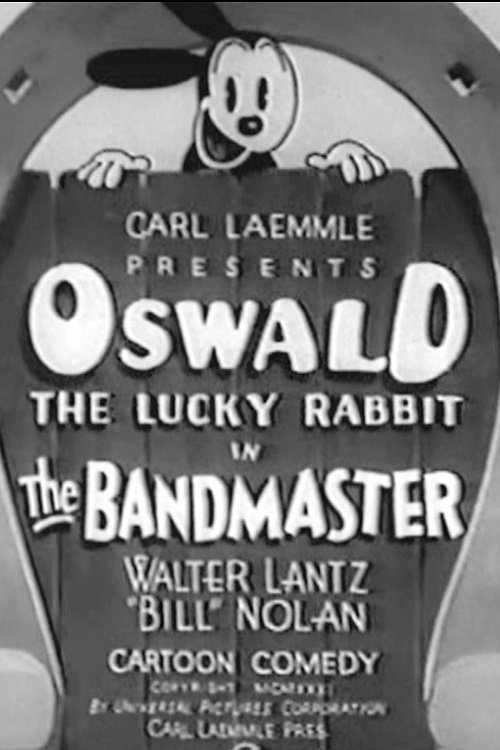
Oswald is running a one-rabbit radio station, and all the other animals are listening in on their forest radios. Oswald does the announcing, acting and other programming jobs.
1937
1934
1933
1935
1935
1936
1931
1931
No reviews yet. Be the first to share your thoughts on this movie!
Use the rating form above to leave a star rating and optional review.