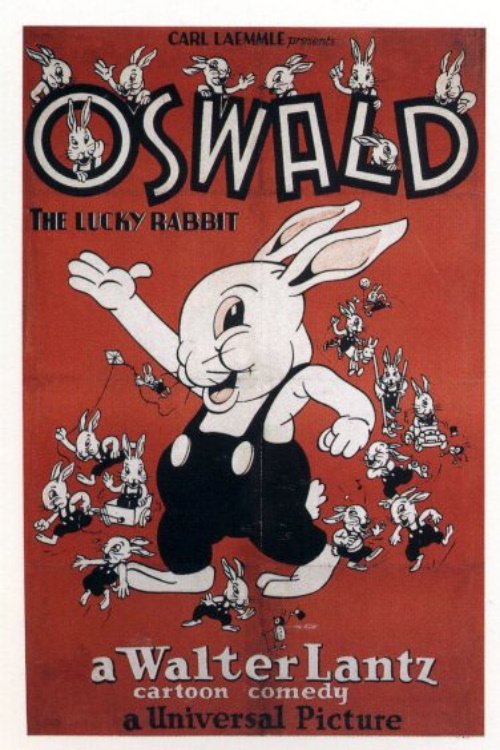
Case of the Lost Sheep
1935
No user ratings available yet
Representation score: 0.7 out of 10
Representation Score
Minimal
1935
ApprovedDirector
Walter Lantz
Runtime
10 minutes
Average Rating
No ratings yetNew Showbiz Analysis
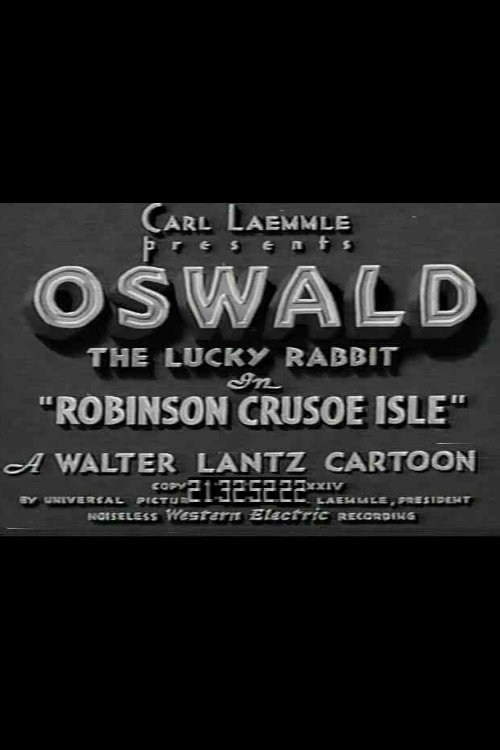
This Oswald the Lucky Rabbit short is a product of its time, deeply embedded in the traditional frameworks of 1930s American animation. The narrative structure likely reinforces established social and cultural hierarchies rather than challenging them. The film lacks intentionality regarding diverse representation. It functions within a colonialist motif that centers on a singular protagonist, a common cliché of the era's Western-centric storytelling. Ultimately, the work provides no significant disruption to conventional social expectations, reflecting the era's reliance on standard formulas and traditional character roles.
Category Breakdown
The short adheres to the conventions that assume everyone is straight or cisgender, typical of 1930s animation. There is no evidence of queer visibility or critiques of traditional social structures.
Character roles follow traditional lines common to the era. The film lacks challenges to gender hierarchies or conventional masculinity.
The production likely relies on reductive caricatures and lacks diverse casting. The colonialist motif centers on a singular protagonist in a foreign space.
The narrative aligns with Western-centric storytelling and individualist survival. It reinforces a traditional hero's journey rather than deconstructing Western institutions.
There is no verifiable evidence of characters with visible or invisible disabilities. No such characters appear to serve as plot devices.
Present on Screen
Limited or Absent
Official Synopsis
An Oswald the Lucky Rabbit cartoon.
1935
1935
1933
1934
1936
1934
1931
1928
No reviews yet. Be the first to share your thoughts on this movie!
Use the rating form above to leave a star rating and optional review.