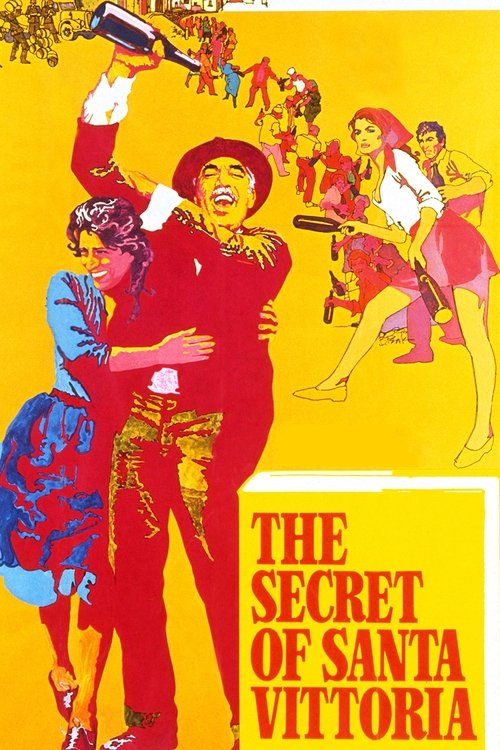
The Secret of Santa Vittoria
1970
No user ratings available yet
Representation score: 2.1 out of 10

Representation Score
Limited
1947
Director
Luigi Zampa
Runtime
87 minutes
Average Rating
No ratings yetNew Showbiz Analysis
To Live in Peace is a work of social realism that focuses on class-based critique rather than demographic diversity. It dismantles the stability of Western institutions like the military and state during crises. The film's strength lies in its portrayal of the peasantry as the primary lens for viewing systemic failures. It prioritizes socioeconomic truth over idealized wartime heroism. However, the film falls short in terms of modern characters who reflect more than one aspect of diversity, particularly in racial, LGBTQ+, and disability metrics due to its historical and regional focus.
Category Breakdown
There are no LGBTQ+ narratives or non-cisgender identities in the film. It focuses solely on the material realities of post-war survival.
Women play key roles in caring for families and surviving the aftermath of war. However, the central plot revolves around the masculine experiences of combat and captivity.
The cast is ethnically uniform, reflecting the local setting of rural Umbria. The narrative highlights the social constraints faced by the Italian peasantry.
The film effectively critiques established power structures and systemic neglect. It emphasizes the struggles of the disenfranchised over nationalistic or religious ideals.
Characters with disabilities have limited ability to act in the story. While the film acknowledges the physical toll of war, disability is not a central part of character identity.
Present on Screen
Limited or Absent
Official Synopsis
An American prisoner, hidden by some Umbrian farmers, meets, drunk, with a German soldier who is also drunk. The two believe that the war is over and embrace each other emotionally. But it is not so and soon the cannon will thunder. Uncle Tigna, who was hiding the prisoner and two of his companions, will fall victim to the Nazis.
1970

1975
1966

1946

1962
1999
1960

1990
No reviews yet. Be the first to share your thoughts on this movie!
Use the rating form above to leave a star rating and optional review.