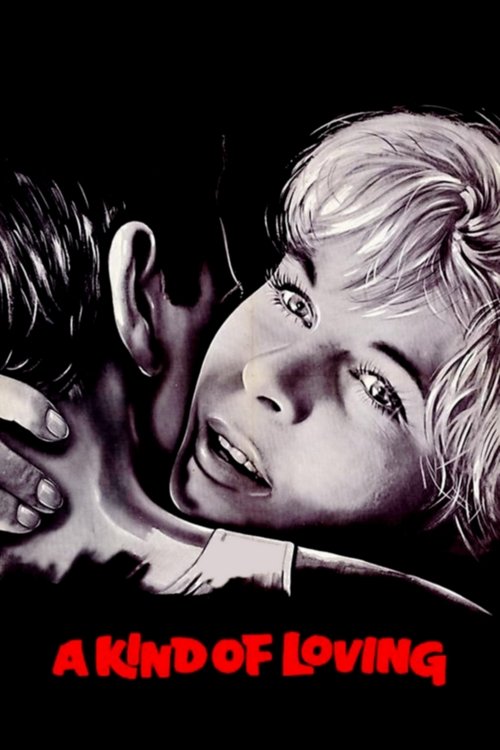
A Kind of Loving
1962
No user ratings available yet
Representation score: 2.9 out of 10
Representation Score
Fair
1962
Director
Bryan Forbes
Runtime
126 minutes
Average Rating
No ratings yetNew Showbiz Analysis
The film explores social subversion, particularly through its progressive treatment of gender. By highlighting Jane's autonomy and her defiance of mid-century reproductive norms, it challenges the era's patriarchal structures. However, the film lacks demographic diversity. It remains confined to the racial and sexual homogeneity of its time, offering limited representation for LGBTQ+ individuals or diverse ethnic groups. Ultimately, the film's strength lies in its critique of oppressive social morality rather than its inclusivity of underrepresented groups. It emphasizes class-based social stratification and female autonomy over broad representation.
Category Breakdown
The story centers on heterosexual relationships and the complications of unwed pregnancy. It does not include LGBTQ+ characters or those with non-traditional gender identities.
Jane resists societal pressures regarding marriage and abortion, giving her significant influence over the plot. The film shifts focus from male-driven resolutions to female autonomy, criticizing restrictive patriarchal structures.
The cast is mainly white, mirroring the demographic uniformity of 1962 London. The narrative does not address racial or ethnic diversity.
The film criticizes the hypocrisy of Western social institutions and portrays community moral standards as oppressive. It favors the protagonist's personal morality over strict social rules.
The film does not focus on physical or neurodivergent disabilities. Loneliness is portrayed as a universal human condition rather than a specific depiction of disability.
Present on Screen
Limited or Absent
Official Synopsis
Jane is young, French, pregnant and unmarried. Bucking convention, she is uninterested in settling with her baby's father or getting an abortion. After renting a room in a dingy London boarding house, Jane befriends the odd group of inhabitants and starts an affair with one boarder, Toby. As Jane's pregnancy threatens her new relationship, and the reality of single motherhood approaches, she is forced to decide what to do about both her baby and her budding romance.
1962

1953
1967
1961
1978
1964

1960

1987
No reviews yet. Be the first to share your thoughts on this movie!
Use the rating form above to leave a star rating and optional review.