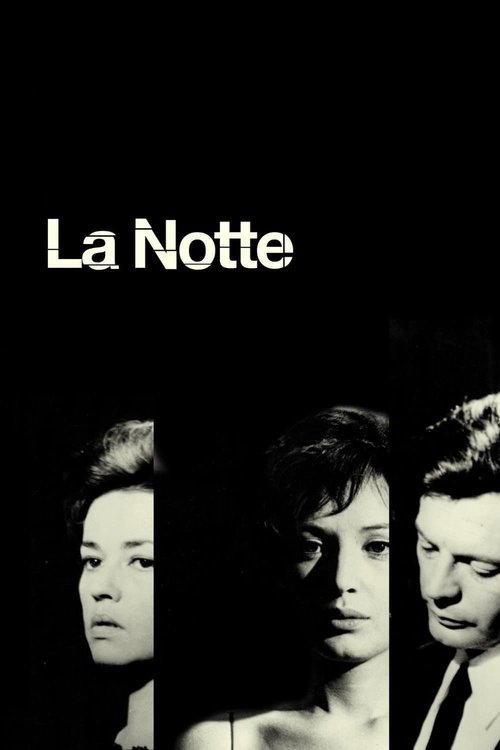
La Notte
1961
No user ratings available yet
Representation score: 4.0 out of 10
Representation Score
Fair
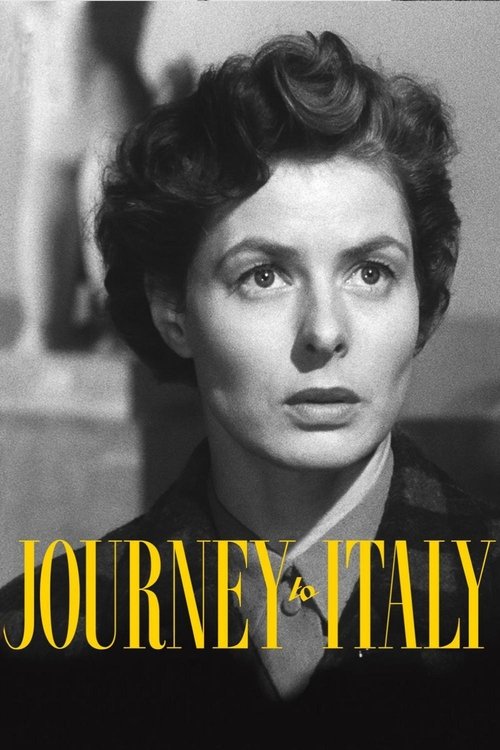
1954
NRDirector
Roberto Rossellini
Runtime
85 minutes
Average Rating
No ratings yetNew Showbiz Analysis
Rossellini’s work is a sophisticated study of human fragmentation that challenges mid-century cinematic expectations. It rejects the myth of the indestructible family unit, opting for a complex exploration of identity and social breakdown. While the film lacks contemporary demographic breadth, it succeeds in deconstructing traditional romantic clichés. It replaces narrative resolution with a focus on existential alienation and the dissolution of the domestic sphere. The film's value lies in its refusal to provide easy answers, instead presenting a postmodern look at the breakdown of personal hierarchies.
Category Breakdown
The film focuses on a marriage that assumes everyone is straight or cisgender. There are no characters with non-cisgender identities or queer subtext.
Katherine plays a significant role in driving the story with her intellect and emotions. Alex's character is shown through emotional drift rather than the typical stable provider archetype.
The story explores the tension between Anglo-American travelers and the local Italian population. It examines cultural displacement in post-war Italy through these interactions.
The narrative emphasizes secular, existential questions over religious fervor. It avoids romanticized cultural clichés, focusing on the real-life experiences of a society in transition.
The film does not focus on visible or invisible disabilities. The characters' struggles are mainly psychological and existential in nature.
Present on Screen
Limited or Absent
Official Synopsis
Married for eight years with no children, Brits Katherine and Alex Joyce are driving to Italy, their ultimate destination just outside of Naples to sell the villa they have just inherited from his uncle, the villa where they will be staying during their time there. On the drive, they come to the realization that this trip marks the first time that they have truly been alone together, and as such don't really know one another in the true sense.
1961
1956
1953
1952
1962

1951
1974
1958
No reviews yet. Be the first to share your thoughts on this movie!
Use the rating form above to leave a star rating and optional review.