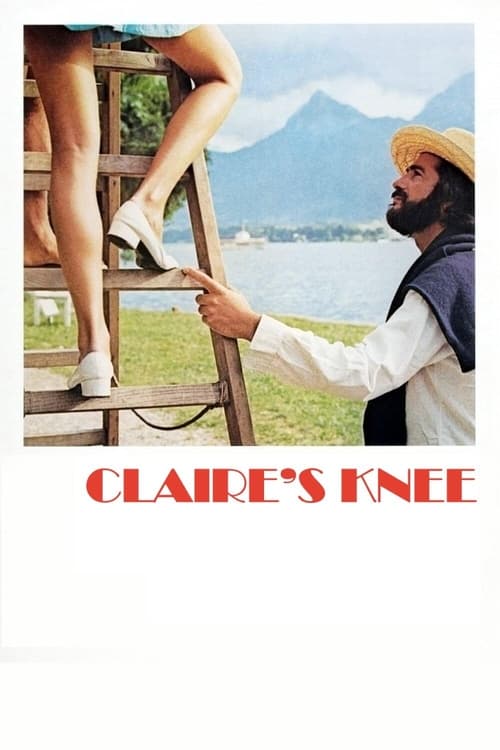
Claire's Knee
1970
No user ratings available yet
Representation score: 1.0 out of 10

Representation Score
Limited
1972
RDirector
Éric Rohmer
Runtime
97 minutes
Average Rating
No ratings yetNew Showbiz Analysis
Love in the Afternoon is a sophisticated character study that prioritizes intellectual discourse over traditional melodrama. It succeeds in deconstructing the stability of social institutions like marriage through a relativistic lens of human desire. However, the film is deeply inward-looking and culturally specific to a narrow demographic. It lacks demographic breadth, offering little representation of diverse racial, ethnic, or LGBTQ+ identities. Ultimately, the work functions as a philosophical inquiry into the instability of the self rather than a diverse social tapestry.
Category Breakdown
The film focuses entirely on heterosexual romantic tensions and monogamous commitment. There is no visible presence of LGBTQ+ identities or queer subtext.
While the perspective is male-centric, female characters like Chloe play a significant role in driving the story. They act as catalysts for moral crises and initiate seduction, challenging traditional gender hierarchies.
The cast is predominantly homogeneous, reflecting the specific socio-cultural milieu of 1970s Parisian bourgeoisie. There is no evidence of diverse casting.
The narrative excels in depicting moral relativism through secular, intellectualized inquiry. It treats moral dilemmas as subjective psychological experiences rather than spiritual or religious ones.
The film does not engage with themes of physical disability, neurodivergence, or chronic illness. These elements are absent from the character arcs.
Present on Screen
Limited or Absent
Official Synopsis
Successful Parisian lawyer Frédéric is happily married to schoolteacher Hélène. Though he daydreams of affairs with other women, he doesn't come close to acting on such thoughts until he runs into Chloé, a beautiful old acquaintance. Tempted by the vibrant Chloé, Frédéric is torn between impulsive lust and his love for Hélène.
1970

1964
1965
1945
1967

1988
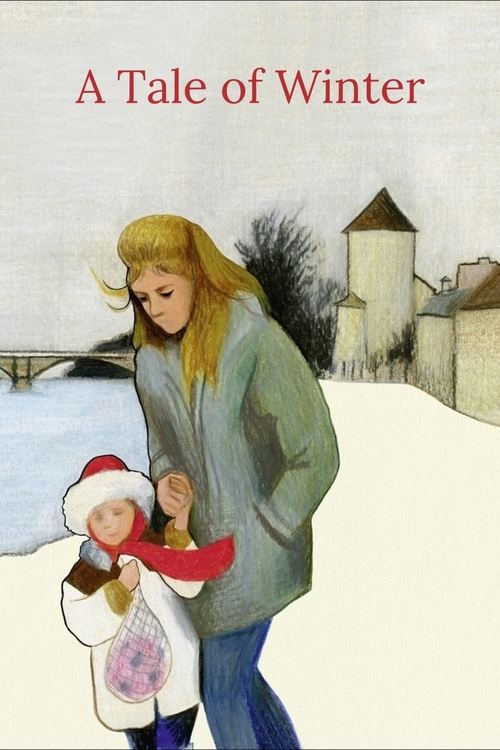
1992

1963
No reviews yet. Be the first to share your thoughts on this movie!
Use the rating form above to leave a star rating and optional review.