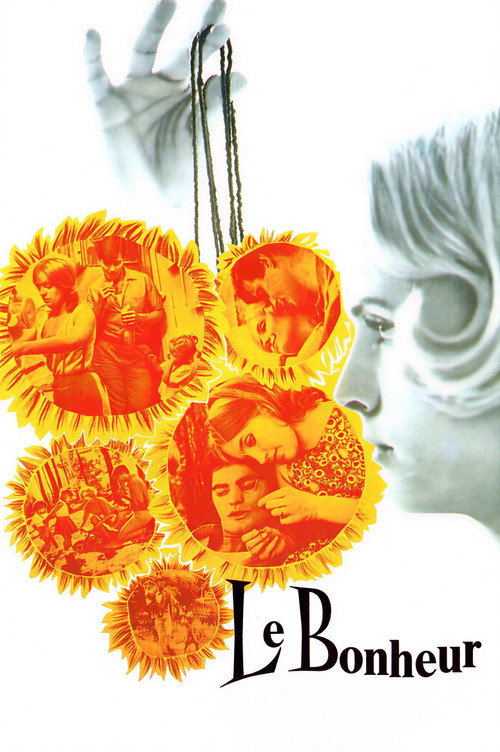
Happiness
1965
No user ratings available yet
Representation score: 6.0 out of 10
Representation Score
Good
1956
Not RatedDirector
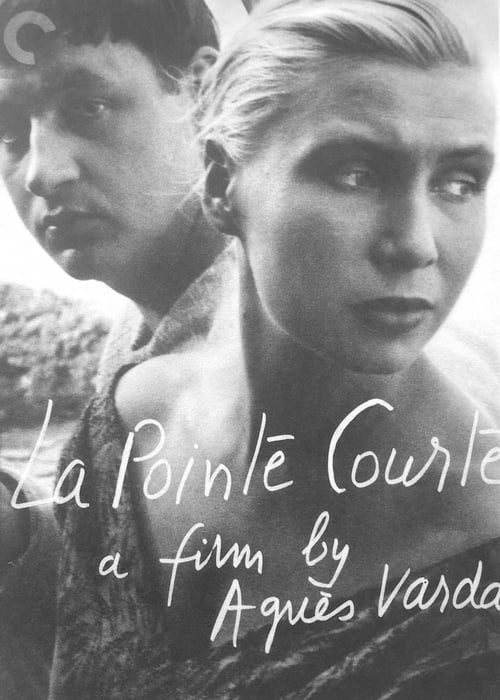
Agnès Varda
Runtime
80 minutes
Average Rating
No ratings yetNew Showbiz Analysis
Agnès Varda’s debut film challenges traditional cinematic expectations by blending documentary realism with fictional drama. This approach questions the authority of the objective lens. The film replaces romantic stability with a sophisticated exploration of relational and socioeconomic instability. Though the film does not explicitly address identity politics, its narrative structure prioritizes subjective experience and formal experimentation. The work critiques capitalist ease, favoring the gritty, materialist reality of a working-class community over idealized storytelling.
Category Breakdown
The film focuses on a traditional romantic relationship and does not include non-cisgender identities or narratives that challenge the assumption that everyone is straight or cisgender through queer perspectives.
The story breaks down traditional gender hierarchies by exploring the psychological perspective and ability to act of women, avoiding submissive stereotypes.
The movie is set in a Mediterranean fishing village in France. It does not feature diverse ethnic casting but captures the reality of the French working class.
The film critiques Western social stability by contrasting romance with the harsh realities of labor. It presents a complex, materialist view of socioeconomic structures.
There are no prominent depictions of physical or neurodivergent disabilities. The focus is on the psychological and existential states of the main characters.
Present on Screen
Limited or Absent
Official Synopsis
A penetrating study of a marriage on the rocks, set against the backdrop of a small Mediterranean fishing village. Both a stylized depiction of the complicated relationship between a married couple and a documentary-like look at the daily struggles of the inhabitants of Sète in the South of France.
1965
1961

1954

1951
1962

1966

1953

1964
No reviews yet. Be the first to share your thoughts on this movie!
Use the rating form above to leave a star rating and optional review.