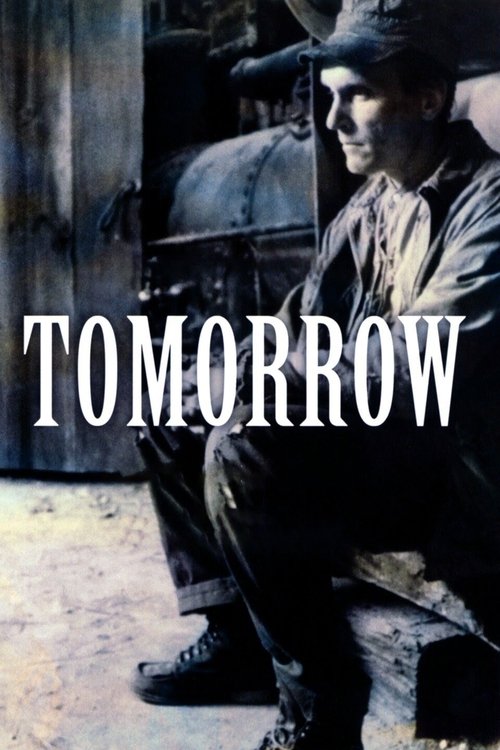
Tomorrow
1972
No user ratings available yet
Representation score: 1.1 out of 10
Representation Score
Fair
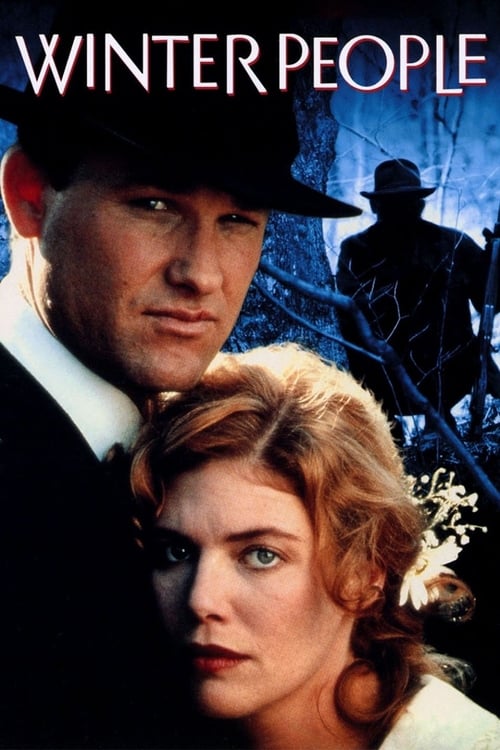
1989
PG-13Director
Ted Kotcheff
Runtime
110 minutes
Average Rating
No ratings yetNew Showbiz Analysis
Winter People presents a gritty character study of human resilience during the Great Depression. It dismantles romanticized myths of rural life by highlighting the systemic hardships faced by the Appalachian working class. However, the film lacks demographic diversity, focusing on a traditional romance and a predominantly white cast. It offers little in terms of LGBTQ+ or racial the way different parts of someone's identity overlap. The film prioritizes psychological realism and socioeconomic critique over progressive social representation, focusing on the complexities of non-traditional family units within a localized setting.
Category Breakdown
The film follows a traditional romantic arc between a widower and a single mother. There are no queer subtexts or non-straight identities explored.
Women navigate significant socioeconomic hardships, with Collie Wright showing ability to act as a single mother. However, the narrative remains tied to traditional domestic roles and social constraints of the time.
The story centers on a predominantly white working-class experience in 1934 North Carolina. While reflecting regional demographics, there is limited racial diversity or multi-layered breadth in the central character arcs.
The film challenges pioneer myths by focusing on poverty and social instability, emphasizing the grim realities of socioeconomic struggle over celebratory depictions of traditional institutions.
There are no characters with visible or invisible disabilities. The narrative does not include nuanced representations of neurodivergence or physical impairment.
Present on Screen
Limited or Absent
Official Synopsis
Wayland Jackson, a widower with a young daughter, moves to a small, impoverished mountain village in North Carolina, circa 1934. They are taken in by Collie Wright, a single mother with an illegitimate baby, and she and Wayland soon fall in love. Trouble starts when the identity of her baby's father is revealed.
1972
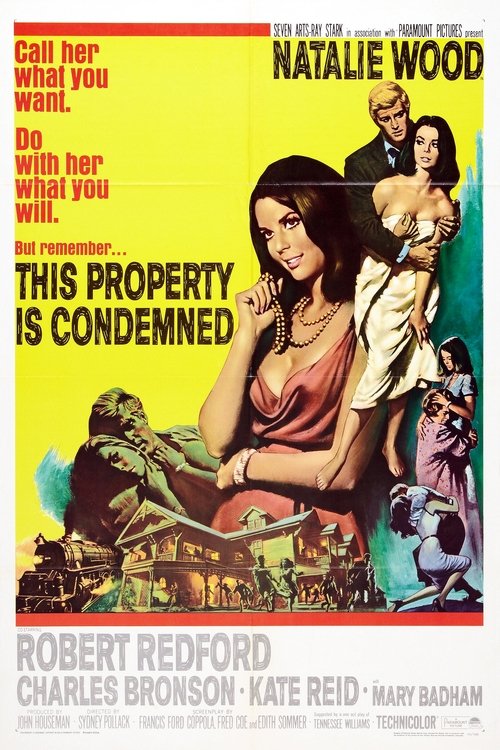
1966
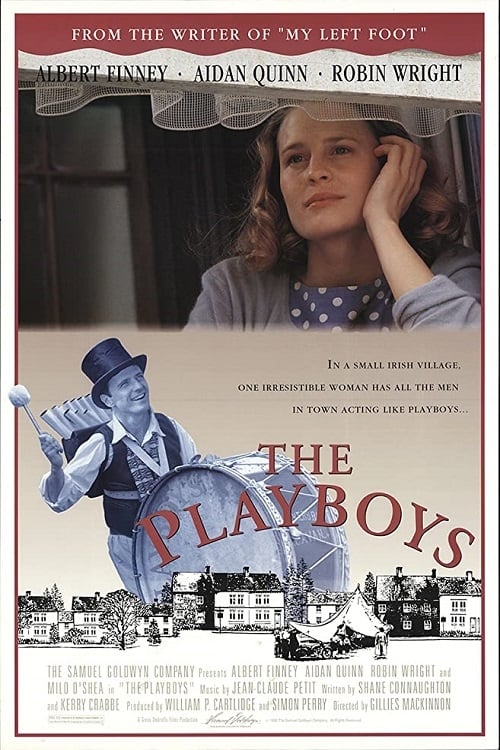
1992

1960
1961

1953
1988
1965
No reviews yet. Be the first to share your thoughts on this movie!
Use the rating form above to leave a star rating and optional review.