
Summer and Smoke
1961
No user ratings available yet
Representation score: 4.6 out of 10

Representation Score
Limited
1957
ApprovedDirector
Mark Robson
Runtime
157 minutes
Average Rating
No ratings yetNew Showbiz Analysis
Peyton Place serves as a mid-century drama that exposes the fragility of small-town social structures. Although it does not incorporate modern demographic diversity, it effectively challenges the rigid moral norms of its setting. The film's main strength lies in its focus on female protagonists who confront the tension between societal expectations and personal freedom. This shifts the narrative emphasis away from traditional male authority figures. However, the film remains constrained by the era's limitations, offering little racial, ethnic, or LGBTQ+ diversity. It primarily explores the dynamics within a white, straight-centered community.
Category Breakdown
The film does not include any LGBTQ+ characters or those with non-conforming gender identities. The story revolves around heterosexual relationships and the consequences of breaking social taboos.
The narrative emphasizes the roles of women such as Constance and Allison MacKenzie. It challenges traditional gender hierarchies by criticizing the hypocrisy of the town's male leaders.
The cast is predominantly white, reflecting the limitations of the time period. The story focuses on class divisions within a New England community.
The film questions the idealized image of the nuclear family and traditional religious practices. It depicts these institutions as superficial facades that hide repression and hypocrisy.
There is no depiction of physical, sensory, or neurodivergent disabilities in the narrative.
Present on Screen
Limited or Absent
Official Synopsis
In the outwardly respectable New England community of Peyton Place, shopkeeper Constance McKenzie tries to make up for a past indiscretion -- which resulted in her illegitimate daughter Allison -- by adopting a chaste, prudish attitude towards all things sexual. In spite of herself, Constance can't help but be attracted to handsome new teacher Michael Rossi. Meanwhile, the restless Allison, who'd like to be as footloose and fancy-free as the town's "fast girl" Betty Anderson, falls sincerely in love with mixed-up mama's boy Norman Page.
1961

1953

1961

1956

1965
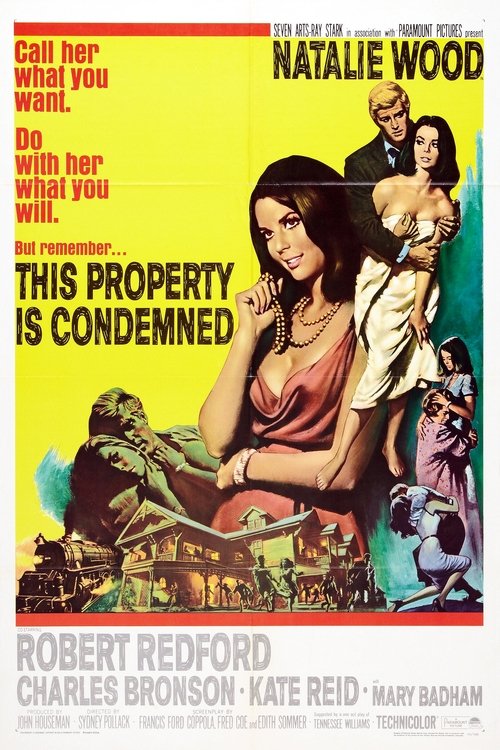
1966

1959

1969
No reviews yet. Be the first to share your thoughts on this movie!
Use the rating form above to leave a star rating and optional review.